
A new OAR/Climate Program Office (CPO) Report, summarizing key outcomes of the May 2015 NOAA Climate Reanalysis Task Force Technical Workshop held at the NOAA Center for Weather and Climate ...
A new OAR/Climate Program Office (CPO) Report, summarizing key outcomes of the May 2015 NOAA Climate Reanalysis Task Force Technical Workshop held at the NOAA Center for Weather and Climate ...
Researchers from NOAA have produced a new online dashboard on the National Marine Ecosystem Status website that shows how ocean acidification is impacting eleven different marine ecosystems in the United States.
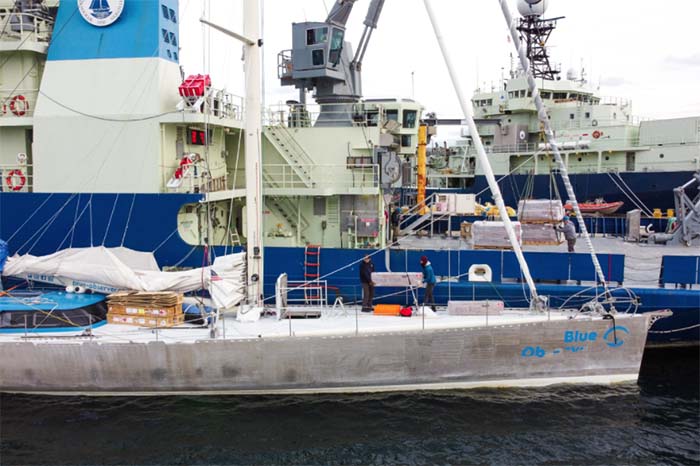
NOAA and partners have launched approximately 100 new Argo floats across the Atlantic Ocean to collect data that supports ocean, weather and climate research and prediction. These will bolster the international Argo Program, which maintains a global array of about 3,800 floats that measure pressure, temperature and salinity of the upper 1.2 miles of the ocean.

Methane ice, or methane hydrates, represent vast reserves of natural gas, which can play a part in global carbon cycling and climate change. Methane hydrates have eerie inhabitants, and a new paper describes the worms’ microbial diversity for the first time.
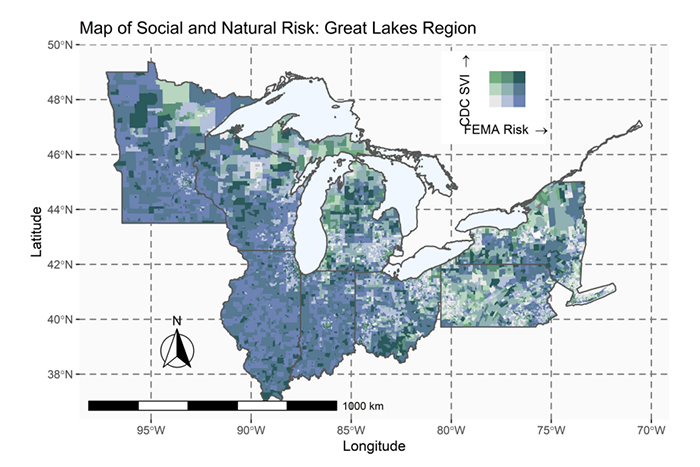
Great Lakes region's relatively low risk of climate hazards and abundant natural resources make it a possible destination for climate migration. New web tools facilitate planning for regional population growth.
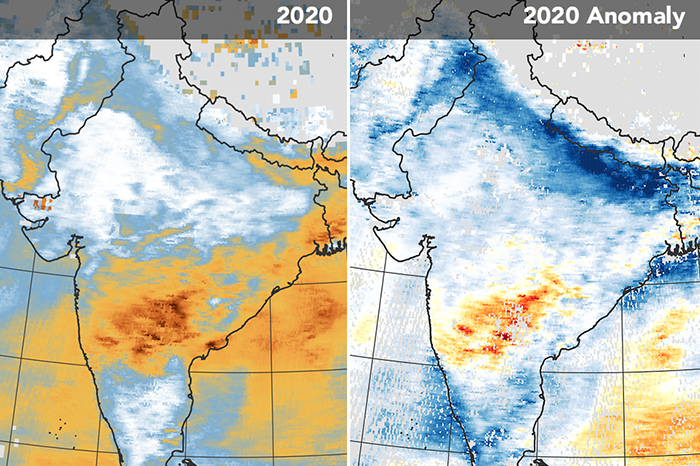
The COVID-19 pandemic gave scientists an accidental experiment opportunity to monitor and understand the atmospheric response to emission reductions. An international research team combined observations and modeling to assess possible changes.
All tornadoes -- whether small or large -- originate from thunderstorms, but not all thunderstorms are the same. Different environments and situations create forecasting challenges. For instance, ...
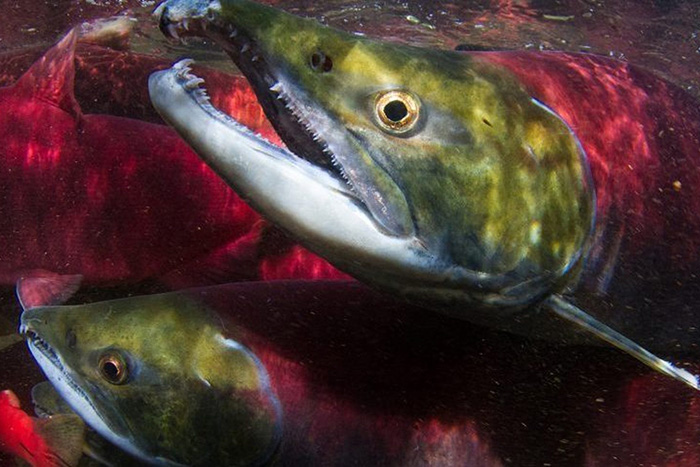
A newly available report, “Climate Adaptation Barriers and Needs Experienced by Northwest Coastal Tribes,” aims to better understand the state of climate adaptation among Northwest coastal Tribes.
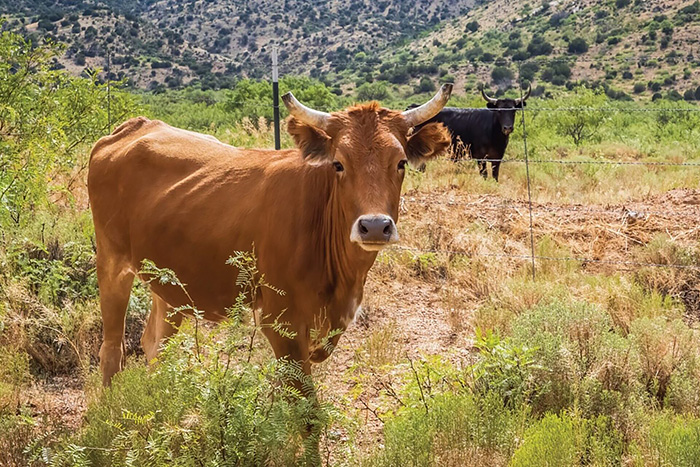
NOAA has released a new report on Southwest livestock producers’ experience with the Livestock Forage Disaster Plan.
Outdoor recreation is a major contributor to the Intermountain West’s economy, but the future viability of many businesses—particularly small businesses—in the industry is threatened by their ...