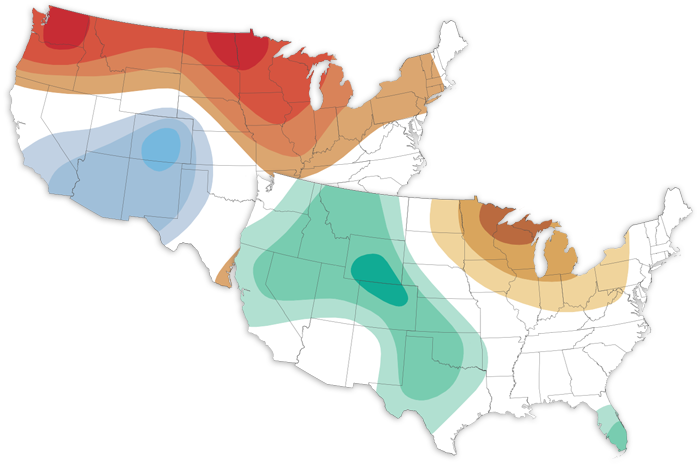
What are the odds? This post explains whether your corner of the U.S. is facing elevated odds of an unusually wet, dry, warm, or cool June.
What are the odds? This post explains whether your corner of the U.S. is facing elevated odds of an unusually wet, dry, warm, or cool June.
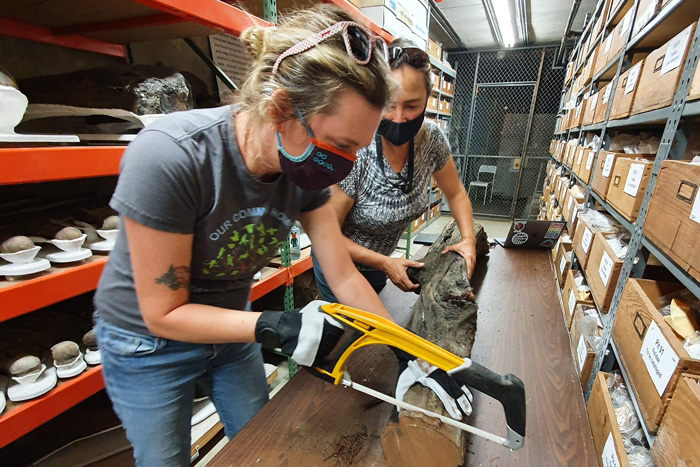
A desire for more caving adventures led this young scientist to paleoclimate science.
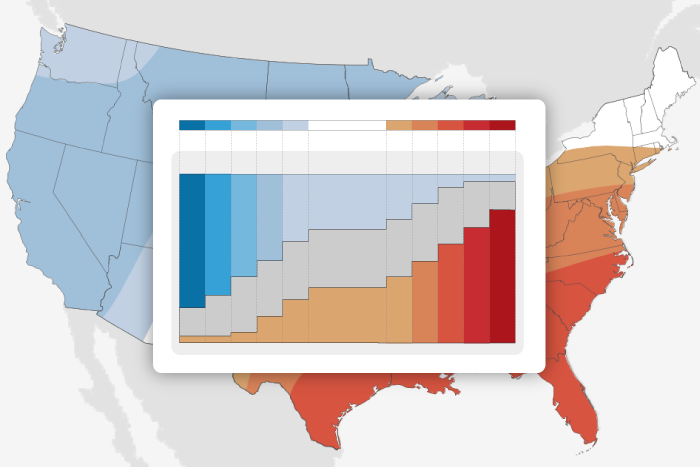
Climate outlooks are different from weather forecasts, and it's easy to misunderstand what the maps are telling us. Let us explain.
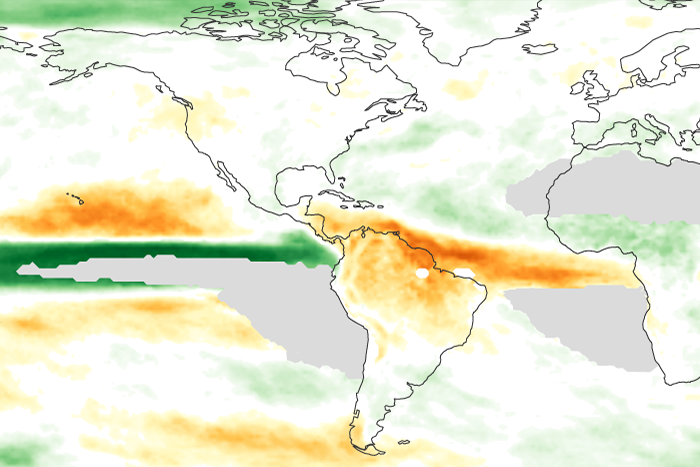
At the ENSO Blog, we often mention the North American Multi-Model Ensemble. Here's your formal introduction to the NMME!
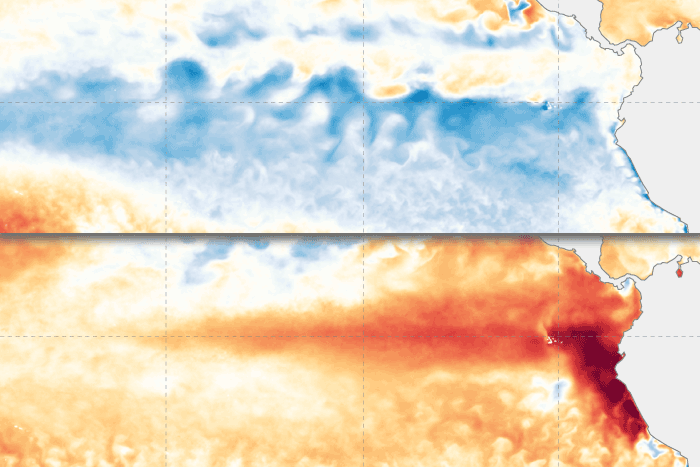
The warm phase of Earth's most powerful natural climate pattern appears to be on its way.
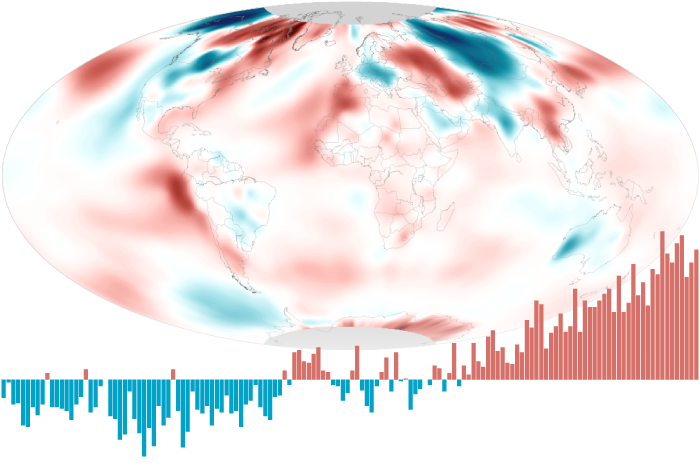
Globally, it was the fourth-warmest April on record, but for the oceans, it was record warm.
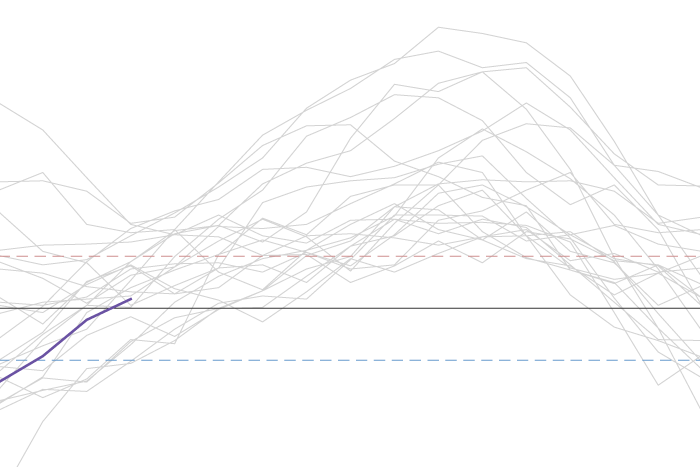
Things are heating up in the tropical Pacific! Our blogger explains how this might be a sign that El Niño is right around the corner.
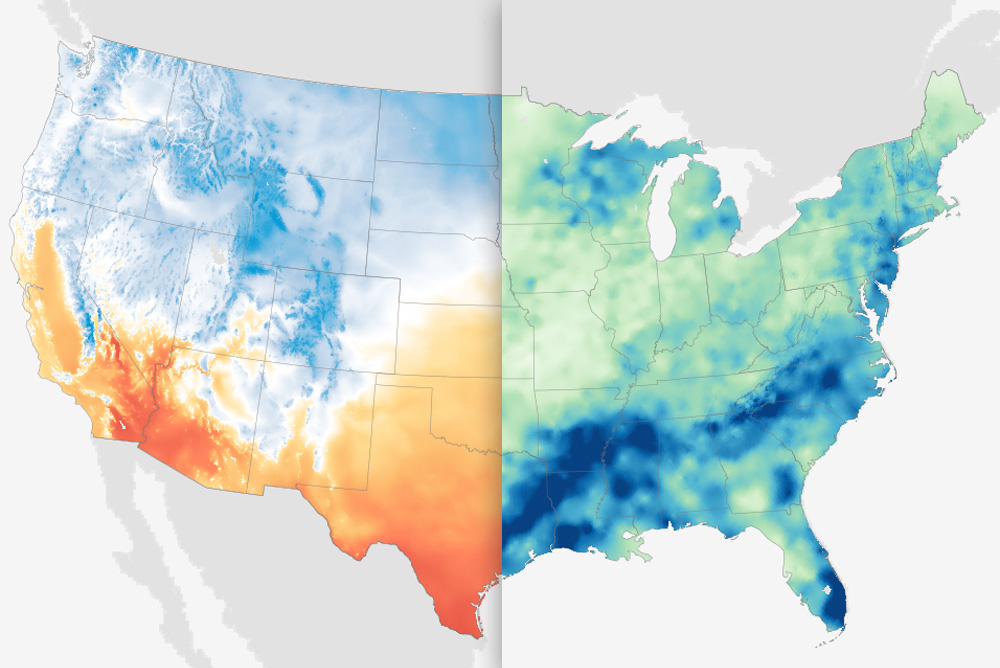
Monthly and year-to-date climate highlights from NOAA National Centers for Environmental Information.
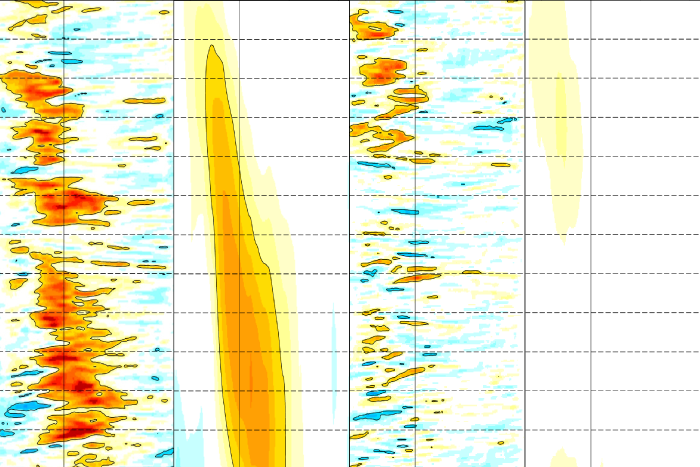
It’s springtime! Here’s why ENSO forecasters would rather skip the forecast even when a potentially significant El Niño appears to be developing.
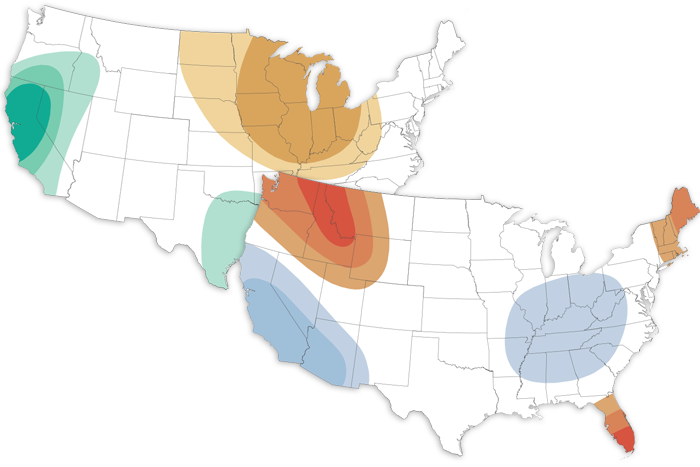
There's a 50-60 percent chance of a much warmer than average May in parts of the Pacific Northwest, and a 50-60 percent chance of a much wetter than average May in parts of California.