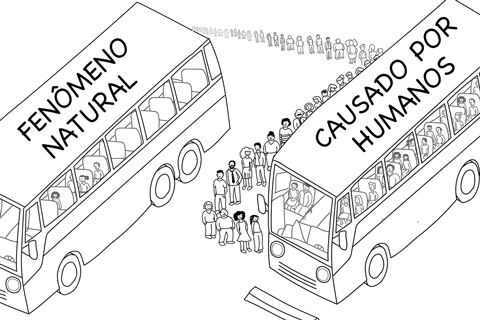
Por una gran mayoría, los científicos del clima están de acuerdo en que la temperatura global promedio hoy en día es más cálida que en la época preindustrial, y que la actividad humana es el principal factor contribuyente.
Por una gran mayoría, los científicos del clima están de acuerdo en que la temperatura global promedio hoy en día es más cálida que en la época preindustrial, y que la actividad humana es el principal factor contribuyente.
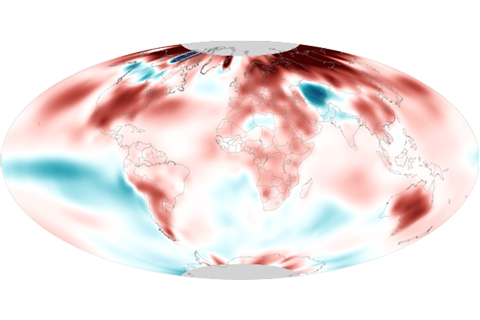
November 2020 was the second-warmest November on record, which increases 2020's chance of becoming the warmest year on record to over 50%.
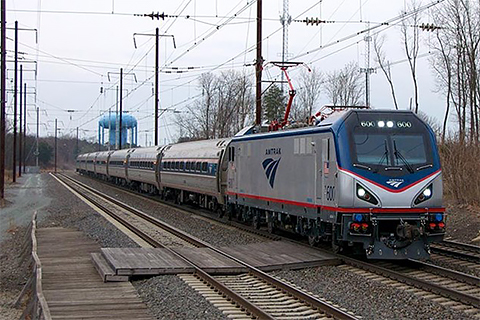
Hay un gran potencial para que las acciones colectivas de muchos individuos en todo el mundo reduzcan el calentamiento global mediante la realización de cambios en actividades diarias y anuales que producen gases y aerosoles que atrapan el calor.
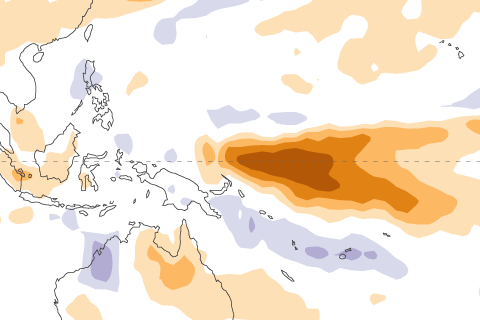
La Niña's here through winter, but chances for ENSO to transition to neutral by spring are rising.
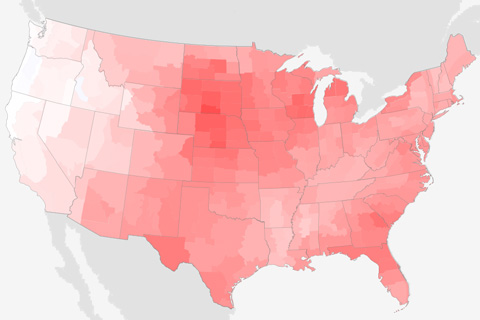
The contiguous United States was warmer than average virtually coast to coast in November 2020, and much of the country was also drier than average.
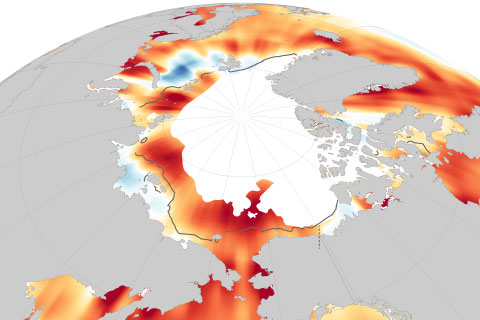
August sea surface temperatures in the Arctic are rising by as much as 1 degree Celsius (1.8 degrees Fahrenheit) per decade.
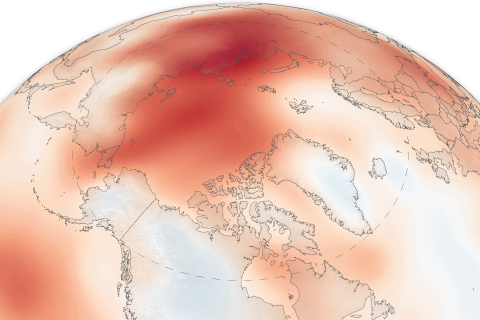
Despite a few cold spots, it was the the second-warmest year on record Arctic wide. Since 2000, Arctic temperatures have been more than twice as far above average as the planet as a whole.
The 15th installment of NOAA's Arctic Report Card NOAA's 15th Arctic Report Card catalogs the numerous ways that climate change continues to disrupt the polar region.
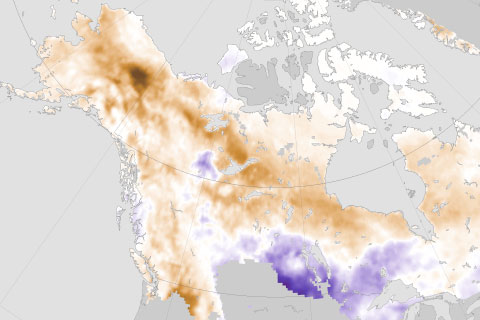
The taiga is becoming more flammable, increasing the risk for intense wildfires—some so intense they overwinter in deep ash pits and re-emerge the following spring.
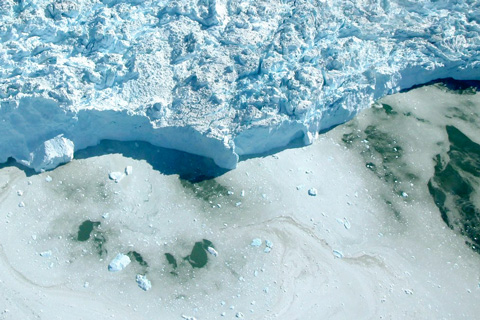
Between September 2019 and August 2020, the rate of ice loss from the Greenland Ice Sheet was much lower that the record set the previous 12-month period, but but still above the 2002–2020 average. Overall, Greenland continues to lose ice.