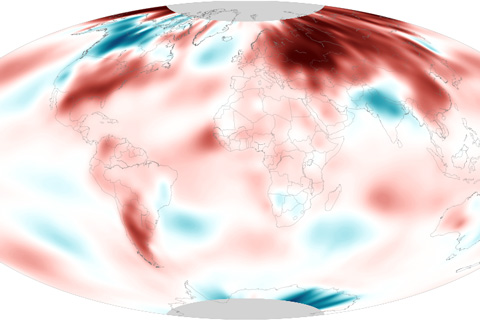
Global temperatures in March 2020 were the second warmest on record, helping to start spring off just as abnormally warm as winter ended.
Global temperatures in March 2020 were the second warmest on record, helping to start spring off just as abnormally warm as winter ended.
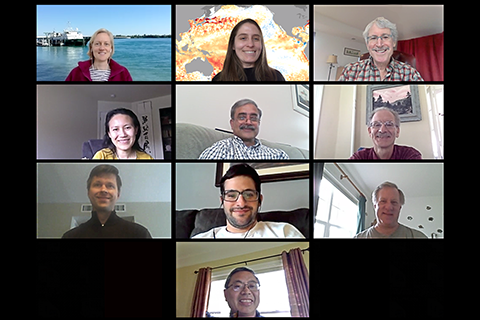
The ENSO team goes virtual in bringing you the latest outlook across the tropical Pacific Ocean.
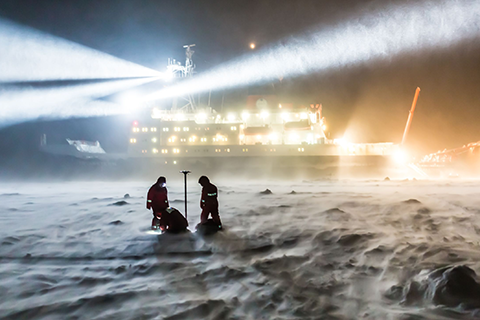
In 2015, NOAA's Climate Program Office (CPO) invited grant proposals from sea ice and climate scientists looking to better understand and predict Arctic sea ice behavior, on timescales ranging from days to decades. This is our second story on some of the resulting research.
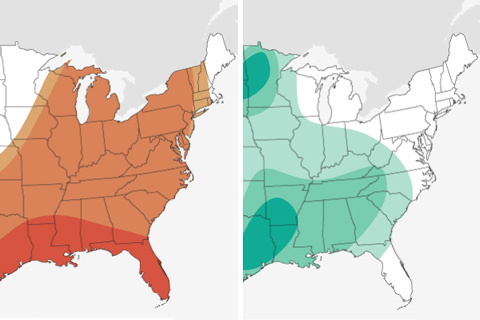
Much of the U.S. is favored to be warm and wet in April 2020, but cool conditions are more likely in the Pacific Northwest and Northern Rockies.
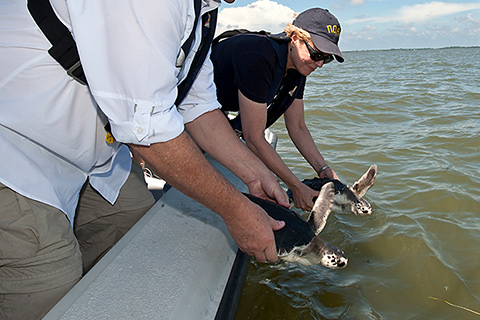
Former NOAA administrator Jane Lubchenco discusses her family's history of women in science, the importance of mentorship, her solution to achieving work-life balance, and how citizen science can help foster trust between scientists and stakeholders.
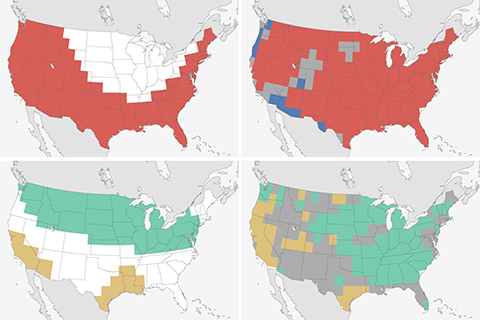
How did the 2019-20 Winter Outlook do? Pretty darn good if you ask us! Learn just how good in our yearly verification post.
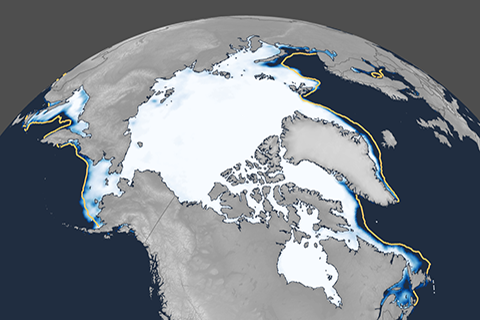
Arctic sea ice extent reached its apparent annual maximum on March 5, 2020. It was the 11th-lowest maximum in the 42-year satellite record. Though nowhere near a record low, it was well below the 1981–2010 average.
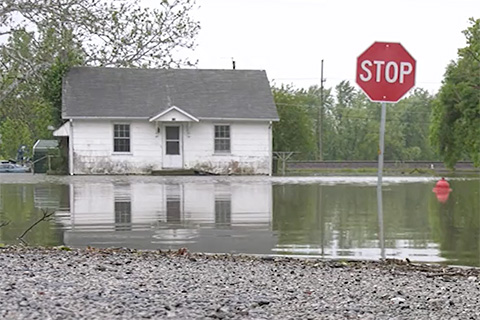
NOAA forecasts another year of widespread river flooding, and above-average temperatures are likely from coast to coast.
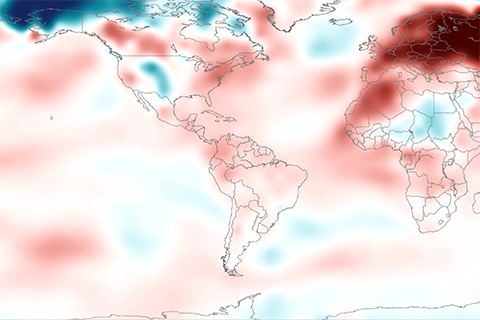
Cool conditions in Alaska and northern Canada related to a strong polar vortex were not enough to outweigh the extreme warmth across Europe and Asia in February 2020. Both the Northern Hemisphere and the globe as a whole had their second-warmest February on record.
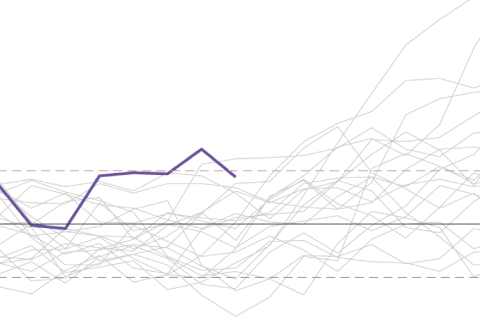
Our blogger discusses current conditions in the tropical Pacific and why forecasters favor ENSO-neutral through the summer.