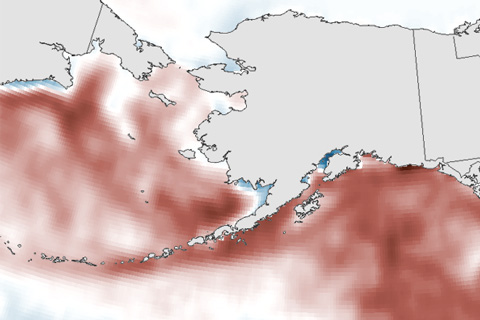
The extreme atmospheric pressure pattern that favored record-breaking snow totals across parts of the U.S. East left Alaskans asking, “Where’s winter?”
The extreme atmospheric pressure pattern that favored record-breaking snow totals across parts of the U.S. East left Alaskans asking, “Where’s winter?”
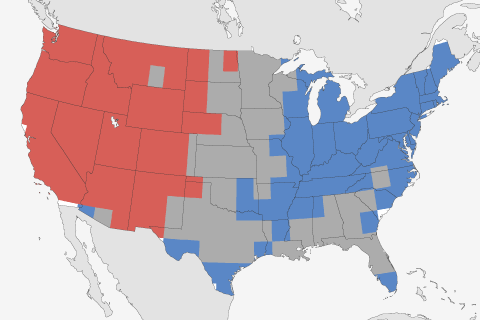
Mike Halpert from the Climate Prediction Center grades the winter forecast. Temperature outlooks fared quite well, but precipitation forecasts were not that great. The mediocre precipitation scores were partly because forecasts were counting on tropical atmospheric responses to El Niño, which didn’t emerge until late in the season.
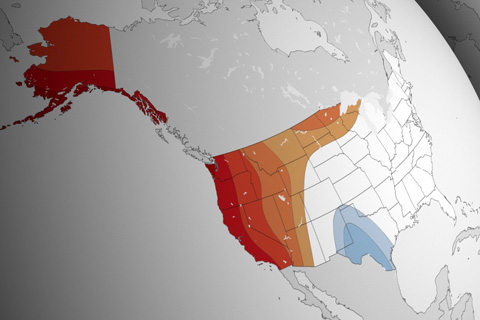
Moderate flooding in the coastal Northeast and temperatures in the upper third of the historical record for the West are key predictions from NOAA's 2015 Spring Climate Outlook.
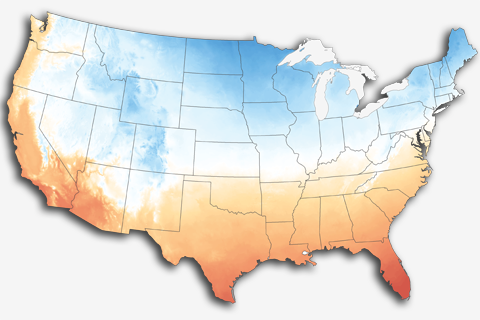
The United States has plenty of warming wiggle room before it gets too warm to snow, and a wetter atmosphere may boost snow totals for some storms.
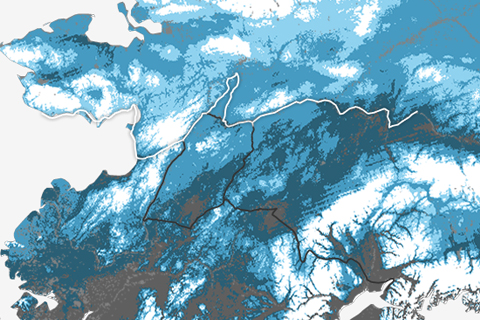
A map of snow depth across Alaska on March 9 shows the reason for the re-route of the historic sled dog race.
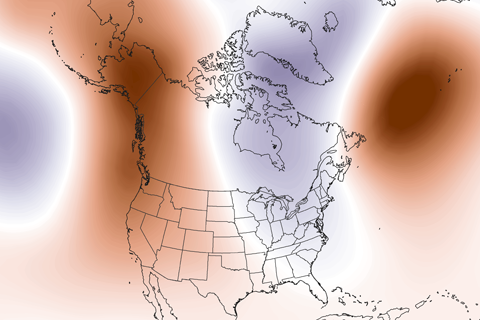
Guest blogger Dennis Hartmann makes the case that warm waters in the western tropical Pacific—part of the North Pacific Mode climate pattern—are behind the weird U.S. winter weather of the past two seasons.
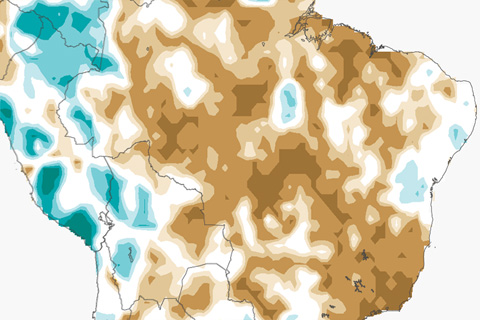
Government officials have already announced a potential water rationing program as well as expected blackouts to conserve electricity in case rains do not pick up. If they don’t, Brazil is almost certainly facing its driest back-to-back rainy seasons in at least 35 years.
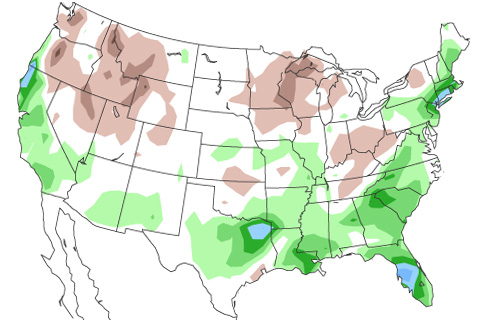
This pair of maps shows whether your state tends to have wet, dry, or average springs during El Niño, and how often the wet or dry pattern occurred during the last 10 El Niño years.
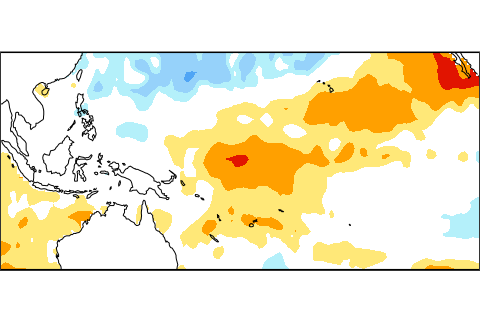
After a long watch, NOAA has issued an El Niño Advisory. What changed? And what does it mean for U.S. weather?
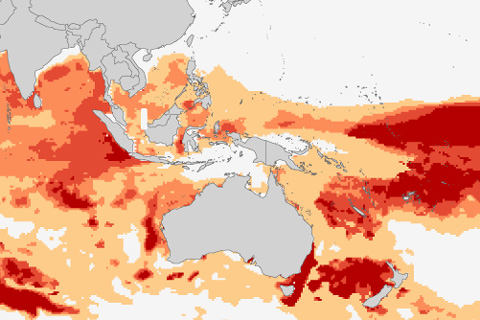
After a surprisingly rough summer for coral reefs in 2014, NOAA scientists are warning that warm ocean temperatures in the tropical Pacific and Indian Oceans could set the stage for a global outbreak of coral bleaching—the loss of corals’ food-producing algae—in 2015.