News & Features

NOAA will investigate persistent air pollution problems bedeviling the nation’s two largest Mountain West metro regions, Denver and Salt Lake City, in new research projects in July 2024.

A paper appearing as an early online release in the Journal of Climate documents research on sea ice to understand essential processes in the climate system and other ecological systems. Researchers…
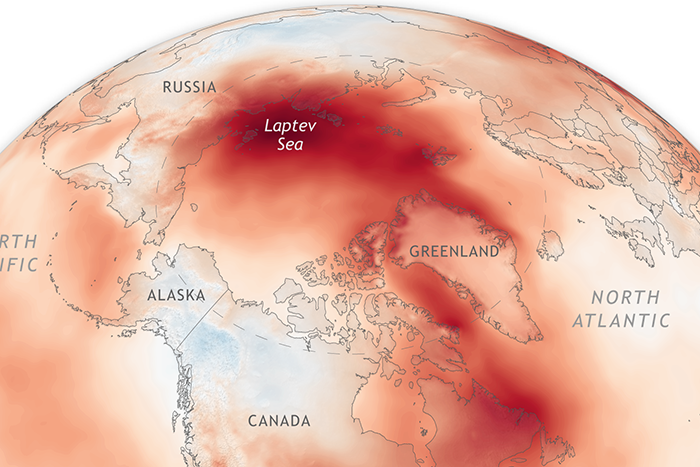
Although Arctic temperature trends have been attributed largely to greenhouse gas emissions, natural variability also plays a role. New research gives scientists a better understanding of the internal variability in the Arctic system.
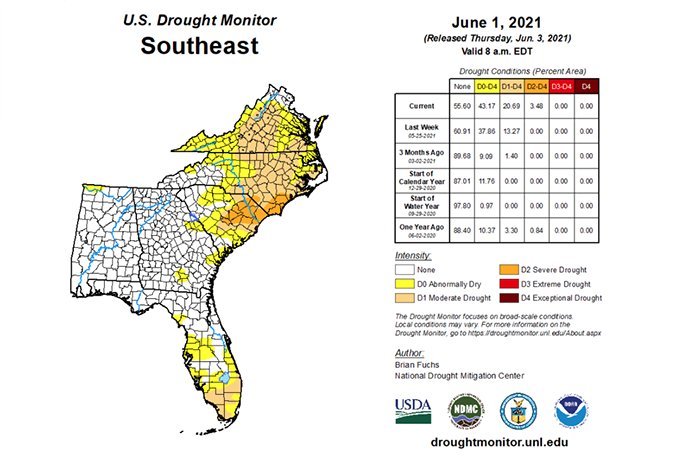
Drought can worsen ozone pollution in some parts of the United States. Although research uncovered no increase in ozone when drought conditions strike the U.S. West, it uncovered an increase in summertime ozone during drought in the Southeast.
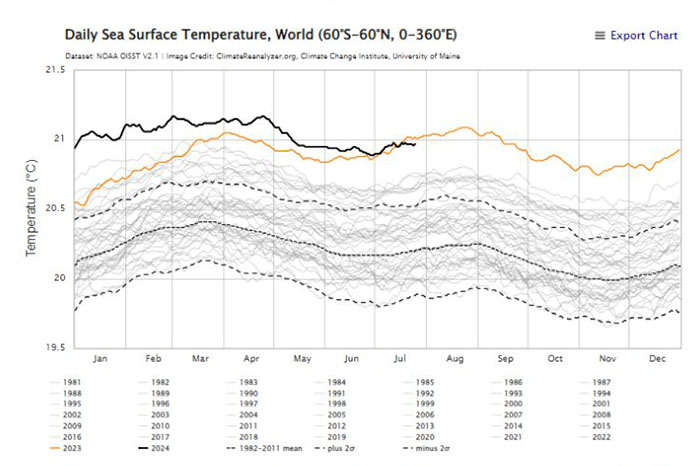
2023 was a record-breaking year. According to the Annual 2023 Global Climate Report, 2023 was the warmest year since global atmospheric temperature records began in 1850, at 1.18°C (2.12°F) above the 20th-century average of 13.9°C (57.0°F).
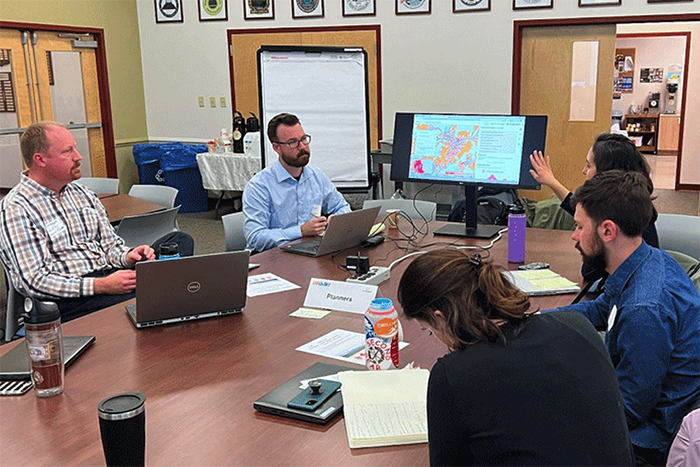
The Climate Smart Communities Initiative (CSCI) has announced its first round of awards, with more than $1 million, including funding and technical support to help communities accelerate climate resilience efforts.
In partnership with the National Marine Fisheries Service (NMFS) Office of Science and Technology, CPO's Coastal and Ocean Climate Applications (COCA) program competitively awarded seven grants ...
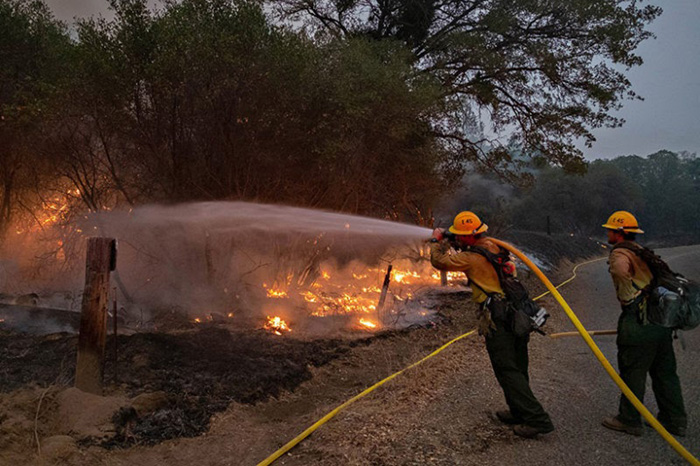
With wildfires in the western United States burning nearly 3.56 million hectares (8.8 million acres) in 2020, or about 75% more area than expected in an average year, it’s important to know how droughts, wildfires, and heat waves interact. How do they shape each other’s likelihoods, magnitudes, and impacts?