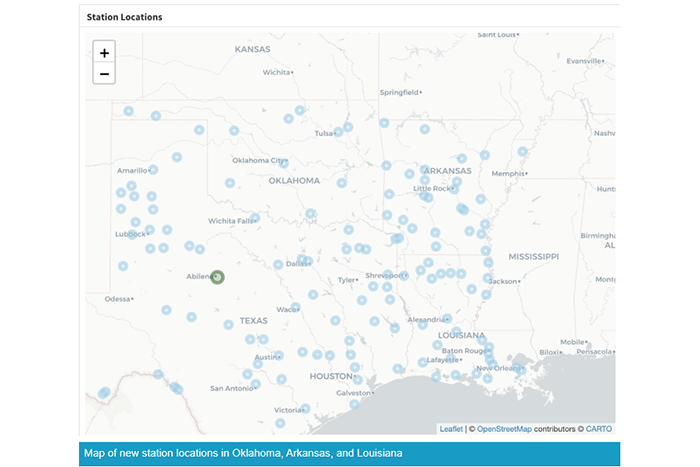
The Texas Temperature Trends Dashboard, has been renamed and updated to include weather stations in Arkansas, Louisiana, and Oklahoma. Anyone can access the dashboard through a web browser.
The Texas Temperature Trends Dashboard, has been renamed and updated to include weather stations in Arkansas, Louisiana, and Oklahoma. Anyone can access the dashboard through a web browser.
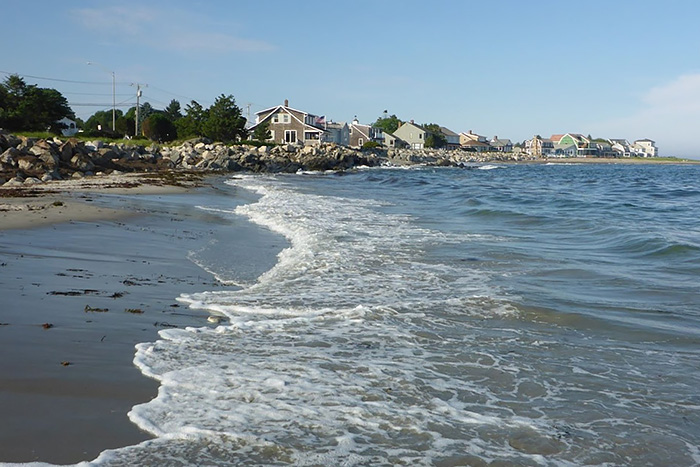
A researcher with the western Climate Adaptation Partnerships team California Nevada Adaptations Program has drawn on existing literature to develop 10 key tasks of communication amidst coastal relocation.
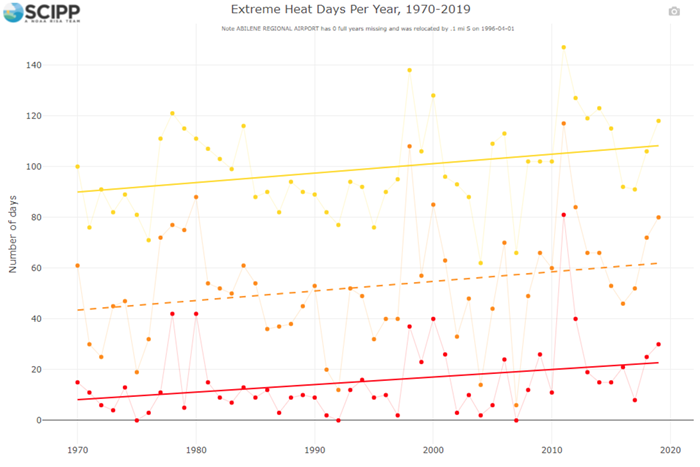
In May 2021, the Southern Climate Impacts Planning Program (SCIPP), a NOAA Regional Integrated Sciences and Assessments (RISA) team, in collaboration with Texas Sea Grant, released a new dashboard that shows historical trends in temperatures for locations across the state of Texas. The new dashboard offers location-specific information about changes in temperature in the last 50 years.
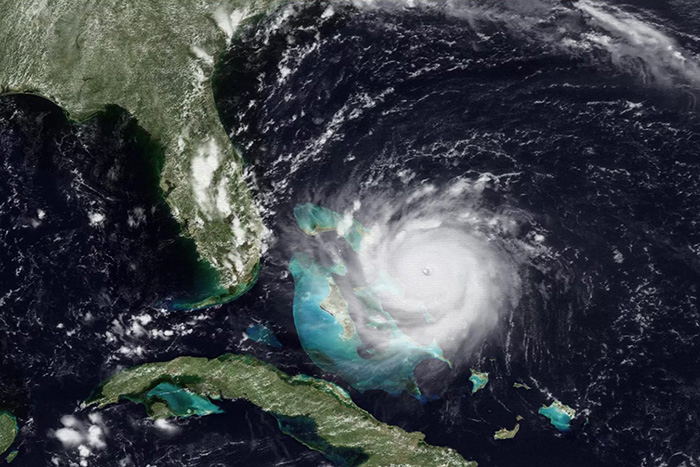
Hurricane Andrew made landfall near Homestead, Florida, on August 24, 1992. NOAA scientists recount the powerful hurricane and the progress in hurricane research over the last 30 years.
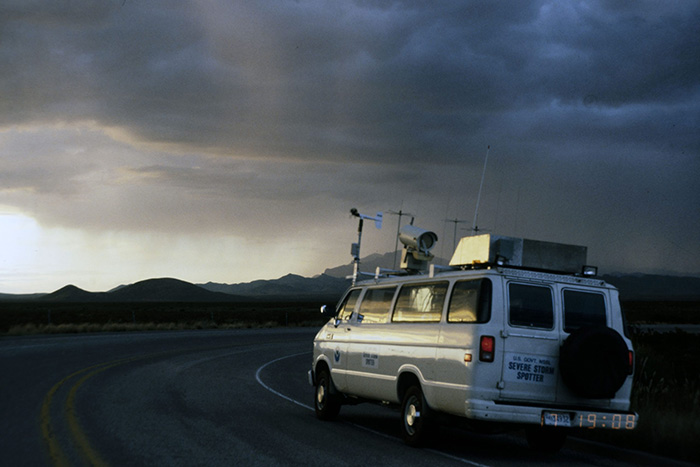
Many Americans have experienced some form of extreme weather in recent years. NOAA expertise enables everyone to have the knowledge and ability to be safer, healthier and proactively mitigate the worst impacts of extreme weather events.
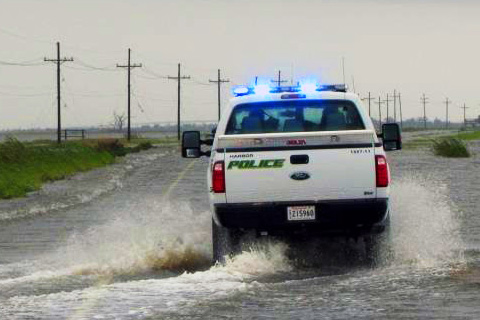
At the edge of southern Louisiana sits Port Fourchon—the hub through which 20 percent of our nation’s oil and gas supplies are distributed to the rest of the country. The only road leading to and from this major port is the Louisiana-1 Highway. A drive down the LA-1 through a vulnerable but vibrant coastal landscape shows what is at stake if ‘America’s longest main street’ fails to stay above water.
