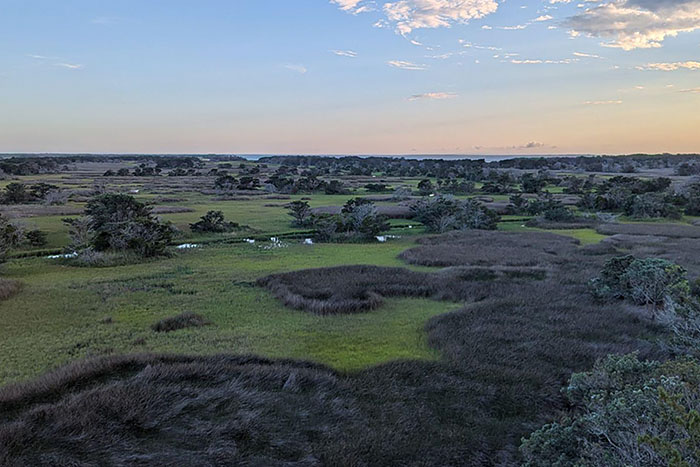
The NOAA Blue Carbon Inventory Project works with partner countries to advance the development of climate change mitigation, coastal wetland management, and resilience strategies that reflect the societal and climate value of coastal wetlands.
The NOAA Blue Carbon Inventory Project works with partner countries to advance the development of climate change mitigation, coastal wetland management, and resilience strategies that reflect the societal and climate value of coastal wetlands.
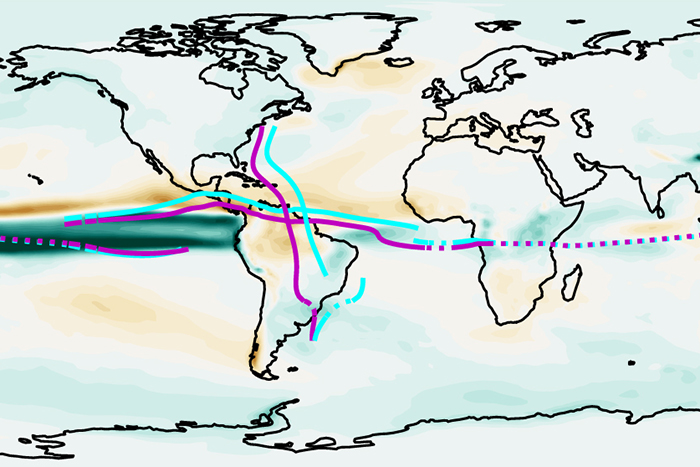
In some places, small shifts in tropical precipitation patterns can mean the difference between drought or excess rain, and can alter larger atmospheric patterns. How will tropical preciptation change in a warming climate?
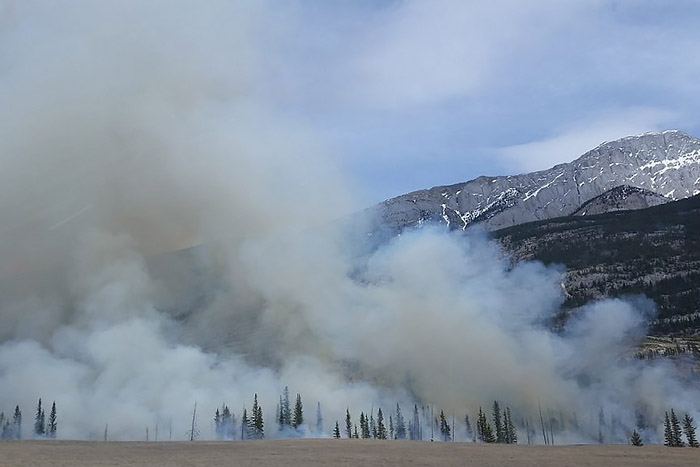
A new study examines organic aerosols emitted from wildfires and how they impact surrounding regions. It is part of an effort to use FIREX-AQ data to support better land management to help prevent wildfires from occurring.
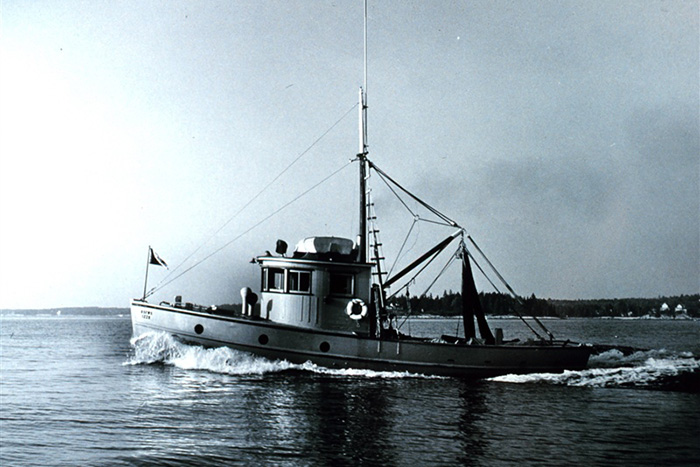
Modelers are working to better understand climate drivers of ecosystem uncertainties in Earth system models used in fishery management.
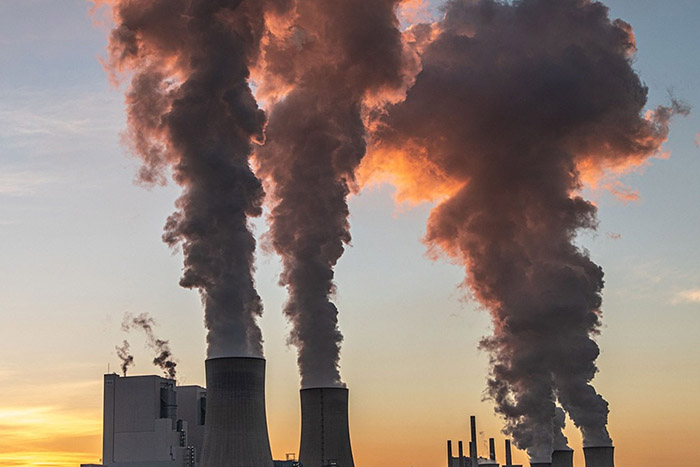
The Climate Program Office’s Atmospheric Chemistry, Carbon Cycle and Climate (AC4) Program funded new research to find a better way to track sulfur and nitrogen compound emissions (SOx and NOx) in the United States.
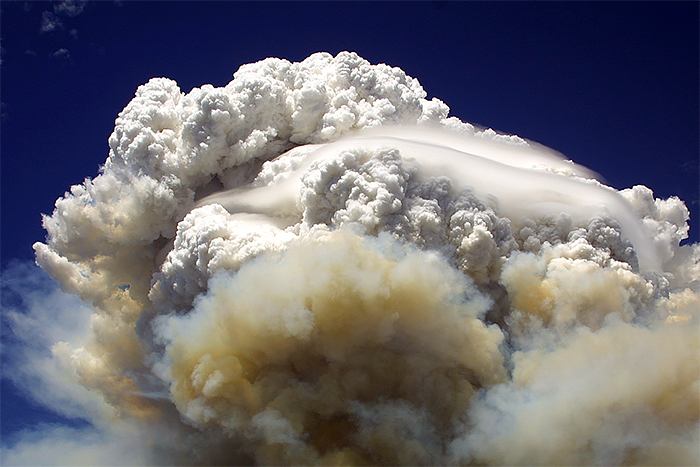
Black carbon, or soot, affects climate as well as human health. A new study shows the results of using machine learning to to improve black carbon prediction and ultimately replace traditional models for predicting black carbon.

Findings of a CPO-supported study published in the Journal of Advances in Modeling Earth Systems suggest researchers' ability to use the Madden-Julian Oscillation (MJO) for medium-range weather ...
The U.S. Global Change Research Program (USGCRP) has released a pilot set of 14 climate change indicators. These indicators visually communicate some of the key aspects and effects of the changing …
Key Findings The slow progress towards improving ozone air quality in Europe can be partly explained by declining rates of ozone removal by water-stressed vegetation in response to climate warming…
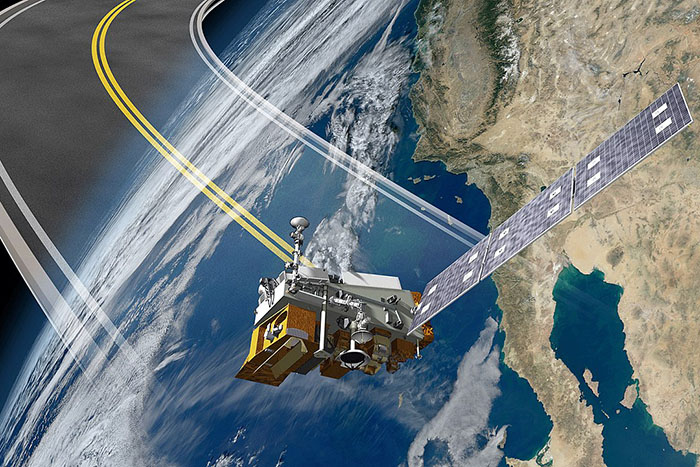
Formaldehyde, an atmospheric trace gas, results from oxidation reactions involving harmful compounds from transportation, industry, and organic solvents. Formaldehyde is also a carcinogen. Satellites have tracked this gas since the 1990s, but how accurate are the newer satellites?