
It's the start of meteorological spring, and warmer-than-average temperatures are favored for the central/eastern United States, while the precipitation outlook is more variable.
It's the start of meteorological spring, and warmer-than-average temperatures are favored for the central/eastern United States, while the precipitation outlook is more variable.

There’s more than just ENSO in the tropical climate neighborhood. Our blogger discusses an Indian Ocean climate pattern that had an important impact on Australia’s catastrophic 2019 bushfire season.

The surface of the tropical Pacific has been warmer than average for a few months now, but ENSO-neutral conditions are still in place. Our blogger takes a journey into the mind of an ENSO forecaster. It’s her own mind, but that still counts.
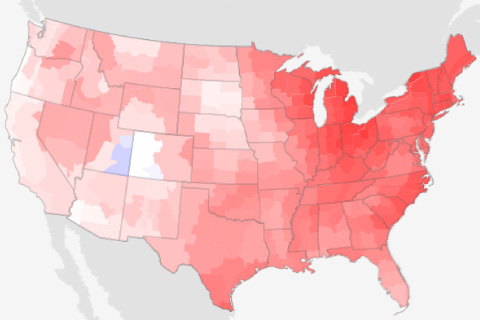
Although exact temperatures varied by latitude and elevation, January 2020 temperatures were above average for nearly every U.S. climate division of the Lower 48 states.

Across a wide swath of the United States from the Gulf Coast to the Mid-Atlantic, February is more likely to be above average than below average in terms of both temperature and precipitation.

Climate.gov talks with scientific scuba diver and marine scientist Danielle Claar, an early career scientist with a passion for everything ocean—from tide pools to coral reefs.
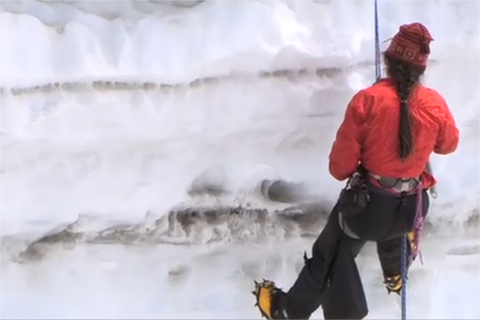
No. By a large majority, climate scientists agree that average global temperature today is warmer than in pre-industrial times, and that human activity is the primary contributing factor.
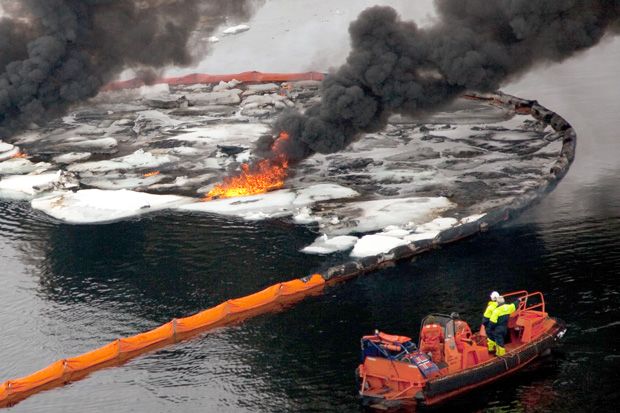
A new crop of studies funded by NOAA's Climate Program Office explores a range of questions about sea ice forecasting, including one of the most basic: how far ahead is it even possible to predict it?
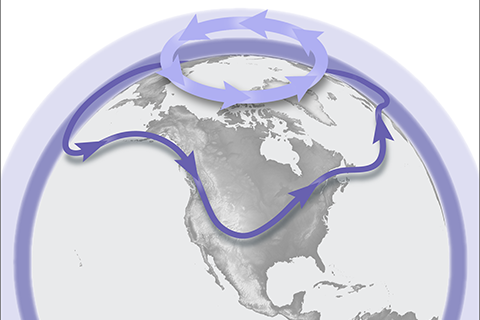
Kidding. Here's why the polar vortex may also cause you to take off your sweater sometimes.
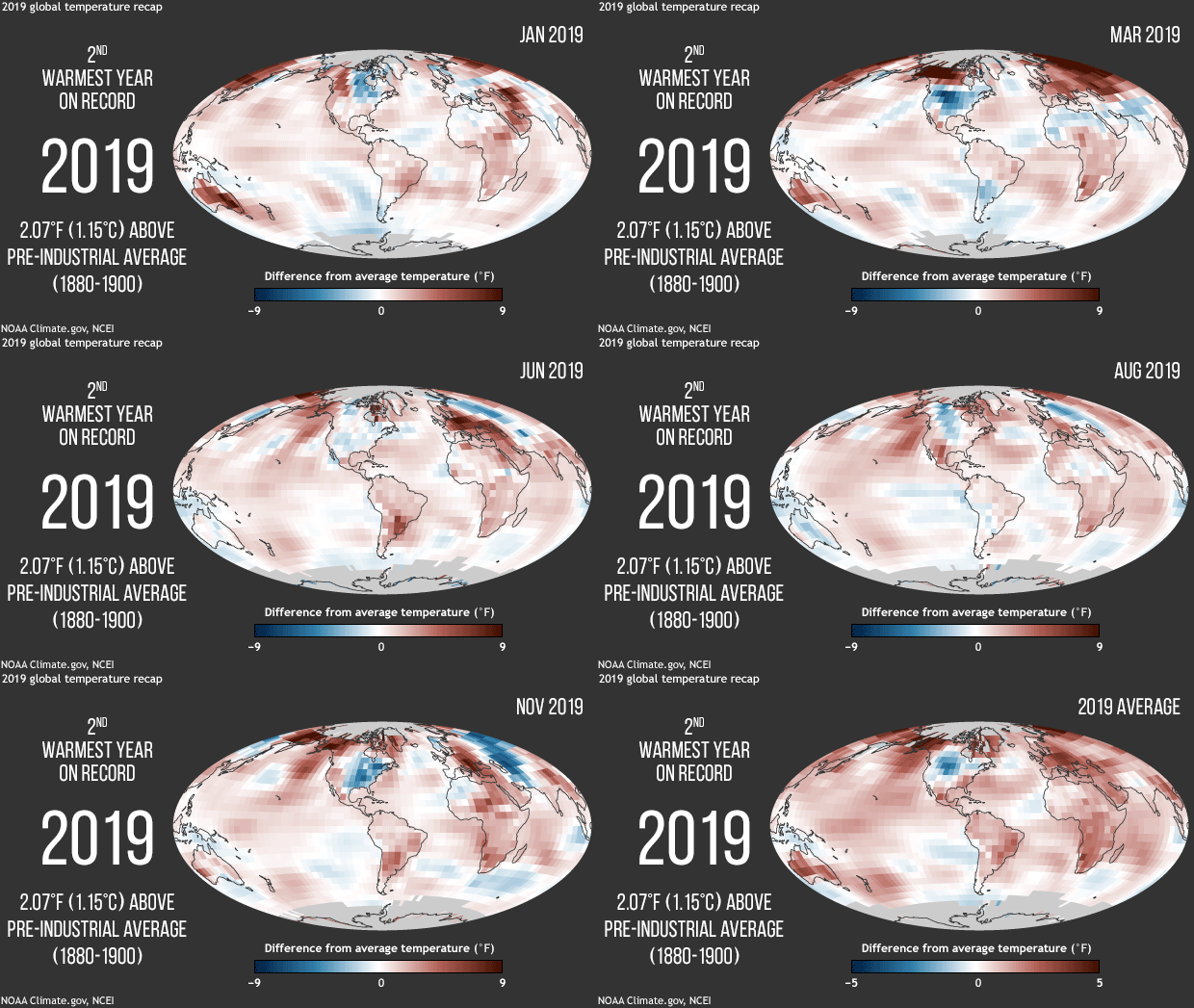
NOAA, NASA scientists confirm Earth’s long-term warming trend continues. The average surface temperature was more than 2 degrees (F) above pre-industrial conditions.