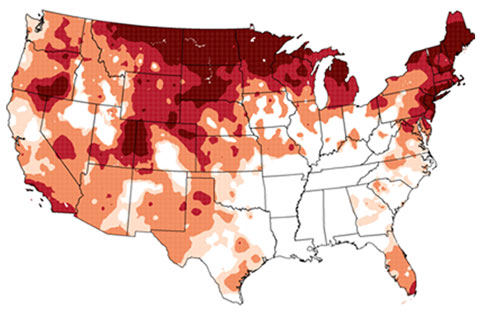
If the recent weather whiplash has left you wondering how U.S. winters are changing over time, NOAA climate maps tell the story.
If the recent weather whiplash has left you wondering how U.S. winters are changing over time, NOAA climate maps tell the story.
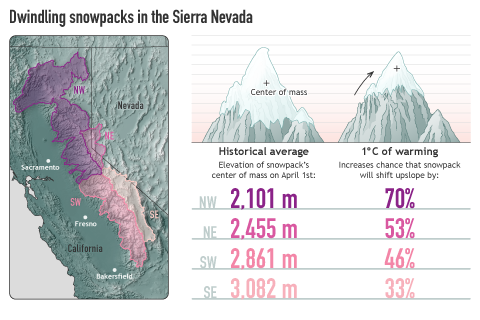
A 1°C (1.8°F) increase in average winter air temperature will have a significant impact on Sierra Nevada snowpack, but different parts of the mountain range will respond differently.
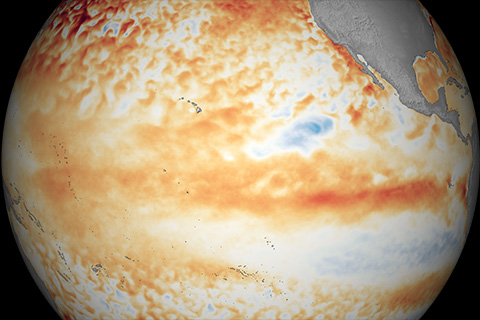
The tropical Pacific Ocean is sending out signals, but the atmosphere has yet to respond. Our blogger gives you the scoop.
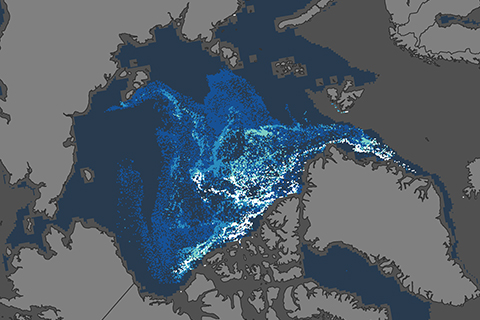
Unlike the rest of us, Arctic sea ice is younger and thinner than it was in the mid-1980s.
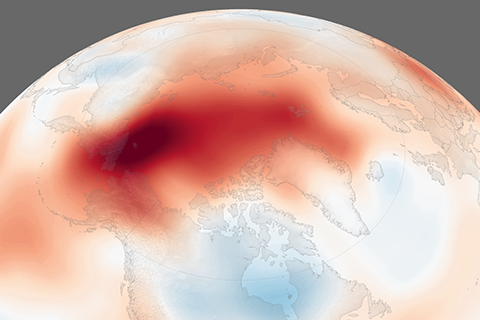
September 2018 was the second-highest on record, and all five years since 2014 have been warmer than any prior records.
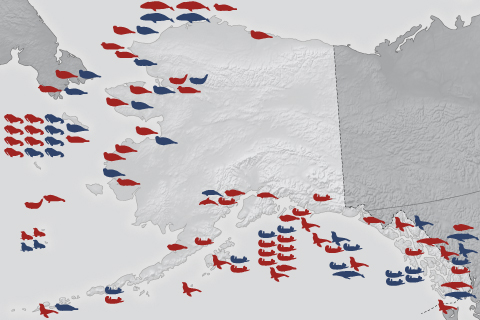
As oceans warm, harmful algal blooms move northward into regions where populations have little or no prior exposure.
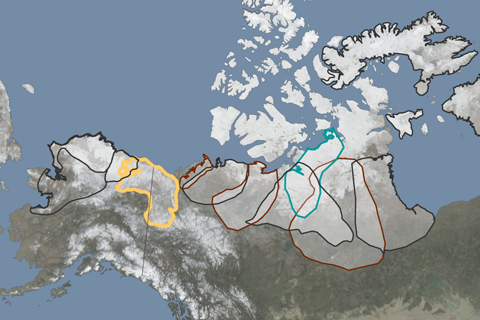
Reindeer and caribou abundance has declined 56 percent over the past two decades.
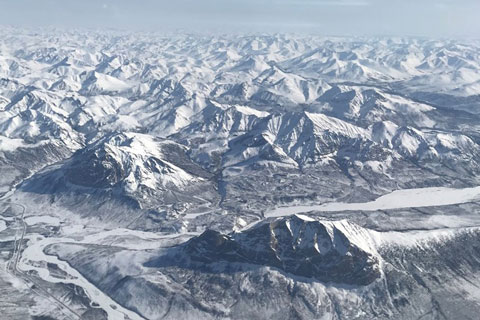
From declining reindeer populations to a younger, thinner ice pack, here are four image-based stories from the 2018 Arctic Report Card.
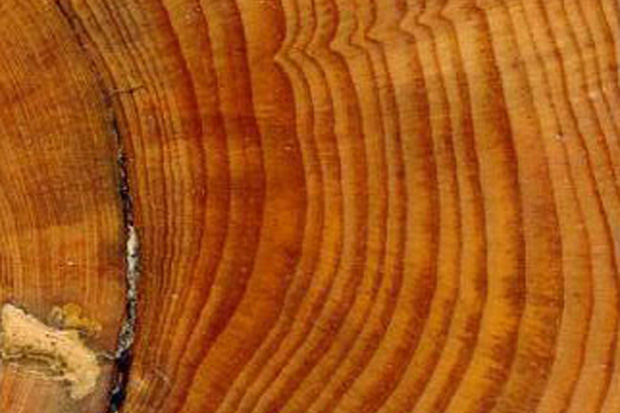
Tree rings can reveal the age of wood used to make human artifacts from famous violins to the cliff ruins of Mesa Verde, and also tell us about the climate conditions that prevailed when those trees were alive.
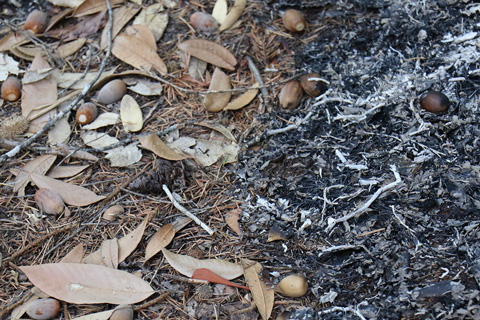
Members of the Karuk Tribe in northern California maintain that the age-old tradition of prescribed burning holds the answer to climate adaptation planning in the Klamath River range.