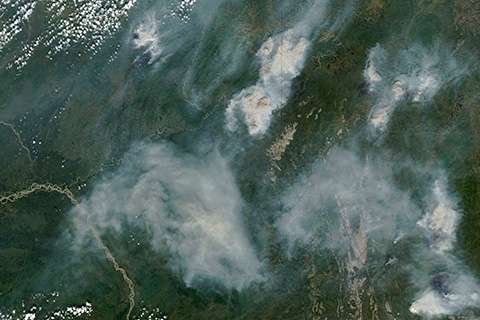
In a sidebar to the State of the Climate in 2017 report, experts describe how human-caused climate change is leading to longer, more damaging fire seasons in the evergreen-dominated boreal forests of Alaska, Canada, and Eurasia.
In a sidebar to the State of the Climate in 2017 report, experts describe how human-caused climate change is leading to longer, more damaging fire seasons in the evergreen-dominated boreal forests of Alaska, Canada, and Eurasia.
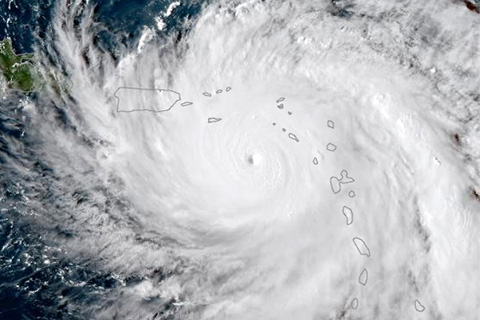
The State of the Climate in 2017 report includes a summary of the devastation in Puerto Rico from Hurricane María, describing damage so widespread and severe that thousands of residents of the Caribbean island moved to the U.S. mainland in the aftermath.
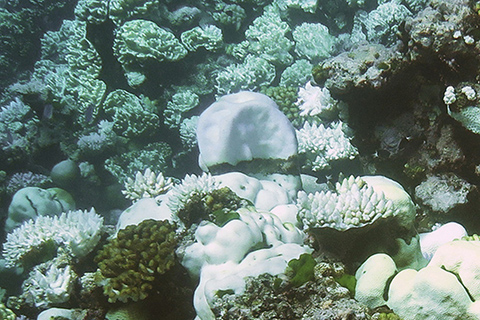
As part of the State of the Climate in 2017 report, experts describe a record three-year-long episode of mass coral bleaching at tropical reefs worldwide. Previous global bleaching events required the presence of El Niño, but the devastating 2014–2017 event began before El Niño emerged and continued long after it ended—implicating human-caused global warming in the mass die offs.
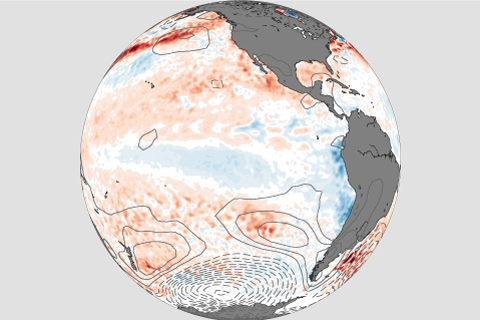
Wondering how strong any potential El Niño might be this winter? Maybe you should look to the South Pacific for clues.
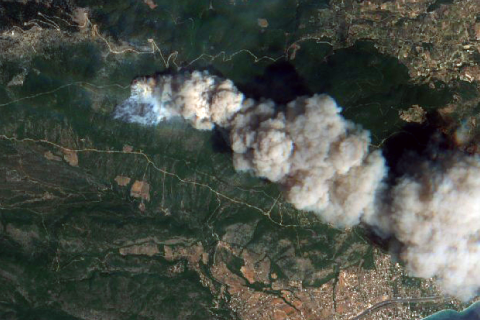
Strong winds whipped wildfires into a frenzy near Athens, Greece, during the end of July, leading to one of the worst wildfire tragedies in the country's history.
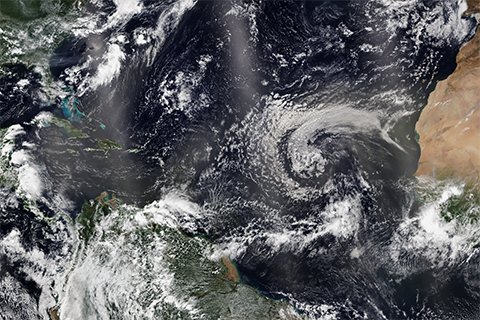
Dust from the Saharan desert blew thousands of miles across the tropical Atlantic reducing visibility and air quality.
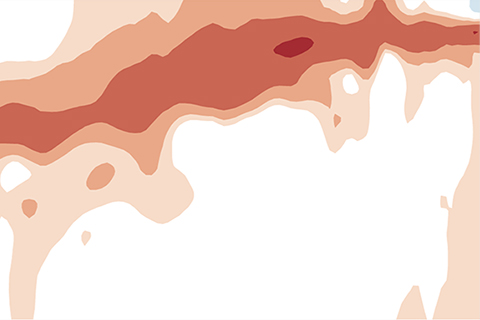
Odds for El Niño continue to grow. Our blogger discusses the forecast and its implications.
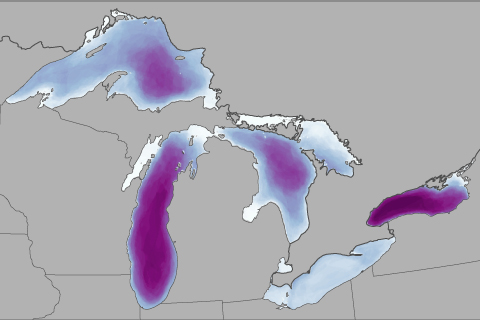
Ice cover on the Great Lakes has been decreasing since the 1970s, affecting everything from fishing to shipping.
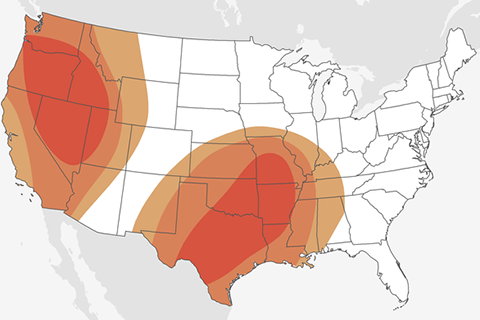
The NOAA Climate Prediction Center began issuing Week 3-4 Temperature and Precipitation Outlooks in May of 2017. Our blogger discusses the challenges and successes that led to this development.
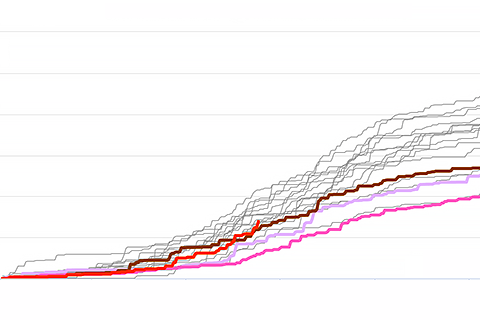
Capetonians will have tap water until sometime in 2019, thanks to a combination of water conservation and weather.