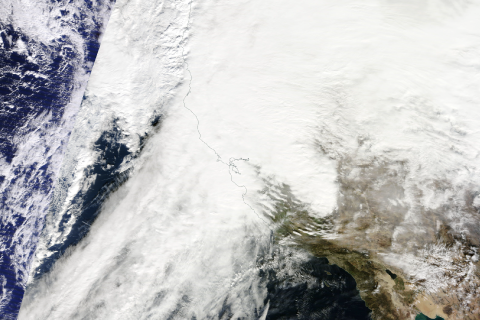
Tremendous rain and snow batter California during the month of January.
Tremendous rain and snow batter California during the month of January.
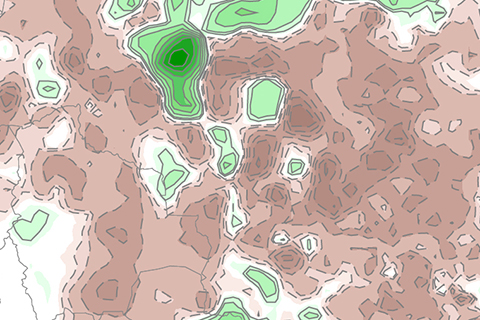
Ángel Muñoz, a climate scientist at NOAA's Geophysical Fluid Dynamics Laboratory, explains what can happen when the influence of ENSO combines with the influences of other climate phenomena.
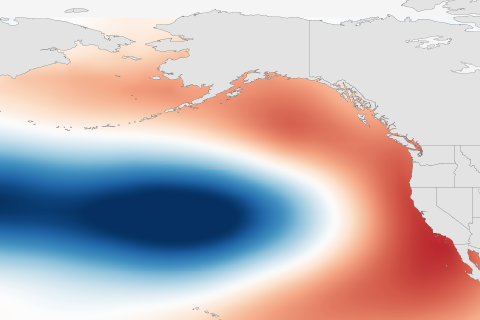
New research links warm ocean conditions in the North Pacific to the elevated levels of a natural toxin in shellfish along the U.S. West Coast.
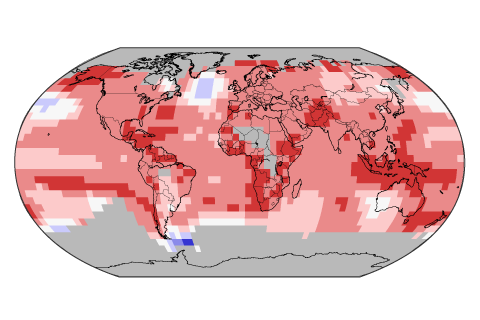
In 2016, the annual global temperature reached a record high for the third year in a row. How did this happen, and how unusual is it?
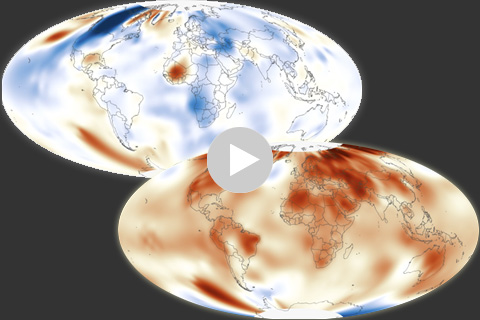
2016 was the third year in a row that global average surface temperature set a new record, and the fifth time the record has been broken since the start of the twenty-first century. This animation shows the yearly history of Earth's temperature since the modern record began in 1880.
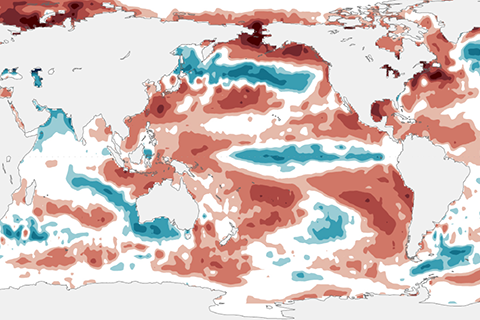
La Niña conditions are still in place, but a transition to neutral is looming. Our blogger takes stock of the season.
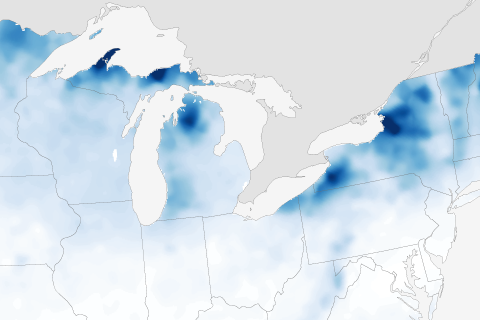
Lake effect snows like the events that buried parts of Michigan and New York in mid-December might actually become more common as the U.S. climate warms, at least for a while. This post explains the paradox.
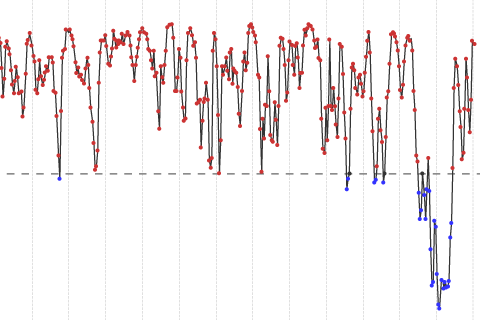
In 2016, daily temperatures in Alaska that were warmer than average outnumbered those that were cooler than average by a 9 to 1 ratio.
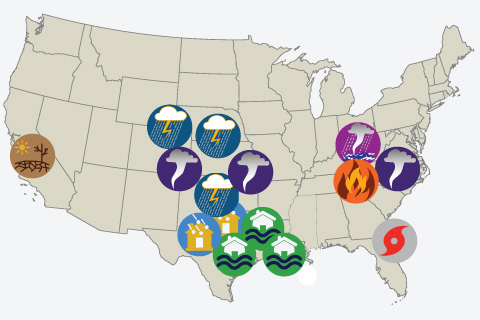
2016 saw 15 weather and climate disasters with losses exceeding $1 billion. How does that compares to history, and which disaster type was especially disruptive during the year?
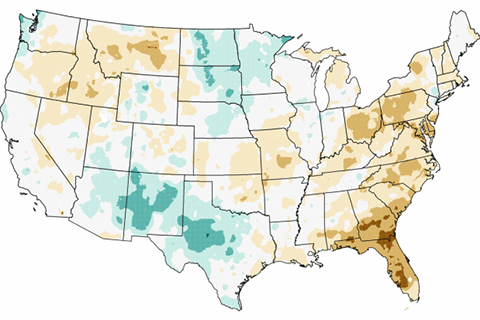
In this edition of Beyond the Data, we’ll look back at 2016 and identify some of the most meaningful climate and weather events from the year.