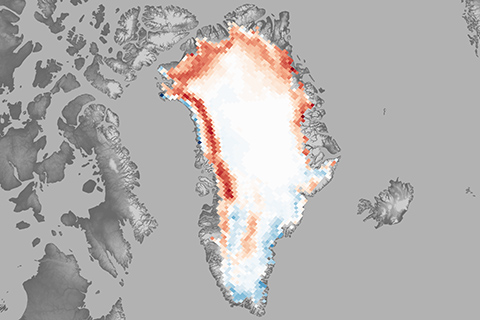
The melt season was up to 30 to 40 days longer than average in western, northwestern, and northeastern Greenland, but was close to or below average elsewhere on the ice sheet. Melt area was above average on 52 of the 90 days of the melt season.
The melt season was up to 30 to 40 days longer than average in western, northwestern, and northeastern Greenland, but was close to or below average elsewhere on the ice sheet. Melt area was above average on 52 of the 90 days of the melt season.
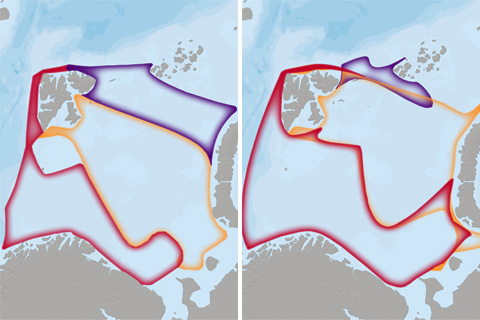
Not only are there now bigger fish to fry in the Arctic's Barents Sea, but scientists predict the natural marine ecosystem will undergo a transformation.
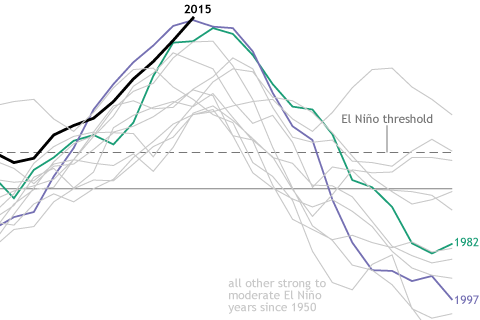
Just how powerful is the current El Niño? There’s more to the story than the very warm equatorial Pacific.
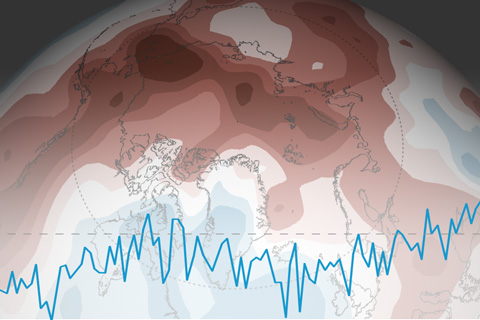
“Arctic amplification” of climate change remained in full swing in 2015, according to the 2015 Arctic Report Card. Broad areas of the Arctic were more than 5°F (3°C) warmer than average during the report card’s monitoring year (October 2014-September 2015).
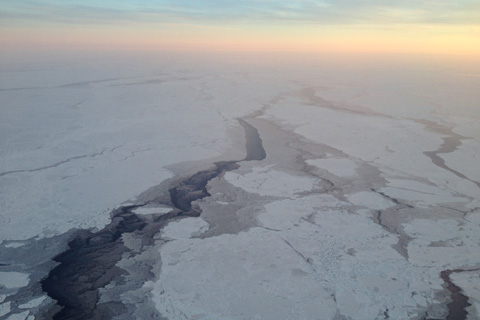
Increasing air and sea surface temperatures, decreasing sea ice extent and Greenland ice sheet mass, and changing behavior of fish and walrus are among key observations released today in the Arctic Report Card 2015.
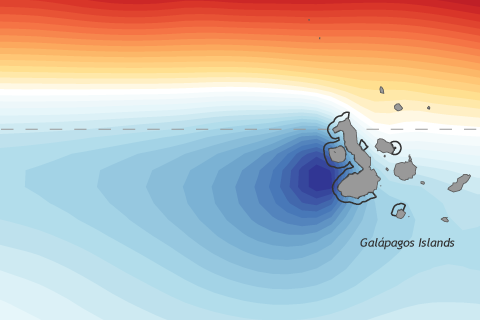
Few places on Earth are more strongly affected by El Niño than the Galápagos Islands, which straddle the equator in the eastern tropical Pacific. Guest blogger Kris Karnauskas explains why these unique islands are so biologically productive—and what happens to that productivity during El Niño.
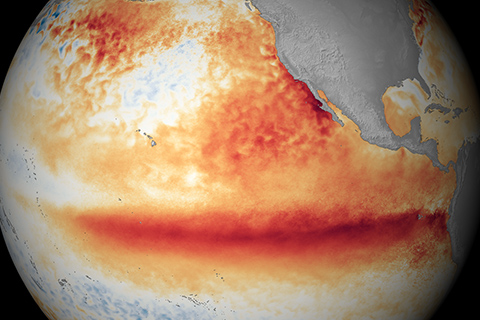
In mid-November, California canceled the opening of its Dungeness crab fisheries, the latest in a series of closures up and down the U.S. West Coast this summer and fall linked to an unusually widespread bloom of toxic algae that thrives in warm waters.
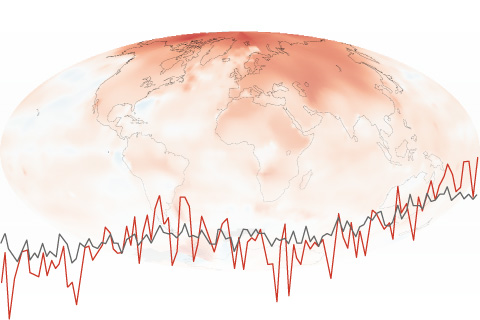
This week, Beyond the Data looks at one of the more well-grounded “rules of thumb” for understanding climate change: cooler "things" are warming more quickly than warmer things.
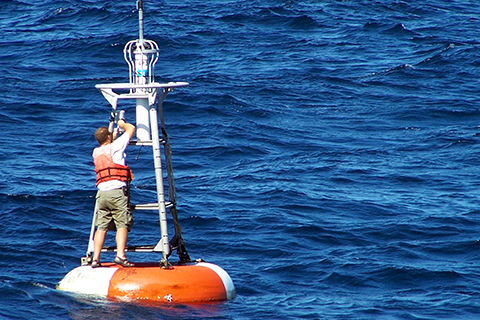
With multiple sea surface temperature datasets come questions. What are they all for?
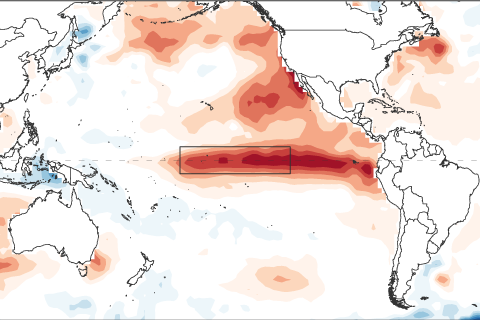
Warmer-than-average waters in the tropical Pacific are expected to reach their peak soon. How has El Niño affected global weather so far this year?