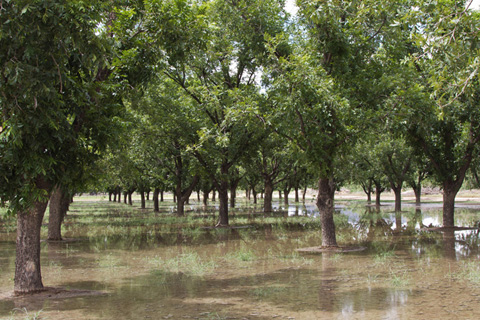
Pecan and chili growers along the Lower Rio Grande can tap groundwater during droughts, but the aquifer water is salty and harmful to the soil over the long term.
Pecan and chili growers along the Lower Rio Grande can tap groundwater during droughts, but the aquifer water is salty and harmful to the soil over the long term.
After 16 consecutive months with warmer-than-normal conditions, the U.S. is headed for its warmest year on record.
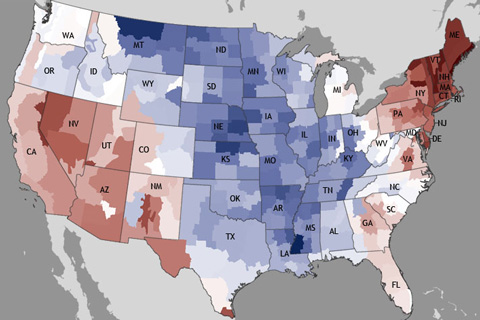
October 2012 ended the 16-month streak of above-average monthly temperatures for the contiguous United States, with an average temperature of 53.9° Fahrenheit, 0.3° Fahrenheit below the long-term average.
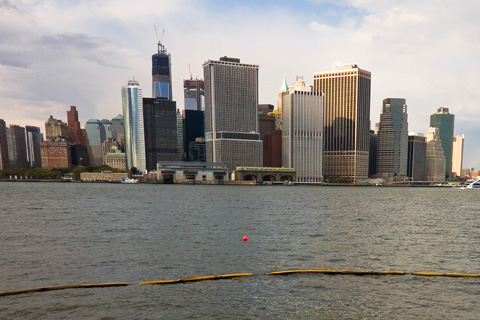
We can’t immediately link Hurricane Sandy itself to climate change, says climate scientist Cynthia Rosenzweig, but the flooding damage we can. Partly due to global warming, sea level has climbed about a foot in the NYC area over the past century, giving storm surges a “step up” along the coast.
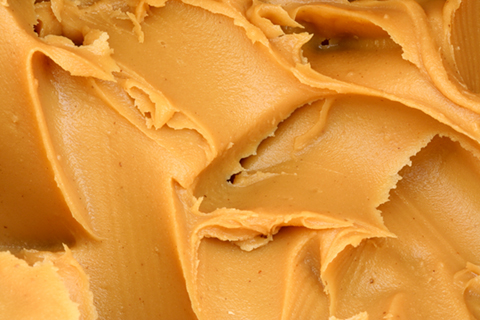
The average U.S. citizen consumes around 3.5 pounds of peanut butter a year. Will global warming make climate conditions less peanut-friendly in the U.S.?
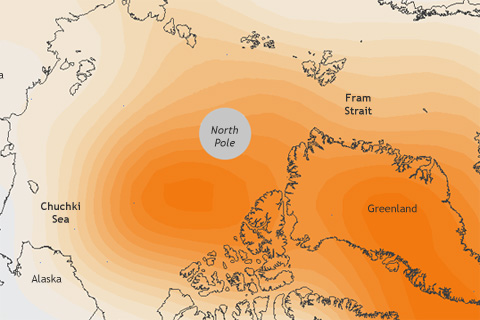
For James Overland, an Arctic oceanographer at NOAA’s Pacific Marine Environmental Laboratory, six exceptionally slushy summers in a row in the Arctic demanded an explanation that went beyond the obvious: that global warming is raising the Arctic’s temperature. After analyzing winds and pressure patterns, Overland and several colleagues documented an unusual shift in the prevailing June winds—from westerlies to southerly—that amplified Arctic warming and sea ice melt.
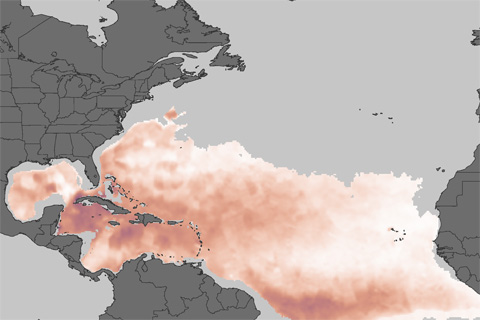
With the end of the most active part of the Atlantic hurricane season approaching, there is still plenty of water in the western Atlantic basin that is warm enough to fuel hurricanes.
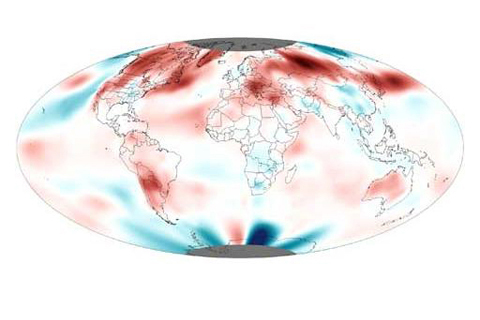
September 2012 tied with September 2005 as the warmest September worldwide since record keeping began in 1880. See which countries saw warmer-than-average temperatures during last month, and learn how weak El Niño conditions might progress into the Northern Hemisphere winter.
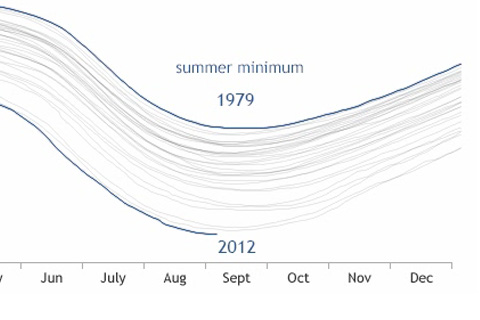
Arctic sea ice extent set a new record low at the end of the summer melt season on September 16, 2012. But extent is not the only quality of the ice that is changing. Wind and ocean circulation patterns are conspiring with a warmer climate to reduce the amount of year-round (multi-year) ice, transforming the remaining ice into a younger, thinner version of its old self.
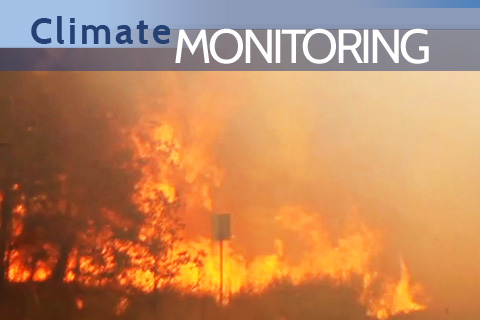
In summer of 2012, warm and dry climate climate conditions combined with weather to spark one of the West's largest wildfire seasons yet.