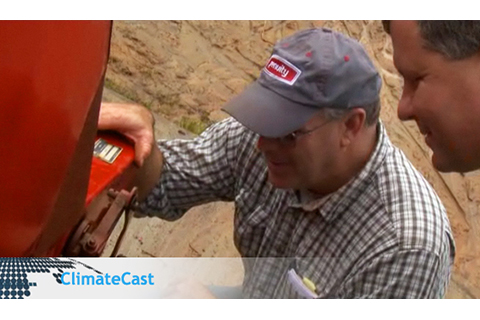
Alabama farmer Myron Johnson talks about how adding seasonal climate outlooks to his decisions about when to plant and harvest his cover crops helped produce a bumper cotton crop during the 2010 growing season.
Alabama farmer Myron Johnson talks about how adding seasonal climate outlooks to his decisions about when to plant and harvest his cover crops helped produce a bumper cotton crop during the 2010 growing season.
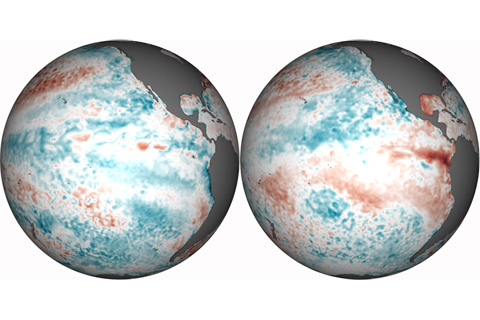
Temperatures in the eastern tropical Pacific Ocean swing back and forth like an irregular pendulum. The cool phase—which the Pacific has been in for the past two winters—is called La Niña. According to NOAA’s April 2012 ENSO Diagnostics Discussion, La Niña is fading and will likely be over by the end of April.
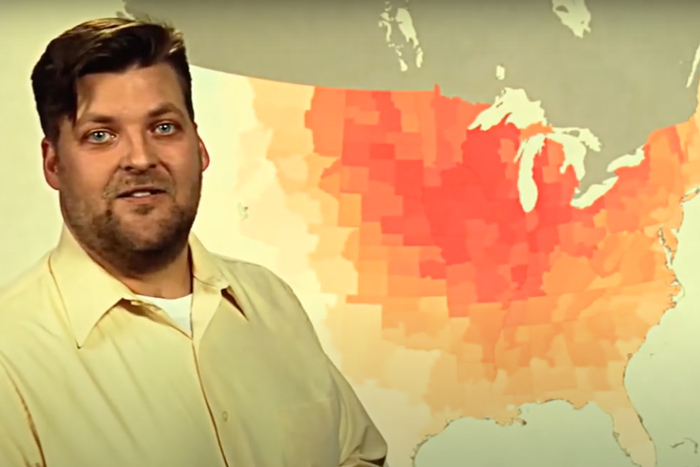
NCDC climate scientist Deke Arndt talks about the record March heat and the cumulative effect of a warm fall, winter, and early spring on “heating degree days”—an estimate of the energy demand during the U.S. cold season.
Although solar flares can bombard Earth’s outermost atmosphere with tremendous amounts of energy, most of that energy is reflected back into space by the Earth’s magnetic field or radiated back to space as heat by the thermosphere.
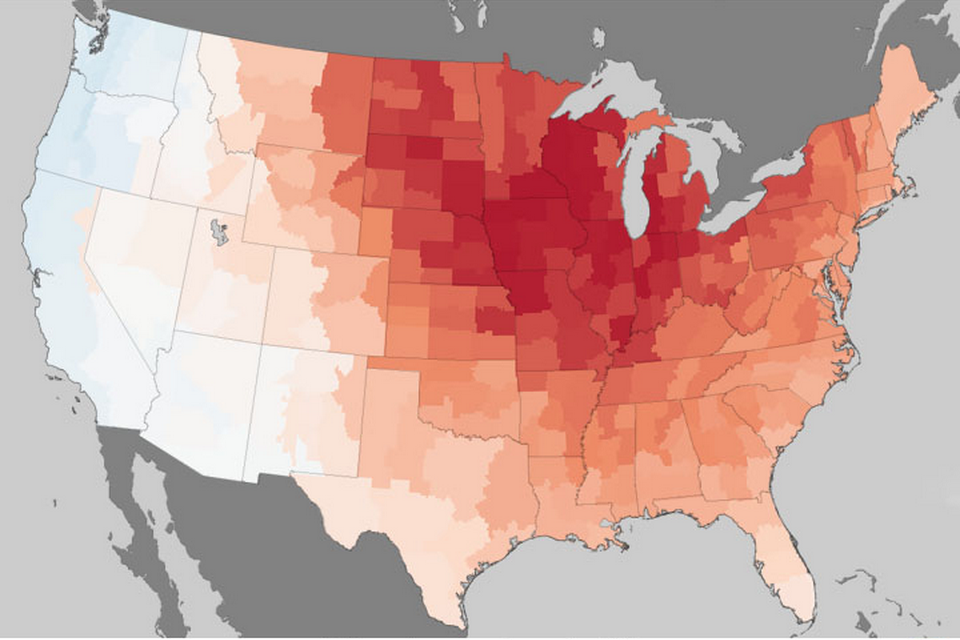
Record and near-record breaking temperatures dominated the eastern two-thirds of the nation and contributed to the warmest March in the contiguous United States since records began in 1895. The average temperature was 8.6 degrees above the 20th century average for March. In the past 117 years, only one month (January 2006) has ever been so much warmer than its average temperature.
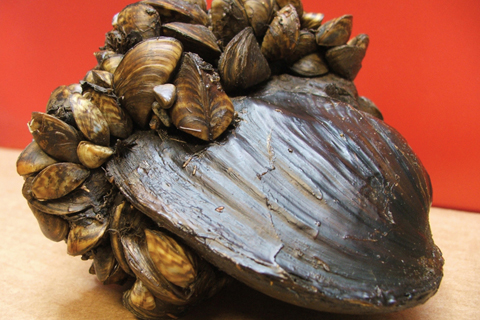
In the Great Lakes region, conservation and resource managers are already fending off attacks by multiple invasive species. In the future, climate change will present new challenges, such as anticipating the invaders’ next move and dealing with new, emerging threats — some of which could be swimming around in your aquarium right now.
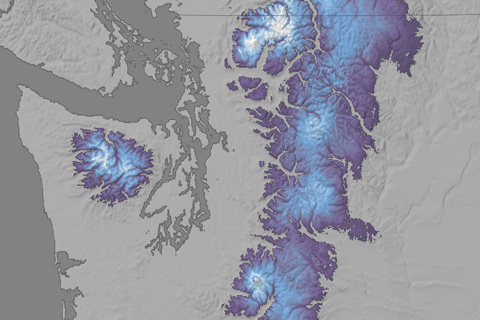
In the first two weeks of March, a series of storms piled between 4 and 9 feet of new snow on the already deep powder on the western slopes of the Cascades.
As March began, people living the eastern United States were enjoying warmer temperatures, budding flowers, and other signs of the approaching spring season. But on the opposite coast, a series of wintry storms rolled through the already snow-packed Cascades, leaving behind several feet of powder and sparking avalanche warnings throughout the region.
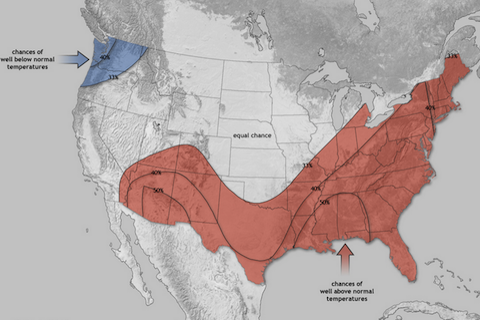
According to NOAA’s 2012 Spring Outlook, odds are that dry conditions and above-average temperatures will persist in much of the South, where drought is still lingering after making headlines in 2011. But last year’s most devastating flood events are unlikely to repeat.
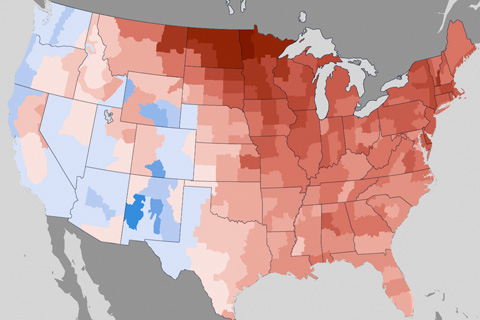
When NOAA’s National Climatic Data Center crunched the numbers for December, January and February—”meteorological” winter for 2011-2012—it stacked up as the fourth warmest of the past 117 winters. Virtually all of the West received less than its average precipitation.