
Terrestrial ecosystems pull about one-fourth of anthropogenic CO 2 emissions out of the atmosphere per year, serving as a sink for CO 2 since industrialization. Minor swings in CO 2 fluxes can cause…
Terrestrial ecosystems pull about one-fourth of anthropogenic CO 2 emissions out of the atmosphere per year, serving as a sink for CO 2 since industrialization. Minor swings in CO 2 fluxes can cause…
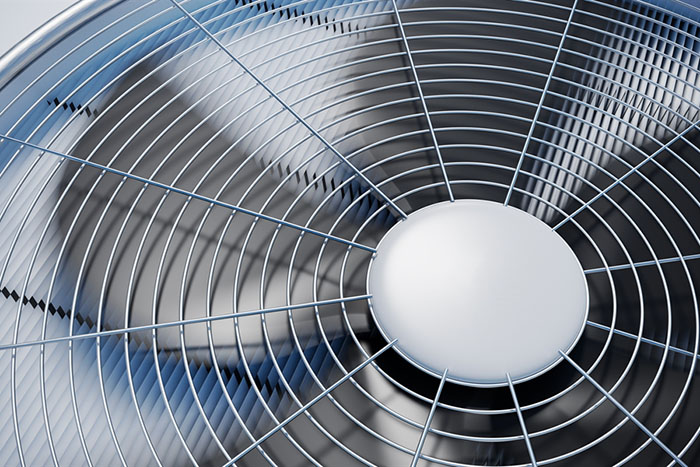
On September 21, 2022, the United States Senate successfully approved the Kigali Amendment of the Montreal Protocol. The Kigali Amendment is an international agreement to phase out and replace hydrofluorocarbons, a class of chemicals that act as potent greenhouse gasses.
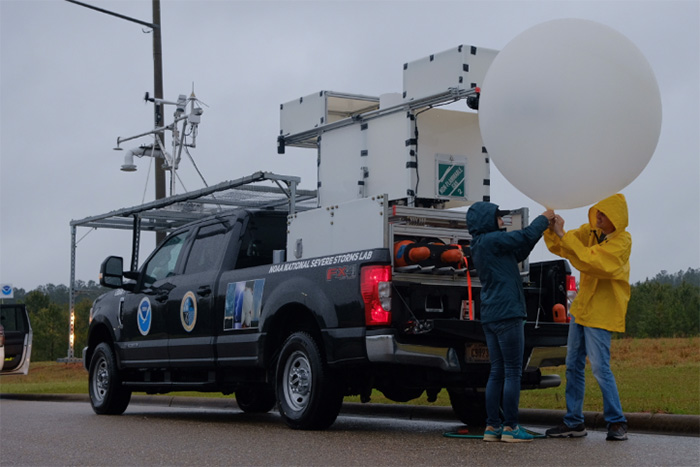
This winter has brought multiple rounds of devastating severe weather to the southeastern U.S., with more than 200 reported tornadoes and 14 fatalities. To better understand the deadly storms in this region, scientists will conduct research as they travel through seven states in the second year of one of the largest and most comprehensive severe storm field projects to date.
Join NOAA Education in learning about the winter solstice. The solstice occurs on the shortest day of the year, which is when the Earth's north pole is located furthest away from the sun. You can…
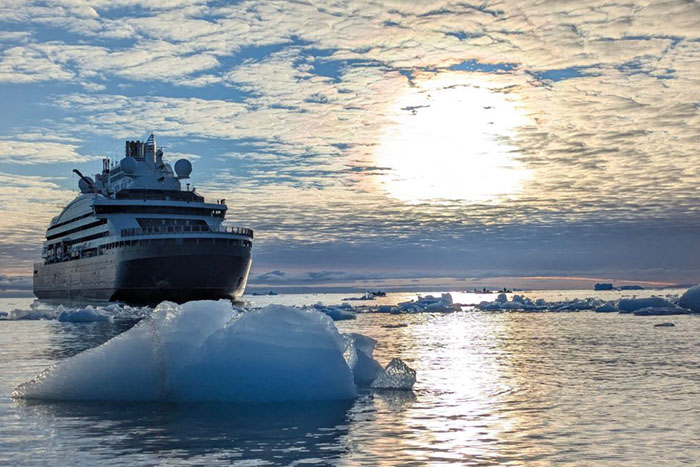
Through partnerships with private-industry cruiseliners, cargo vessels, sailboats, and moorings, the Ships of Opportunity Program enables researchers to track the global ocean’s uptake of carbon.
Today, NOAA and its partners are accelerating the advancement of numerical weather prediction by sharing a second application based on the Unified Forecasting System (UFS) framework with the ...
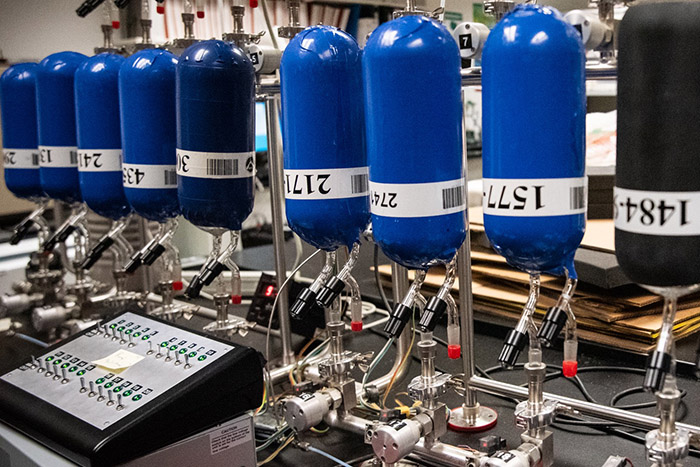
Levels of the three most important human-caused greenhouse gases – carbon dioxide (CO2), methane and nitrous oxide – continued their steady climb during 2023, according to NOAA scientists.
A new study from researchers at UCLA and the University of Houston reveals estimates of significant groundwater loss in California’s Central Valley during the recent drought and sparks questions of …