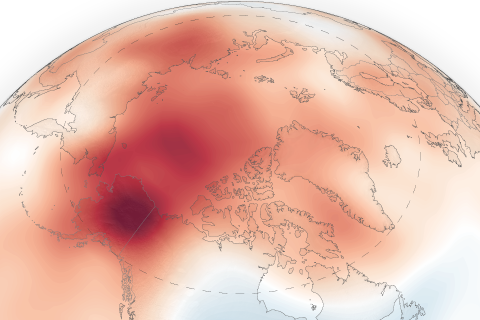
In 2019, air temperatures over the Arctic were the second-warmest on record, continuing a string of 6 years that have been warmer than all other periods in the historic record dating back to 1900.
In 2019, air temperatures over the Arctic were the second-warmest on record, continuing a string of 6 years that have been warmer than all other periods in the historic record dating back to 1900.
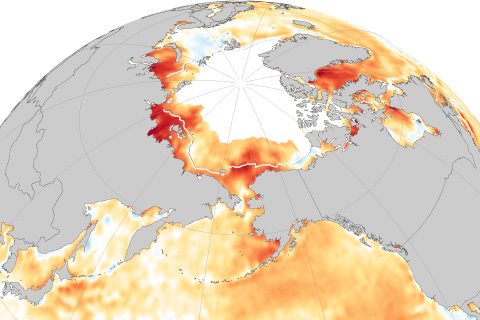
With few exceptions, unusual warmth dominated Arctic Ocean basins in 2019.
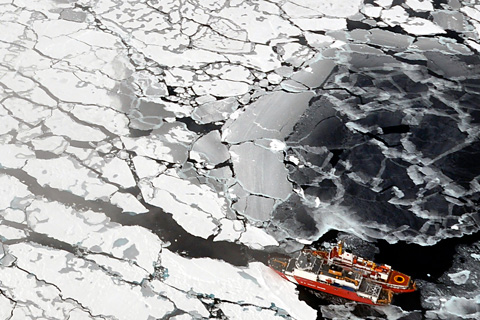
NOAA’s 14th Arctic Report Card recounts the numerous ways that climate change continues to disrupt the polar region, including massive melt of the Greenland ice sheet and major shifts in the distribution of commercially valuable marine species.

Edited by NOAA scientists, the new report reveals scientists' advancing ability to quantify human imprint in climate.
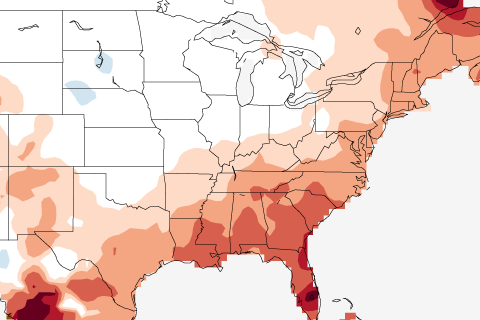
What goes into NOAA’s winter outlook when ENSO is in neutral? The Climate Prediction Center’s Mike Halpert discusses the details.
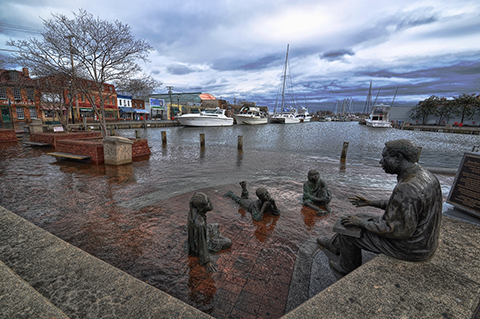
On Tuesday, November 19, NOAA sea level rise expert William Sweet answered questions in a Climate.gov tweet chat about sea level rise and U.S. high-tide flooding.
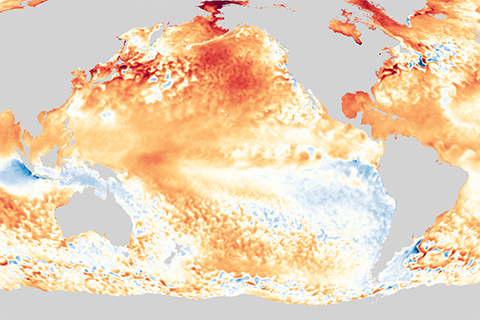
While ENSO-neutral conditions are expected to continue through the winter, some other climate patterns are out and about in the neighborhood.
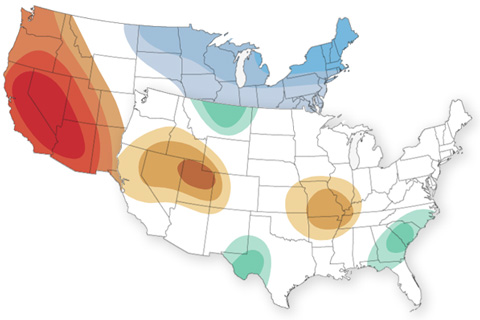
NOAA National Weather Service's Climate Prediction Center released their temperature and precipitation outlook for November. What does it say? Read on to find out.

Weather balloons launched at the South Pole each spring routinely find areas of the Antarctic stratosphere where ozone has been completely destroyed. In 2019, they found no such areas.
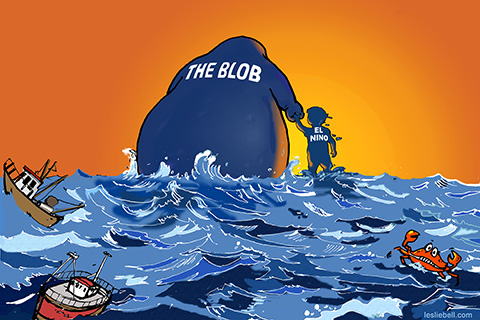
A blog post on the Blob. Blob, Blob, Blob. But here's why you shouldn't call it the Blob.