
See highlights from the 2017 issue of the planet's most comprehensive annual physical, the American Meteorological Society's State of the Climate report.
See highlights from the 2017 issue of the planet's most comprehensive annual physical, the American Meteorological Society's State of the Climate report.

In 2017, land areas recorded more than 60 days of extreme daytime heat worldwide, nearly double the 1961-1990 average.

2017 will likely be the 38th year in a row that, on average, glaciers worldwide have lost ice mass. Cumulative mass losses have accelerated since 2000.

The heating imbalance in Earth's oceans reached a new record high in 2017. From 1993–2017, the ocean has accumulated 0.36–0.40 watts of heat per square meter in the top 700 meters and another 0.19–0.35 watts per square meter at depths between 700–2,000 meters.

The ocean absorbed a net 2.6 billion tonnes of carbon from human activities, which is 36% higher than the 2005-2015 average. While ocean carbon uptake slows atmospheric warming, it also continues the trend of ocean acidification, which stresses shell-building creatures and other ocean life.

Global mean sea level in 2017 was the highest in the satellite record—3 inches (77 millimeters) higher than it was in 1993—and the rate of increase has been accelerating.
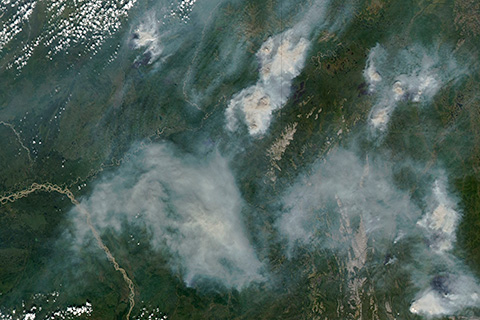
In a sidebar to the State of the Climate in 2017 report, experts describe how human-caused climate change is leading to longer, more damaging fire seasons in the evergreen-dominated boreal forests of Alaska, Canada, and Eurasia.
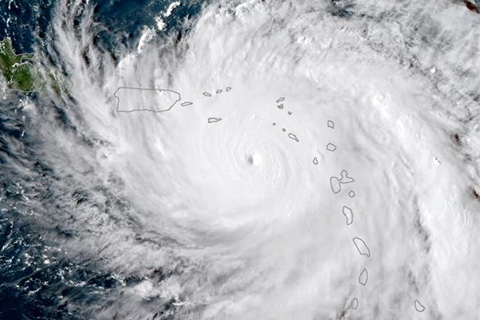
The State of the Climate in 2017 report includes a summary of the devastation in Puerto Rico from Hurricane María, describing damage so widespread and severe that thousands of residents of the Caribbean island moved to the U.S. mainland in the aftermath.
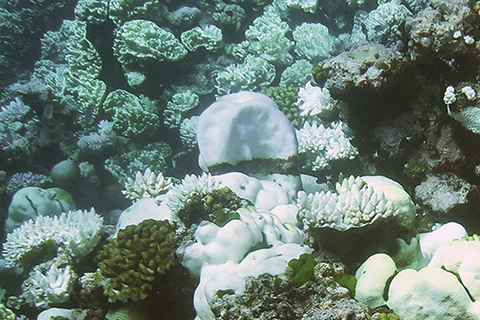
As part of the State of the Climate in 2017 report, experts describe a record three-year-long episode of mass coral bleaching at tropical reefs worldwide. Previous global bleaching events required the presence of El Niño, but the devastating 2014–2017 event began before El Niño emerged and continued long after it ended—implicating human-caused global warming in the mass die offs.
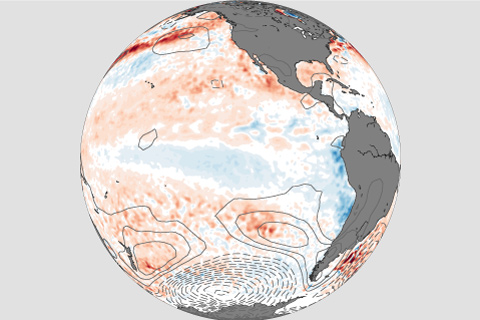
Wondering how strong any potential El Niño might be this winter? Maybe you should look to the South Pacific for clues.