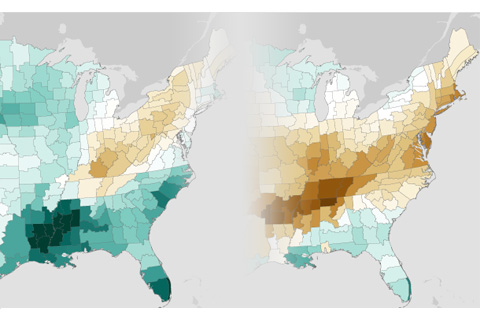
NCEI's Deke Arndt blogs about how El Niño—like an erratic bartender—doesn't always bring the country the seasonal climate we'd expect.
NCEI's Deke Arndt blogs about how El Niño—like an erratic bartender—doesn't always bring the country the seasonal climate we'd expect.
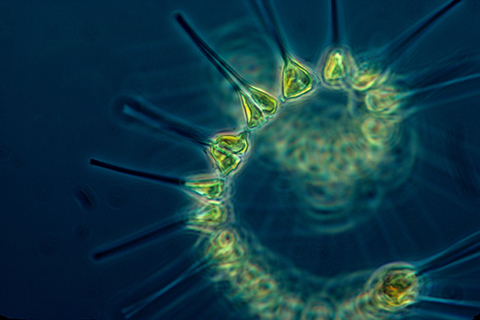
Tom Di Liberto explains how algae and other phytoplankton usually behave.
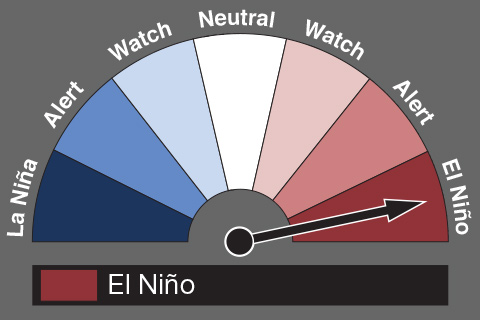
El Niño is a global phenomenon. Guest blogger Dr. Andrew Watkins shines some light on El Niño's impact across the world in Australia.
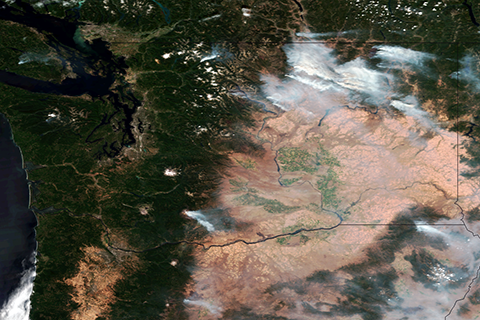
Drought conditions remain dire in the West, boosting the U.S. total burned area to nearly 2.5 million acres.
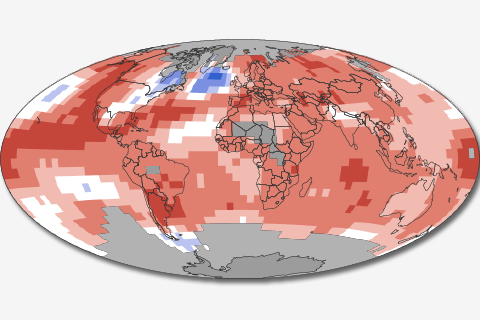
This week's bloggers use the historical record to generate 10,000 possible scenarios for the remainder of 2015. In 97% of them, 2015 sets a new record temperature.
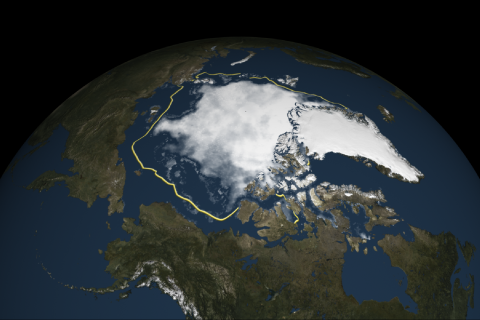
On September 11, 2015, Arctic sea reached its fourth-lowest minimum extent in the satellite record:1.70 million square miles (4.41 million square kilometers).
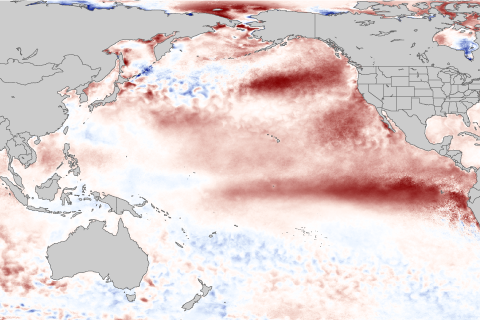
The chance that El Niño will continue through Northern Hemisphere winter is currently about 95%. Blogger Emily Becker answers questions about what it all means.
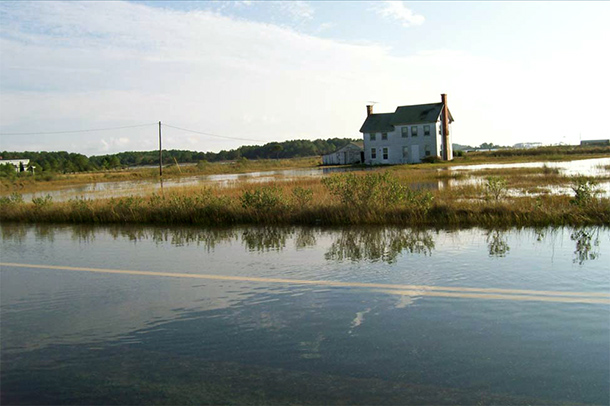
High-tide "nuisance flooding" has increased between 300 and 925 percent since the 1960s as a result of sea level rise. In this Q&A, Billy Sweet and John Marra explain the changes and offer projections for the remainder of the 2015-16 monitoring year.
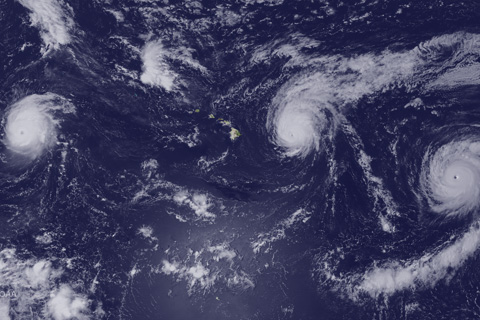
An over-active hurricane season in the central/eastern Pacific Ocean went into overdrive as three major hurricanes occurred at the same time.
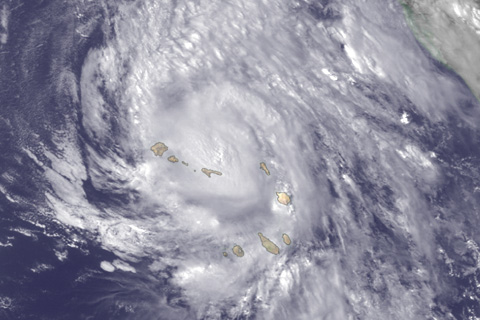
While the Atlantic hurricane season has been generally below-average, that doesn't mean it can't have a rare event.