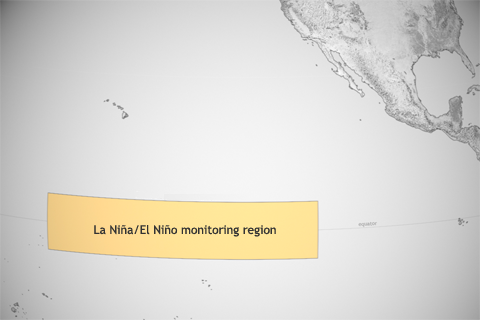
As the whole ocean gets warmer, NOAA scientists must redefine what they consider “average” temperature in the central tropical Pacific, where they keep watch for El Niño and La Niña.
As the whole ocean gets warmer, NOAA scientists must redefine what they consider “average” temperature in the central tropical Pacific, where they keep watch for El Niño and La Niña.
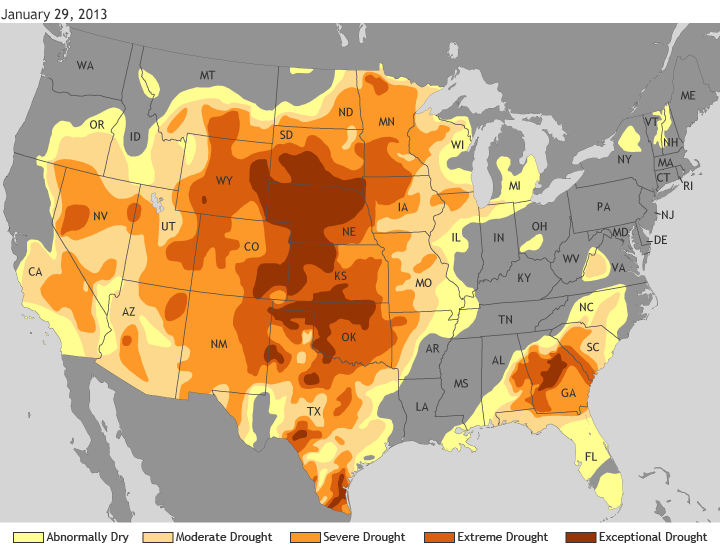
According to the U.S. Drought Monitor, an estimated 58 percent of the contiguous United States was in some level of drought as of January 29, with an additional 12 percent in the “Abnormally dry” category.
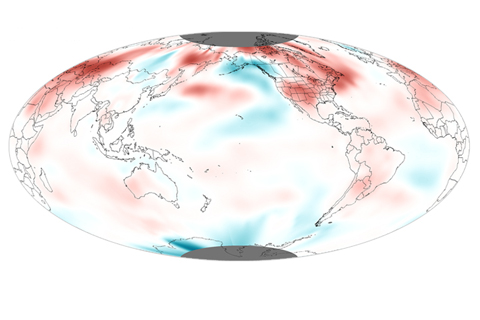
Although 2012 warmth did not top the charts, it was the third warmest “La Niña year” on record.
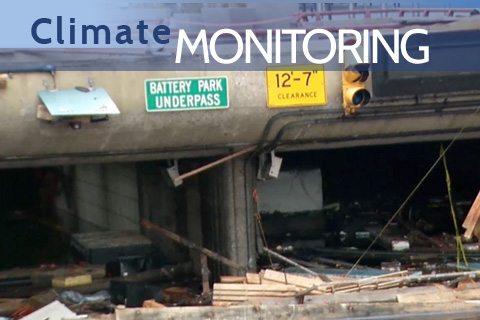
Drought, cold, and massive storms were among the devastating climate-related events that struck the United States in 2012. These events were incredibly destructive and disruptive for people across the country.
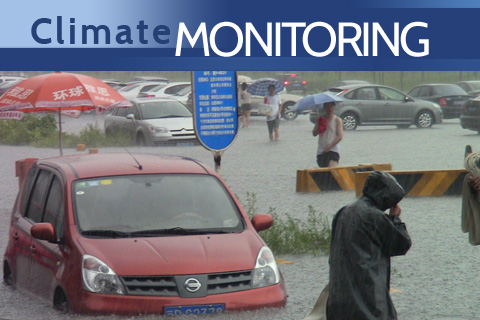
Deke Arndt talks about how we can learn to make better decisions, become more resilient, and be “climate smart” in the face of extreme events.
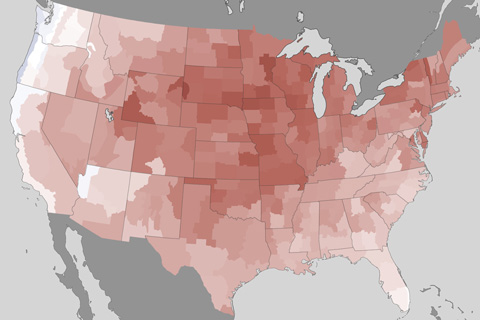
The average temperature for the contiguous United States for 2012 was 55.3° Fahrenheit, which was 3.2° Fahrenheit above the twentieth-century average and 1.0° Fahrenheit above the previous record from 1998.
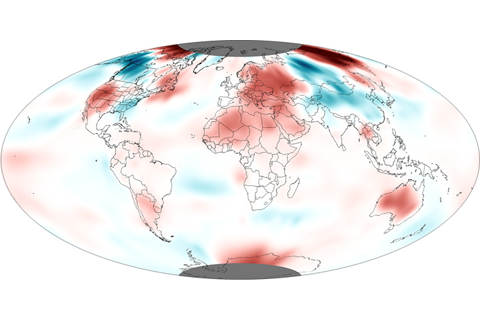
The average global temperature for November 2012 was the fifth warmest November since record keeping began in 1880.
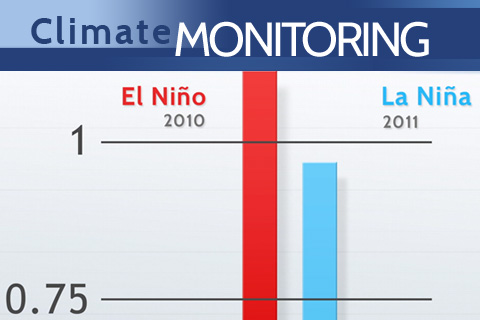
Deke Arndt, Chief of the Climate Monitoring Branch, at the National Climatic Data Center talks about the influence of La Niña on the 2011 global average temperature.
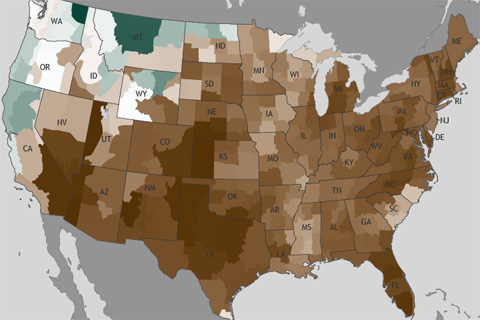
The November nationally averaged precipitation total of 1.19 inches was nearly an inch below the long-term average, making this the eighth driest November on record.
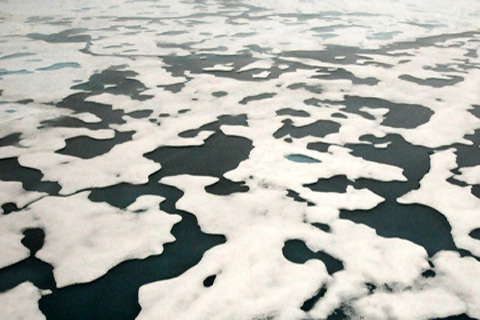
It may seem remote from our everyday lives, but the Arctic exerts a powerful influence on the rest of the planet. From rising sea level, to U.S. and European weather, to bird migrations, NOAA Administrator Jane Lubchenco describes how Arctic climate change can influence the rest of the planet.