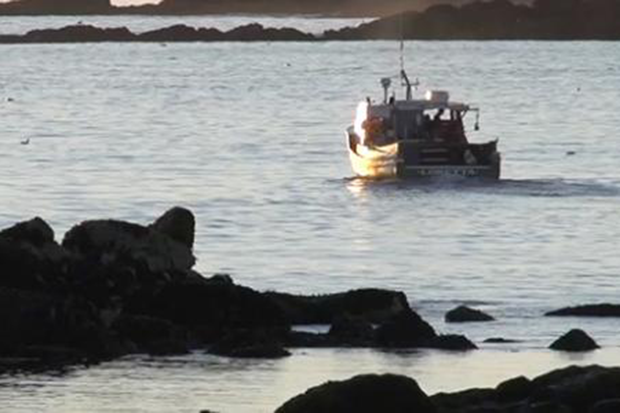
An ocean heat wave slammed the lobster industry in the Gulf of Maine in 2012. Scientists and lobstermen studying the incident found a surprise: just not fishing during the heatwave would have been better for the lobstermen's bottom line.
An ocean heat wave slammed the lobster industry in the Gulf of Maine in 2012. Scientists and lobstermen studying the incident found a surprise: just not fishing during the heatwave would have been better for the lobstermen's bottom line.
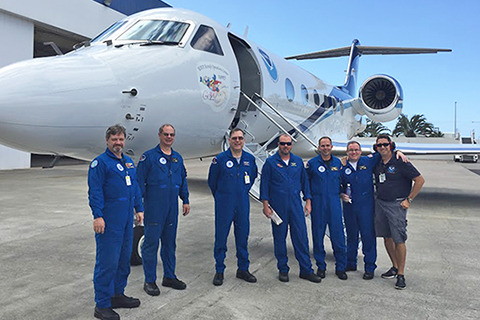
The 2015-2016 El Niño will go down as one of the strongest on record, and also, thanks to El Niño Rapid Response Campaign, one of the best observed.
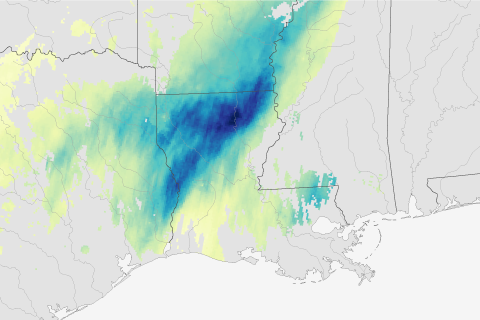
A fire hose of moisture pointed directly at the Gulf Coast led to up to two feet of rain in Louisiana in less than a week.
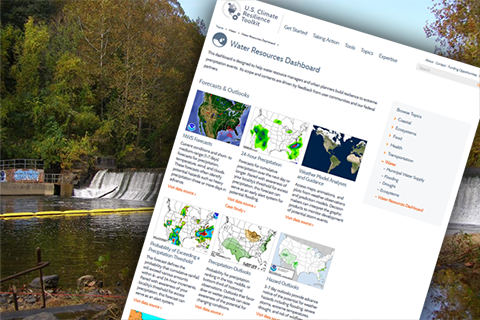
The Climate Resilience Toolkit's Water Resources Dashboard is a one-stop website for data and information on drought, flooding, precipitation, climate, and other water-related risks and opportunities.
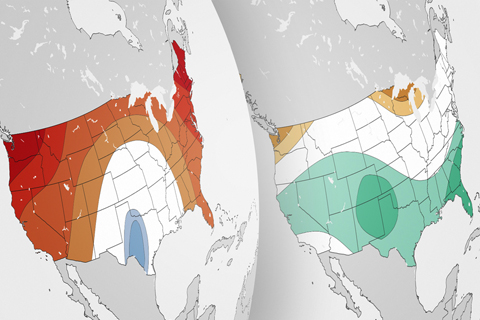
NOAA issued its spring seasonal outlooks on March 17th for flooding, drought, precipitation and temperature. Flood risk is highest in the lower Mississippi valley and along the Southeast coast.
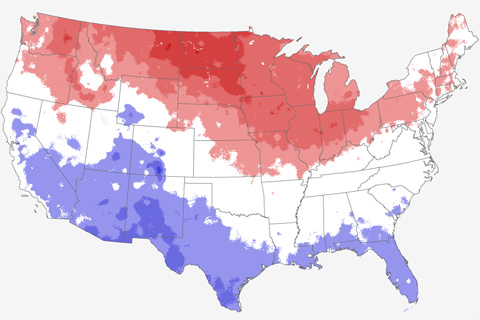
Is El Niño the Marcia Brady of climate variability? In this week's Beyond the Data blog, Jake Crouch talks about whether El Niño played a starring role in this winter's climate.
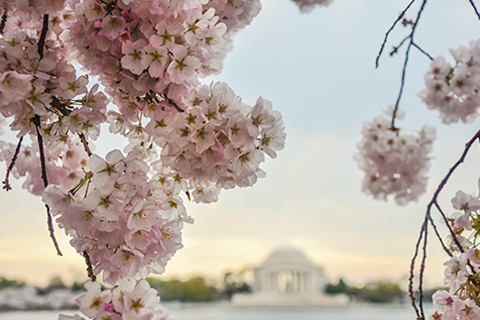
Due to an unusually warm winter, Washington DC's famous cherry trees might reach peak bloom before the Cherry Blossom Festival begins on March 20.
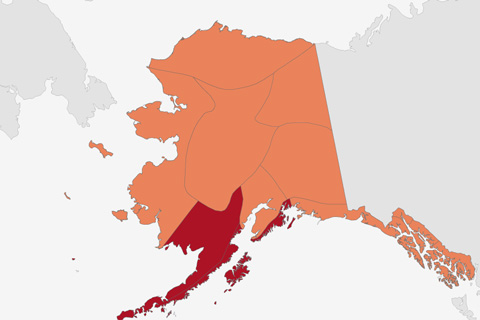
For the third winter in a row, temperatures were well above normal for much of Alaska, leaving Alaskans to wonder, where's winter?
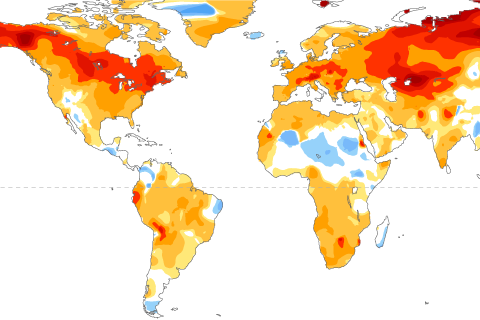
El Niño is weakening. What impacts did it have on winter weather? And what's this about La Niña?
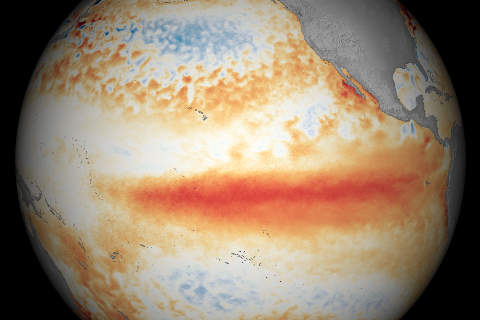
Waters along the equator in the Pacific Ocean were warmer than average during February 2016, but cooler than they were in January, according to satellite observations.