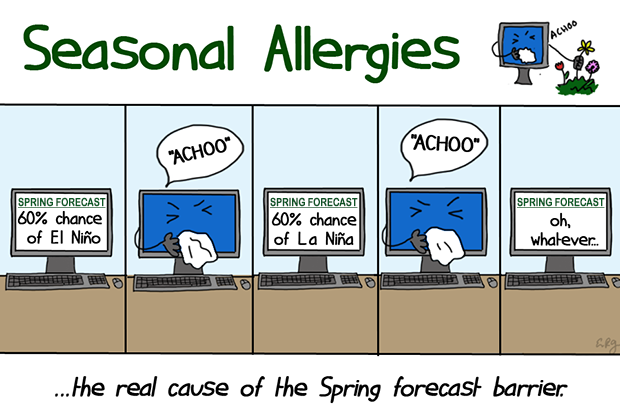
Why is it so difficult to make a good ENSO prediction during the Northern Hemisphere spring?
Why is it so difficult to make a good ENSO prediction during the Northern Hemisphere spring?
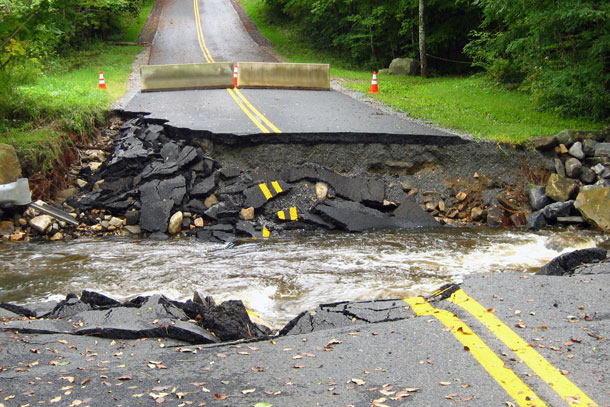
Laura Sagar uses climate data of the frequency and severity of heavy rain events—and how they are changing—to evaluate her county's culvert infrastructure. Understanding the region's rainfall extremes will allow the county to improve the resilience of its roadways.
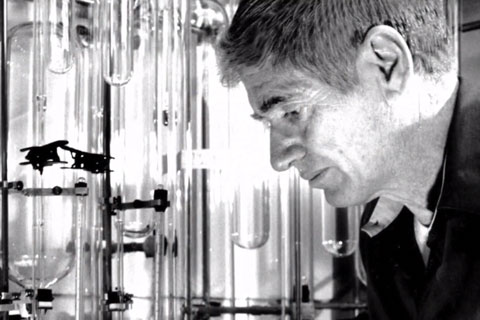
Charles Keeling's measurements of carbon dioxide from the summit of Mauna Loa have become a landmark for mankind's impact on the Earth. In this video, NOAA scientists talk about the history of the observations that allow us to connect Earth's warming climate to the greenhouse gases from burning fossil fuels.
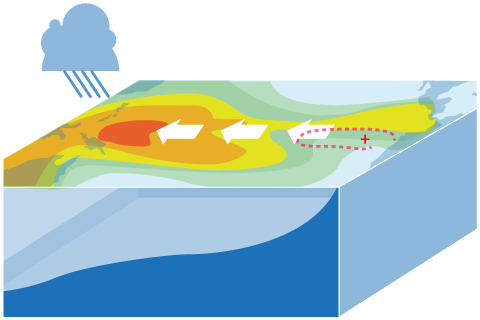
ENSO is a complicated thing to model. What are the challenges, and how can we overcome them?
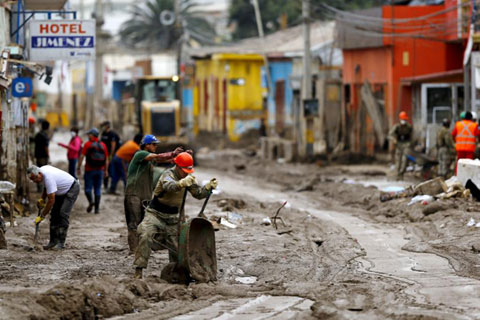
A weak high, a cut-off low, and rapid ocean warming conspired to dump torrential rains in Chile's Atacama Desert in late March 2015.
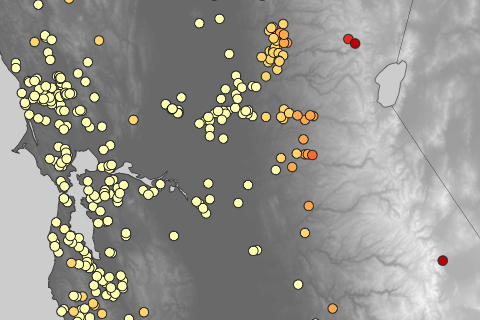
Strong evidence suggests that mountain areas are warming more quickly than lower elevations—with serious consequences for water supplies. But historical weather observations from mountain ranges are limited, leaving scientists with plenty of questions.
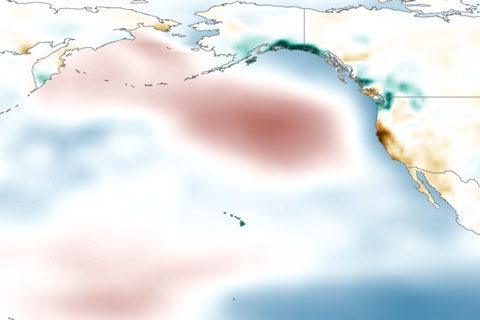
A new analysis suggests that in the winter following a La Niña, dryness in California often deepens into drought. Consistent with that pattern, California’s current drought began in 2011-12, during the second year of a La Niña episode.
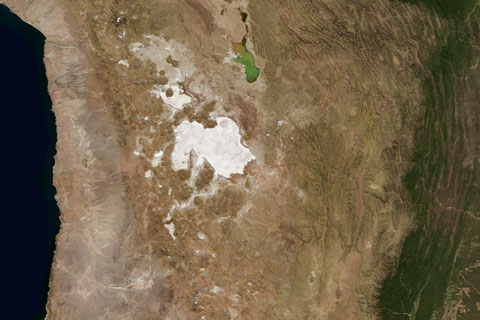
What happens when years' worth of rain falls in the Atacama Desert in one day? Tremendous flash flooding.
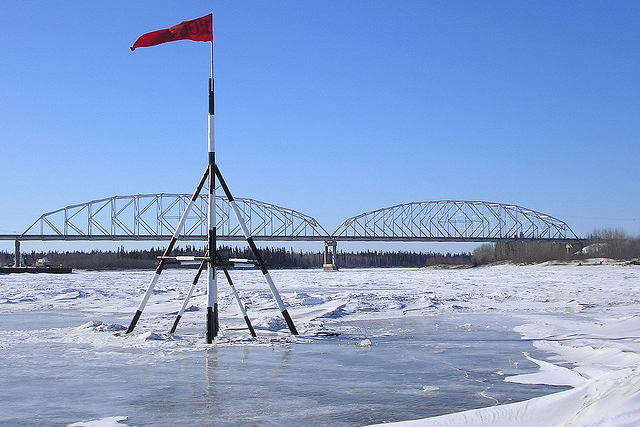
While many of us were wrapped up in March Madness this spring, Alaska residents and people across the globe participated in a different kind of competition.

The International Academy of the Digital Arts & Sciences has chosen the U.S. Climate Resilience Toolkit as one of five nominees for the annual Webby Awards for online excellence in the "Green" category.