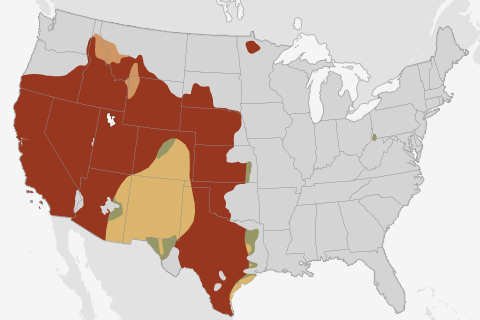
Summer thunderstorms are likely to improve drought conditions in the Southwest, but drought will likely persist across much of the West.
Summer thunderstorms are likely to improve drought conditions in the Southwest, but drought will likely persist across much of the West.
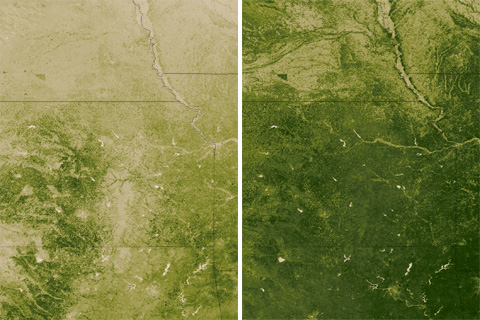
A plant is a sophisticated climate-observing device. These satellite maps of the central and southern Great Plains during the week of April 8, 2012, and 2013 show how plants in the heart of the U.S. winter wheat croplands "measured" dramatically different climate conditions this spring than last.
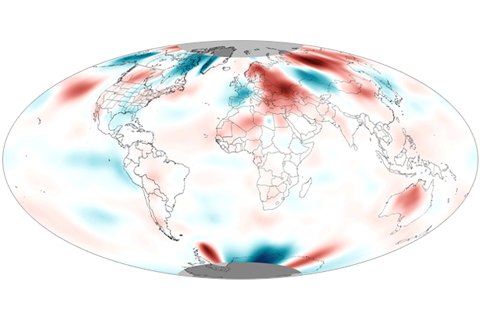
Many areas of the world experienced higher-than-average monthly temperatures according to the latest statistics from NOAA’s National Climatic Data Center. The average global temperature for May 2013…
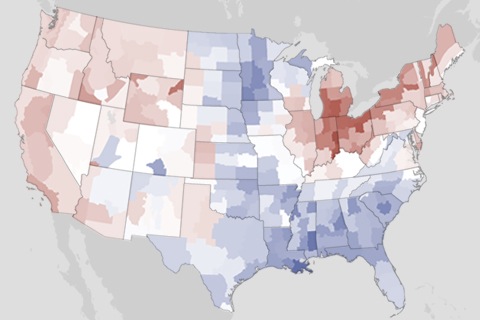
May 2013 temperatures were slightly warmer than average.
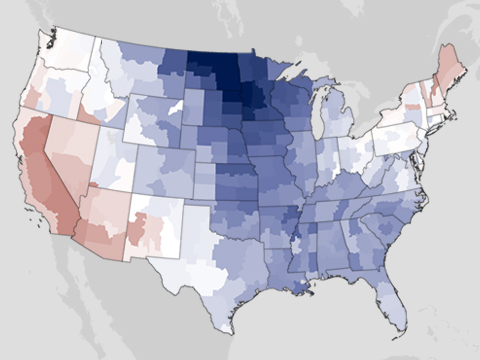
Until a warmer-than-average May, spring 2013 was reluctant to arrive for a majority of the United States. The country’s overall average spring temperature was the coolest since 1996, and it was also the first season in the contiguous United States that the seasonal temperature was below average since the winter of 2010–2011. In addition to cool temperatures, spring brought both wet and dry precipitation extremes to areas across the nation.
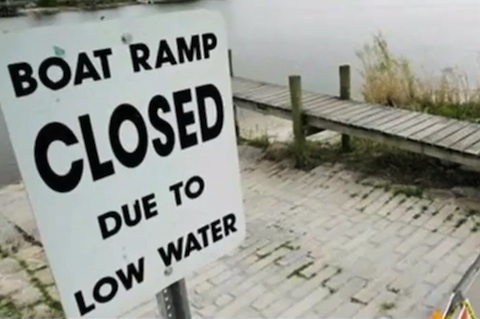
Tampa Bay Water Supply Manager Allison Adams knows water is precious for the millions of residents who rely on the water agency for drinking water and recreation, and for the region’s natural ecosystems, including wetlands and lakes. Adams and colleagues discuss how their evolving water management approach allows them to balance diverse water needs in the face of often unpredictable water sources and cycles.
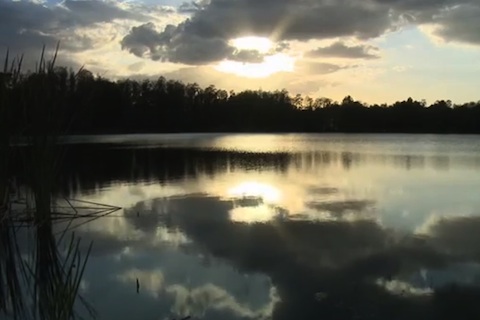
Tampa Bay Water provides safe, potable drinking water to 2.3 million people in the Tampa Bay region. But future availability of surface water can be hard to predict, and drought is a recurring challenge there. The water utility managers are increasingly using seasonal climate forecasts to track climate variability, which helps them better plan their water supply and reduce their vulnerability to seasonal climate impacts.
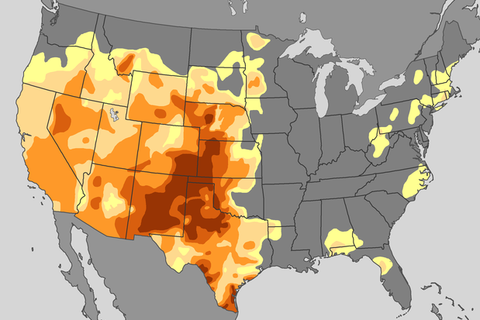
In brief This map shows drought status across the contiguous United States on June 4, 2013. Colors on the map indicate areas that are abnormally dry (yellow) or experiencing some level of…
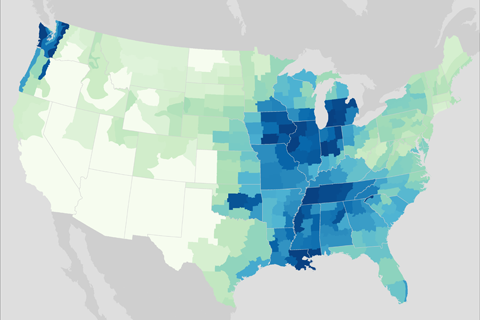
Rain and snow across the contiguous United States during April 2013.
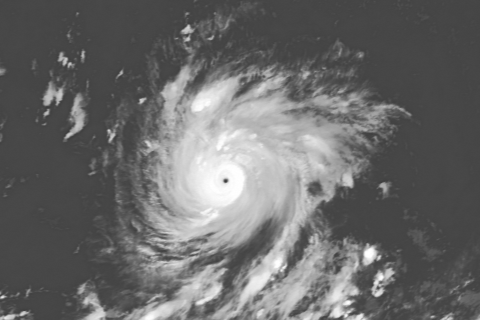
NOAA’s Climate Prediction Center (CPC) has issued its 2013 Atlantic hurricane seasonal outlook. In this video, Gerry Bell, a NOAA CPC meteorologist, explains that as of May 23, 2013, the outlook favors an above-normal Atlantic hurricane season from June 1 through November 30.