
NOAA’s history is filled with stories of people dedicated to the agency’s mission of science, service and stewardship. One of the giants is Rear Admiral Harley D. Nygren. From his childhood, through…
NOAA’s history is filled with stories of people dedicated to the agency’s mission of science, service and stewardship. One of the giants is Rear Admiral Harley D. Nygren. From his childhood, through…

The Fifth National Climate Assessment expanded inclusion of social science across every part of the new report. Hear how social science combined with physical science can address the climate crisis.
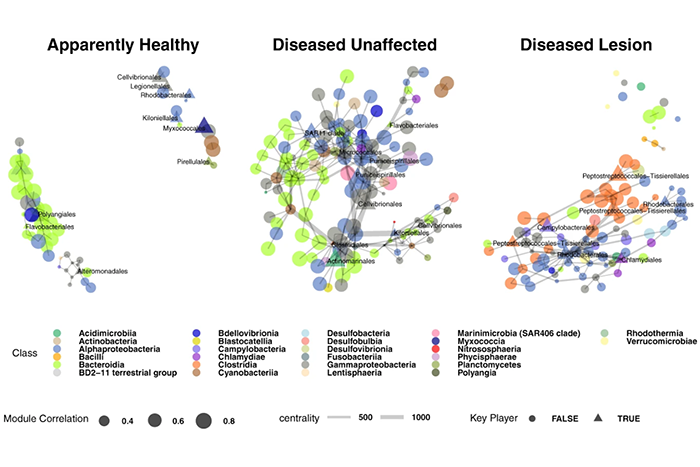
In addition to higher ocean temperatures, corals face threats from stony coral tissue loss disease stresses. Using a crowdsourcing approach, scientists have characterized the global bacteria patterns associated with the disease.
The giant methane cloud spotted by satellite over the U.S. Southwest that made national headlines in 2014 wasn’t a persistent, undiscovered “hotspot” as first thought, but the result of a nightly ...
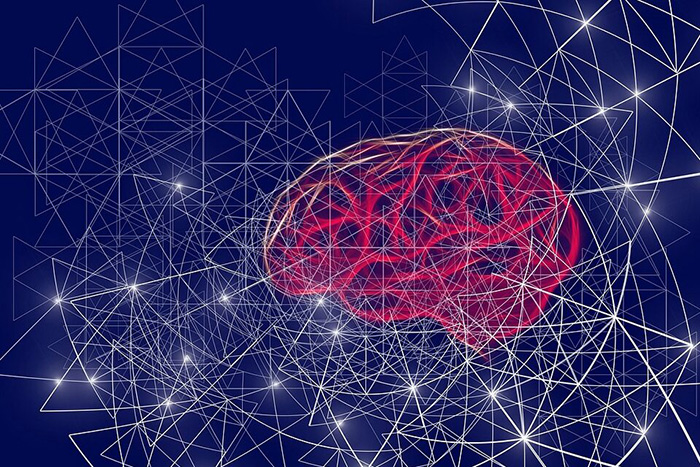
Artificial intelligence is opening new doors to Earth system modeling, and two recent studies demonstrate how AI can enhance our understanding of climate variability.
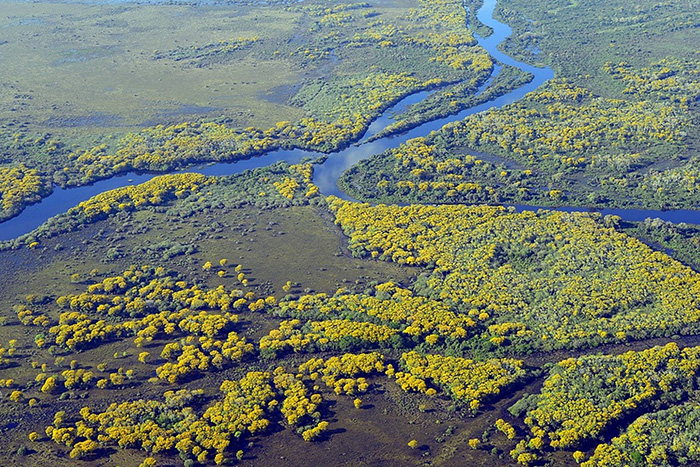
A recent study reveals that microbes, rather than fossil fuels, have been driving the surge in global methane emissions since 2020.
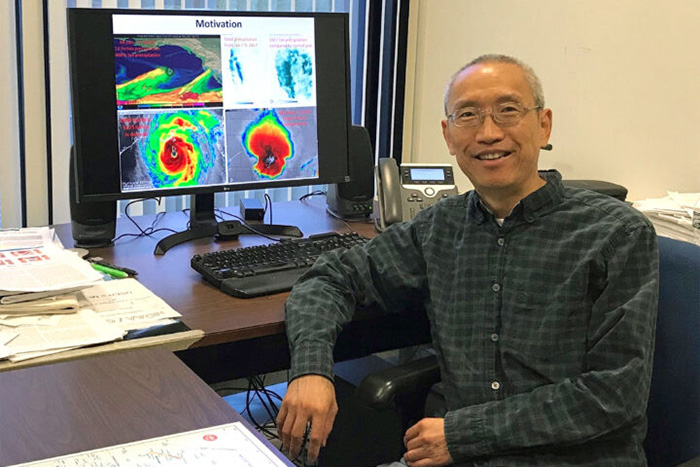
GFDL Physical Scientist Ming Zhao has been awarded the 2022 American Geophysical Union’s Ascent Award for his “growing research accomplishments and leadership in climate model development.” Zhao conducts research focused on challenging topics with societal and economic implications while also developing climate models.
Cloud-computing technology that improves climate prediction counts among the NOAA’s successful technology partnerships in 2022.
A study partially funded by CPO's Sectoral Applications Research Program and published in the Journal of Hydrometeorology found after simulation experiments that climate variability phenomena can ...