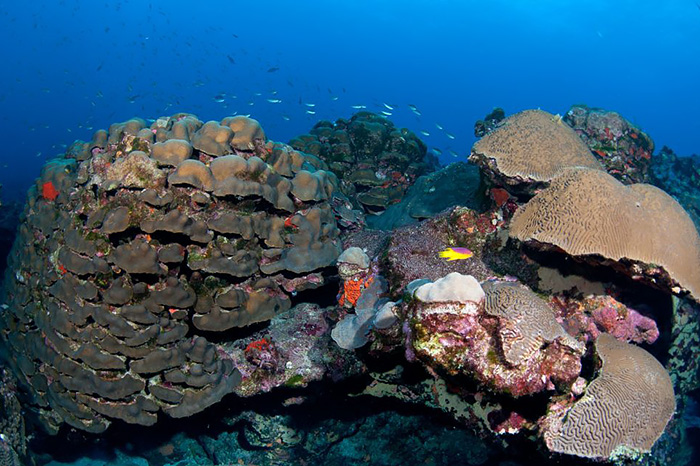
A new study suggests a series of Gulf of Mexico reefs are more resilient to warmer oceans as they are exposed to a wider range of temperatures brought on by a physical movement of seawater called “eddies.”
A new study suggests a series of Gulf of Mexico reefs are more resilient to warmer oceans as they are exposed to a wider range of temperatures brought on by a physical movement of seawater called “eddies.”
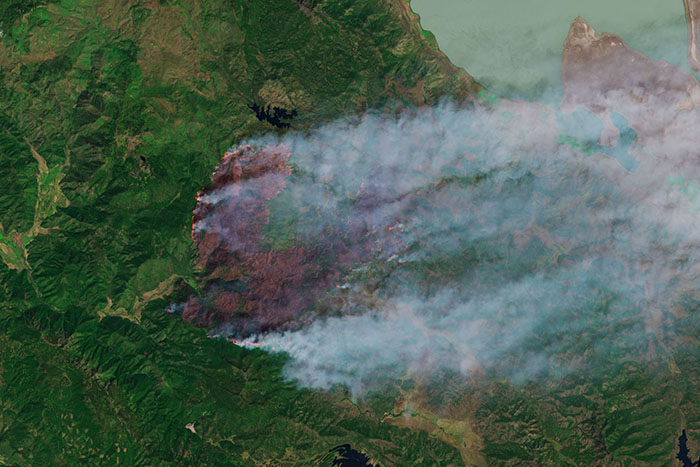
How much aerosols scatter light and reduce visibility can be linked to human health impacts. Measurements taken during the Fire Influence on Regional to Global Environments and Air Quality (FIREX-AQ) campaign provide a record of aerosol light scattering during the 2019 wildfire season in the western United States.
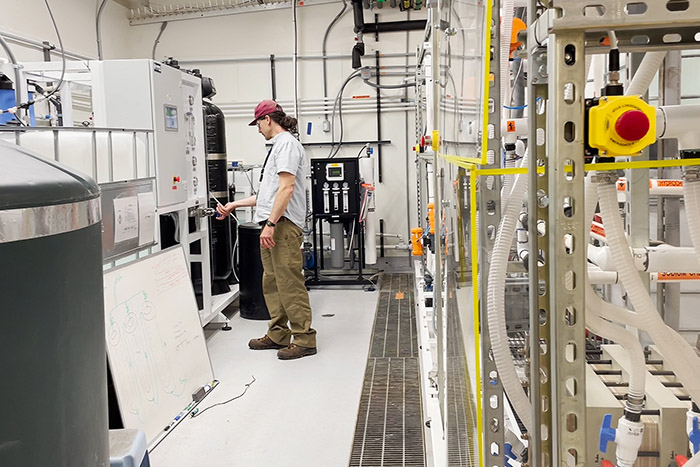
A new system has begun removing acid from seawater at the U.S. Department of Energy’s Pacific Northwest National Laboratory facility in Sequim, Washington, allowing seawater to take up and store carbon dioxide from the atmosphere.
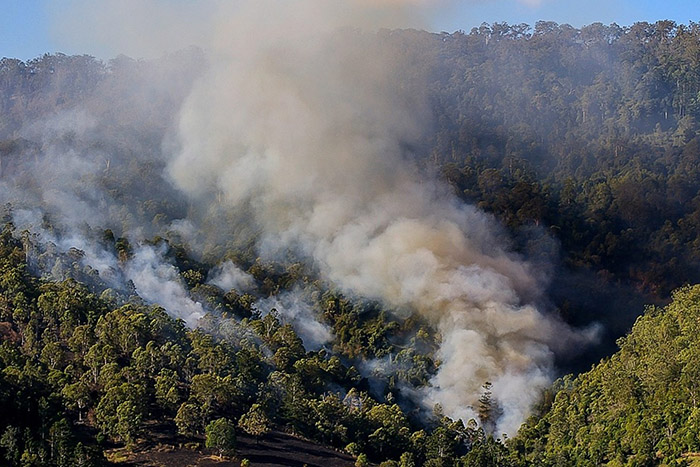
A new study examines how well weather radar products can characterize wildfire and smoke behavior. The study finds that radar-based estimates can compensate for gaps in satellite data.
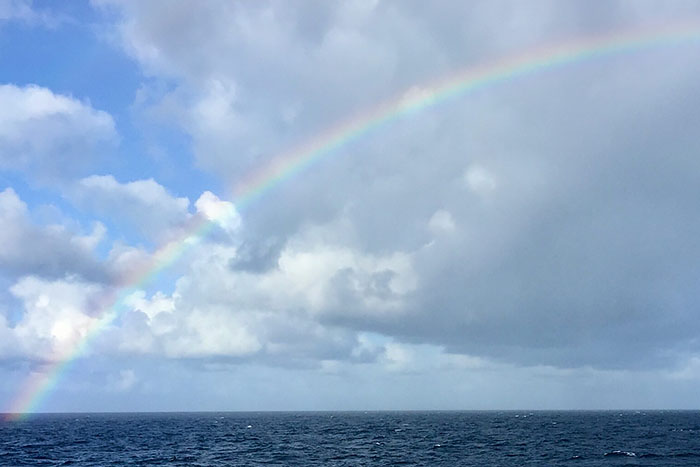
Rare observations of surface currents in the Bay of Bengal will help scientists understand when an ocean current may veer in a direction opposite to what they expect.

News release from Scripps Institution of Oceanography: The Lagrangian Drifter Laboratory (LDL) at the Scripps Institution of Oceanography (SIO) is releasing a new type of drifter, the Directional ...
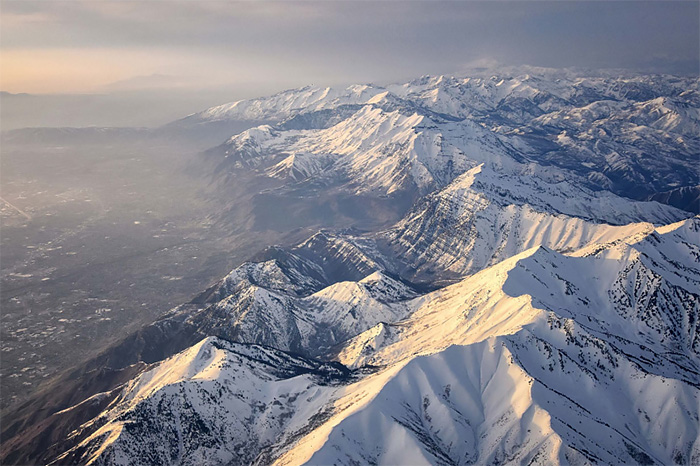
Western Water Assessment (WWA) has just released the Utah Hazard Planning Tool, which provides resources about the historical incidence, current risk, and future projections of natural hazards in the state.
In contrast with the global models used for the latest Intergovernmental Panel on Climate Change Report, a new model offers a 10-fold improvement in spatial resolution over the contiguous United States, to better resolve cities, mountain valleys, thunderstorms, and urban-to-rural air quality variations.
NOAA’s Pacific Marine Environmental Laboratory has released “The Ocean: Earth’s Carbon Dioxide Sponge,” the latest video in the PMEL at Work short video series.