
Participants at the NMME/SubX Science Meeting held September 13-15 at the National Center for Weather and Climate Prediction. Typically, the weather and climate have been ...
Participants at the NMME/SubX Science Meeting held September 13-15 at the National Center for Weather and Climate Prediction. Typically, the weather and climate have been ...
Rapid climate change has affected salmon populations—and the people who depend on them—for decades. NOAA Fisheries and the NOAA Pacific Marine Environment Laboratory are collaborating with an international team of scientists in an expedition to close gaps in understanding about salmon.
NOAA-funded researchers have identified a new record size coral colony at Ta’u Island in American Samoa, even larger than the island’s Big Momma colony, one of the largest in the world.
On January 16, 2025, NOAA Research released an Ocean Carbon Observing Science Plan. Ocean, coastal, and Great Lake carbon observations provide critical information for the development of future climate projections, adaptation and mitigation strategies.
Marine heatwaves, like the one that hit the U.S. west coast in 2014, can have devastating impacts on the environment and economy.
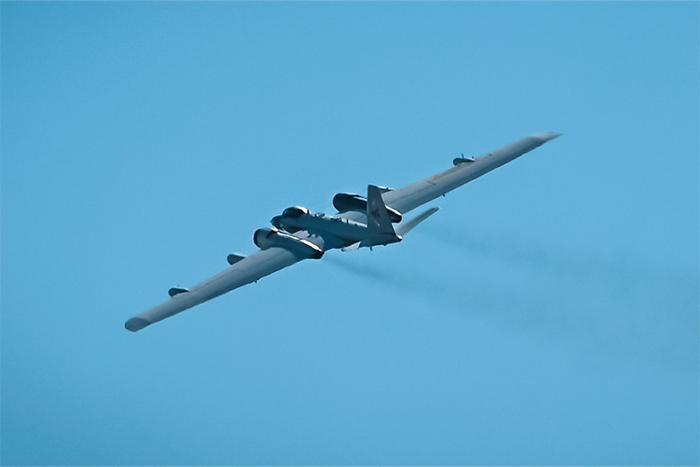
A converted Cold War bomber packed with sensitive instruments is investigating atmospheric chemistry and aerosols over the Arctic. The mission is part of NOAA’s growing Earth’s Radiation Budget research program.
From predicting smoke movement from massive wildfires, to investigating how marine life is responding to a quieter ocean, 2020 was a big year for NOAA science. As this unprecedented year draws to a …

Spectacular footage from inside a hurricane; a major ocean mapping milestone; new insights on the continued impacts of climate change, and much more. As the year draws to a close, we’re taking a look back at a few of our biggest research stories of the last 12 months
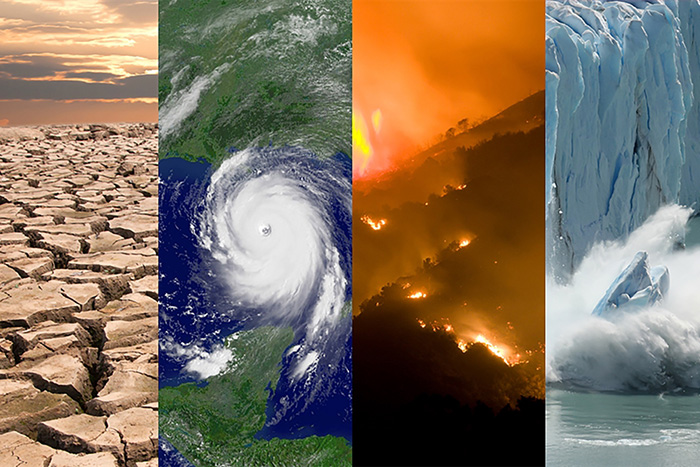
Preparing the nation for the impacts of climate change, tracking greenhouse gas emissions, and better understanding wildfire behavior count among the top achievements of NOAA research in 2022.
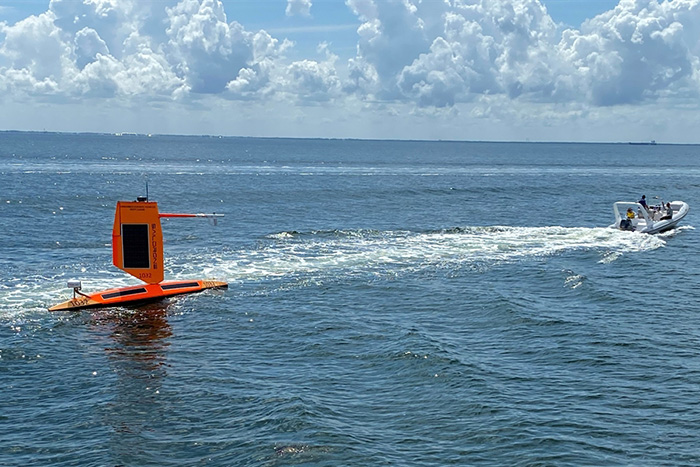
In partnership with NOAA, Saildrone Inc. is deploying seven ocean drones to collect data from hurricanes during the 2022 hurricane, aiming to improve hurricane forecasts. For the first year, two saildrones will track hurricanes in the Gulf of Mexico.