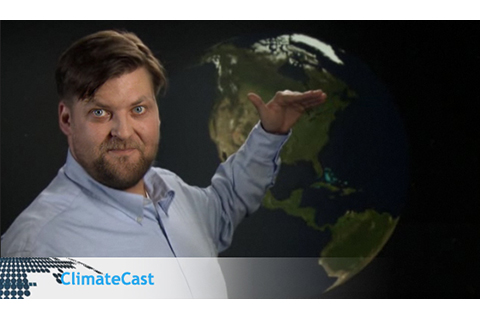
The U.S. had its fourth warmest winter on record. NOAA's Deke Arndt recaps the 2011-2012 winter.
The U.S. had its fourth warmest winter on record. NOAA's Deke Arndt recaps the 2011-2012 winter.

It is virtually certain our world will continue to warm over this century and beyond. The exact amount of warming that will occur in the coming century depends largely on the energy choices that we make now and in the next few decades.
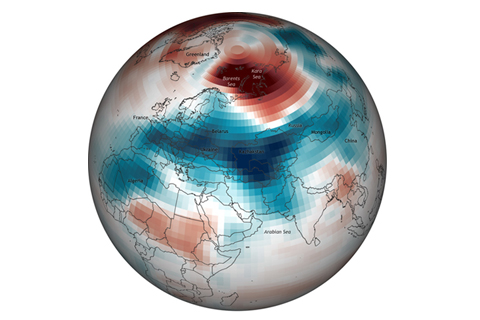
For Europe, the first two calendar months of winter were mild. As if to make up for lost time, however, exceptionally cold weather arrived in late January and remained firmly entrenched for weeks.
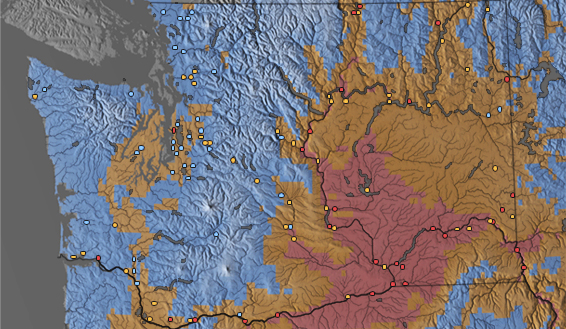
Modeling predicts that increasing greenhouse gas emissions will significantly increase thermal stress on Pacific Northwest salmon in coming decades, making the hard job of restoring endangered wild salmon even harder.
"Climate Science 101" short course sponsored jointly by the Osher Lifelong Learning Institute (OLLI), at George Mason University, and NOAA.

Humans currently release about 70 million tons of carbon dioxide every day into the atmosphere and about 20 million tons is being absorbed regularly by the oceans, causing the pH to drop. Chris Sabine describes current and projected future impacts of this acidification on marine ecology.

Social scientist and communication expert Mathew Nisbet makes the case that endless debates about whether or not global warming is really happening have grown stale and miss the point entirely. Shouldn't we be talking about how society can leverage climate science in ways that save lives and natural resources and create new markets for jobs and services?
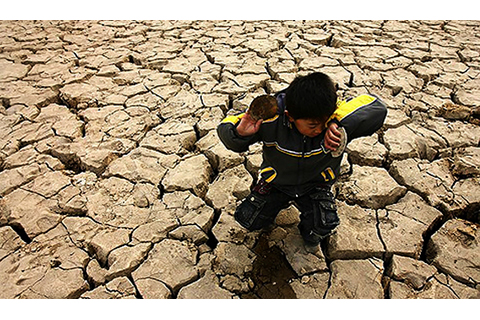
Climate scientist Michael MacCracken explores some of the scientific, legal, and ethical implications of "geo-engineering" options that have been proposed by some people to address global climate change.
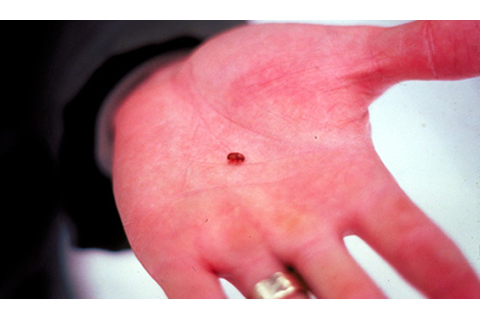
Climate scientist Anthony Janetos makes it clear that climate change isn't some future abstraction: real and substantial impacts on people's lives, the economy, the environment, and our valuable natural resources are already happening here in the United States.

James Roger Fleming presents a historical perspective on how our understanding of Earth's climate system developed through innovations and discoveries by pioneering scientists in the 1800s and 1900s who asked and answered fundamental questions about the causes and effects of global climate change.