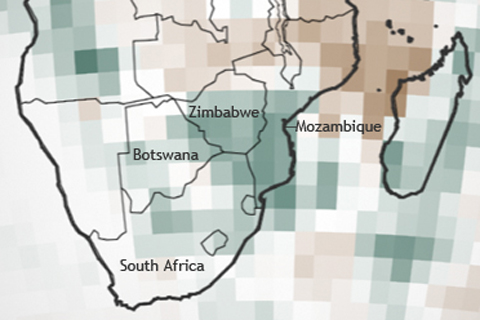
Amid months of persistent heavy rains, some areas in Zimbabwe received their heaviest rainfall in 30 years during January, causing flooding and damage to crops.
Amid months of persistent heavy rains, some areas in Zimbabwe received their heaviest rainfall in 30 years during January, causing flooding and damage to crops.
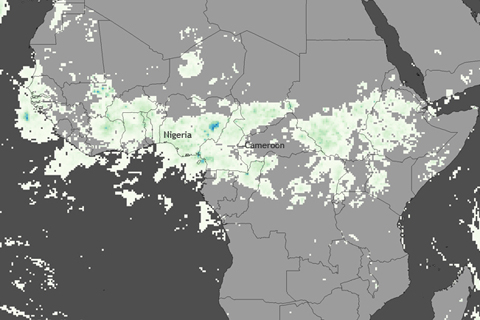
In August 2011, over seven inches of rain fell in a six-hour downpour in southwestern Nigeria. The torrential rains caused flooding and damage to infrastructure, buildings, and homes.
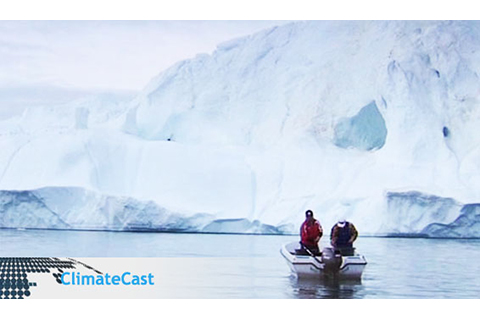
This year’s Arctic Report Card emphasizes that climate change is more prominent in the Arctic than at lower latitudes.
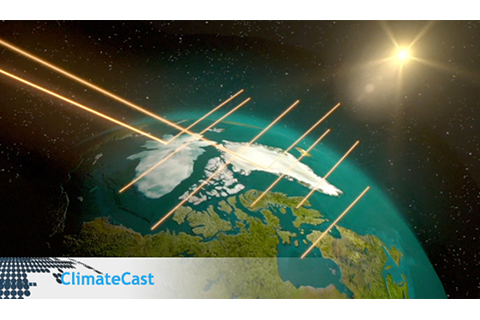
Jackie Richter-Menge describes the "Arctic amplification" phenomenon: how the loss of Arctic sea ice leads to further warming.
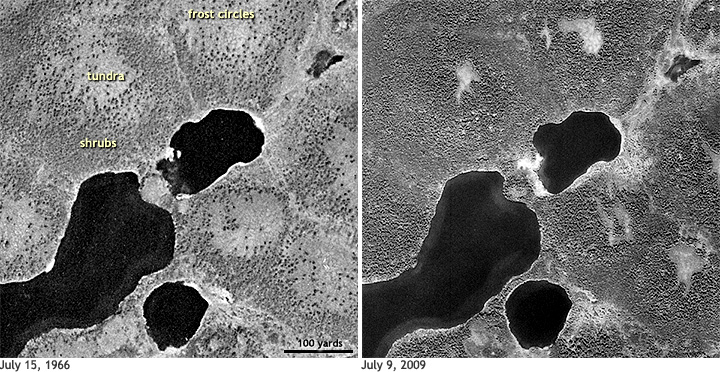
The Arctic of recent years—warmer, greener, less icy—is likely to be the new normal for the Far North. One sign of the ongoing transformation of the Arctic is the spread of shrubs across the tundra.
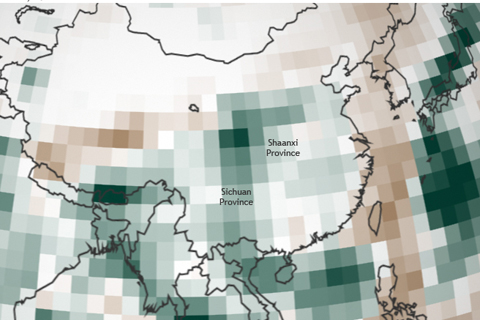
More than a week of torrential rain in mid-September 2011 caused deadly floods across Sichuan, Shannxi, and Henan provinces in China.
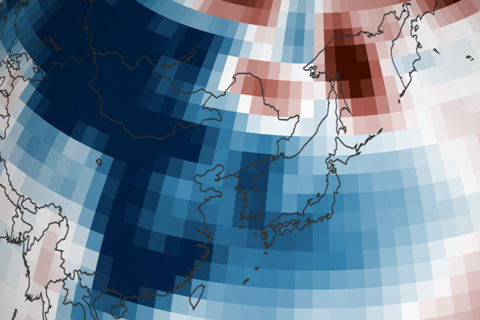
Cold weather settled over Japan and the Korean Peninsula in January 2011, and for the first time since 1986, Japan experienced below-normal January temperatures.
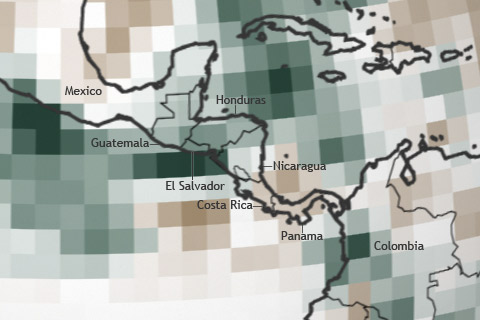
From October 10-20, 2011, two separate storm systems dumped nearly five feet of rain across southern Central America, causing flooding and landslides in several areas.
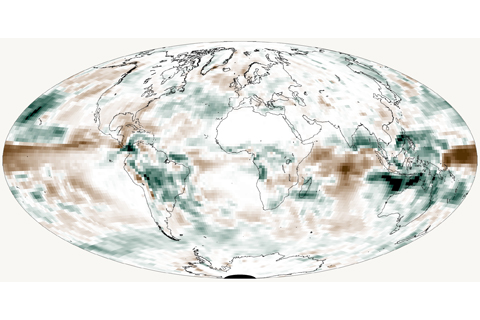
Seasonal precipitation patterns across the globe showed large differences from average in 2011, with several areas receiving heavy rains during more than one season of the La Niña-influenced year.
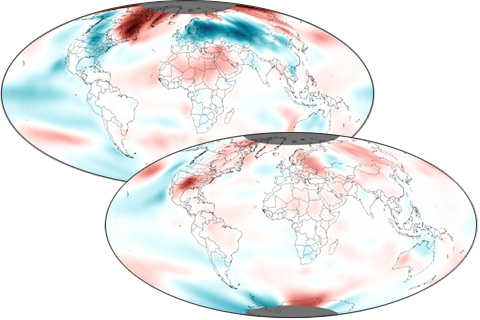
A year-long La Niña contributed to dramatic variability in seasonal temperature patterns in 2011.