
The first formal state climate assessment for Nevada, it covers heat, drought, snow loss, flood and wildfire risk changes associated with impacts to public health, water resources, habitats, ...
The first formal state climate assessment for Nevada, it covers heat, drought, snow loss, flood and wildfire risk changes associated with impacts to public health, water resources, habitats, ...
Want to contribute to the National Climate Assessment? The U.S. Global Change Research Program (USGCRP) is soliciting individuals to serve as Review Editors for the Fourth National Climate ...
Want to contribute to the National Climate Assessment? The U.S. Global Change Research Program (USGCRP) is soliciting individuals to serve as Review Editors for the Fourth National Climate ...
For the first time ever, NOAA Office of Education’s undergraduate scholarship programs hosted virtual internships due to ongoing COVID-19 prevention efforts. While nothing can replace a summer spent…
For the first time ever, NOAA Office of Education’s undergraduate scholarship programs hosted virtual internships due to ongoing COVID-19 prevention efforts. While nothing can replace a summer spent…
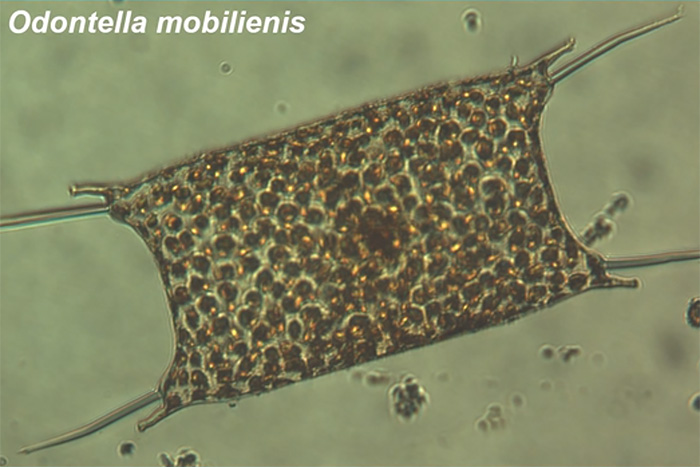
Phytoplankton strongly influence ocean carbon storage, so scientists want to understand what affects these tiny organisms. A new study identifies solar radiation as the most important driver of phytoplankton biomass.
A potentially high-impact study sponsored by NOAA CPO’s Modeling, Analysis, Prediction, and Projections (MAPP) program titled “Influence of the El Niño/Southern Oscillation on tornado and hail ...
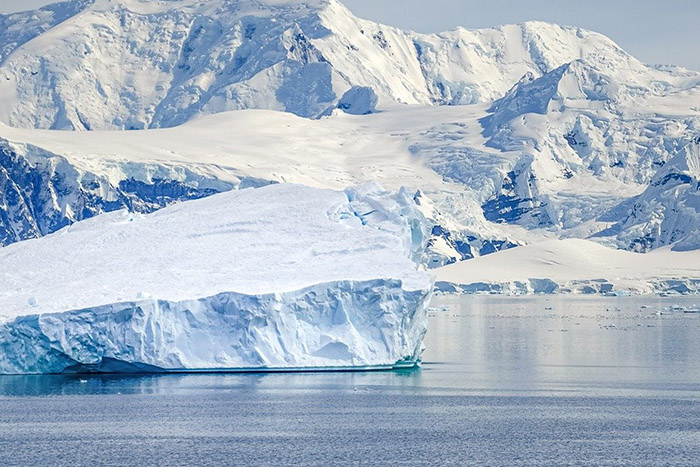
A new study uses computer modeling to explore how injecting reflective particles into the atmosphere might slow Antarctic ice melt. The study finds that location matters; a single injection in the Northern Hemisphere could increase Antarctic melt.
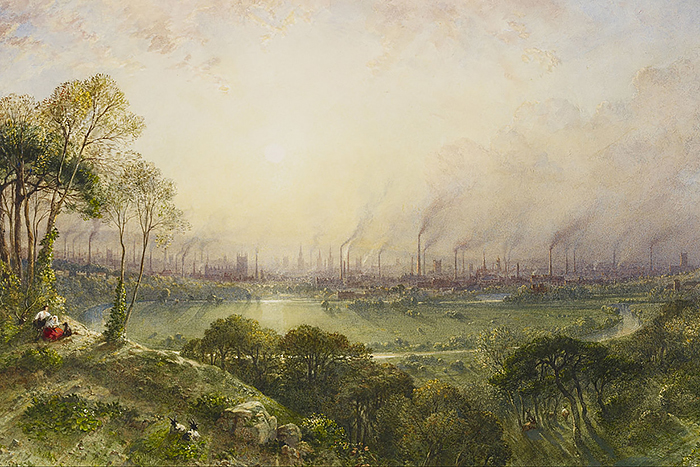
Prior to the Industrial Revolution, CO2 levels were consistently around 280 ppm for almost 6,000 years of human civilization. Carbon dioxide measured at NOAA’s Mauna Loa Atmospheric Baseline Observatory reached 421 parts per million in May 2022.
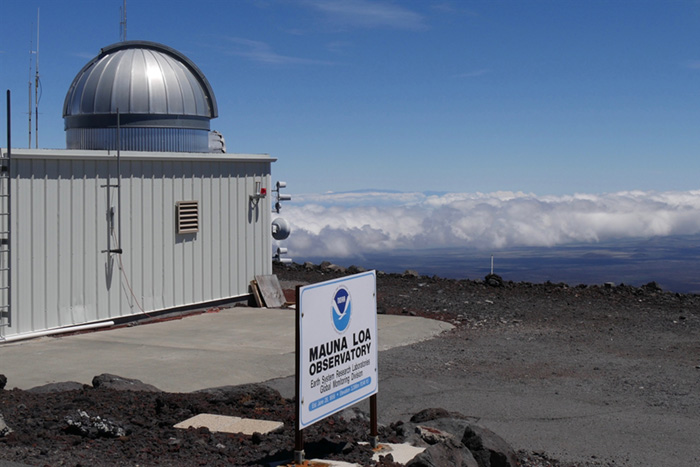
Atmospheric carbon dioxide measured at NOAA’s Mauna Loa Atmospheric Baseline Observatory peaked for 2021. In May, the monthly average reached 419 parts per million (ppm), the highest level since accurate measurements began 63 years ago.