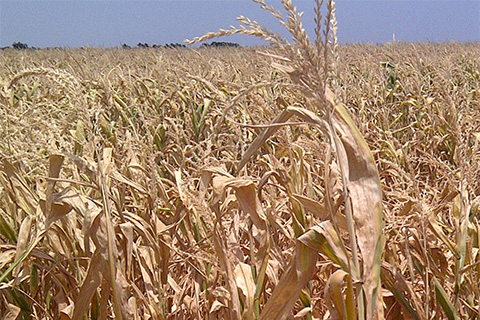
Drought is about more than lack of rainfall. A new tool keeps track of another major player: how thirsty the atmosphere is.
Drought is about more than lack of rainfall. A new tool keeps track of another major player: how thirsty the atmosphere is.
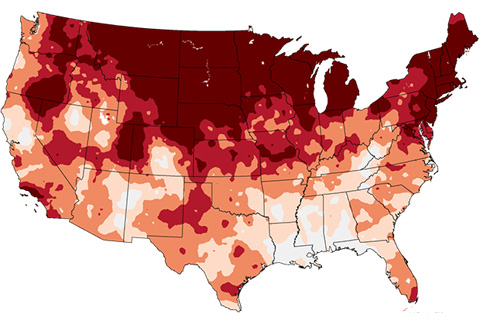
Our climate is changing. To help our users see how different times and places are warming at different rates, NCEI has created a new series of trend maps for the contiguous U.S. In this blog, NCEI's Jake Crouch gives us a show and tell featuring the new maps.
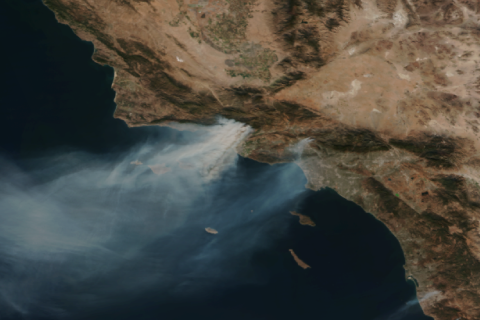
Uncommonly large wildfires for so late in the season devastated parts of southern California, especially in areas around Los Angeles.
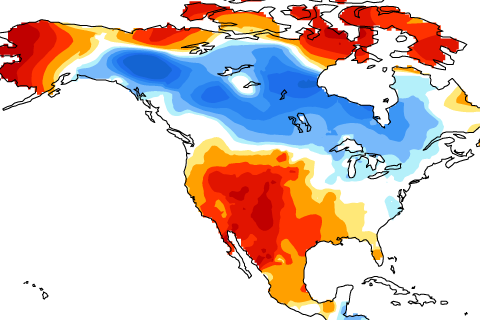
La Nina conditions are solidly in place, and are expected to affect global weather through the winter.
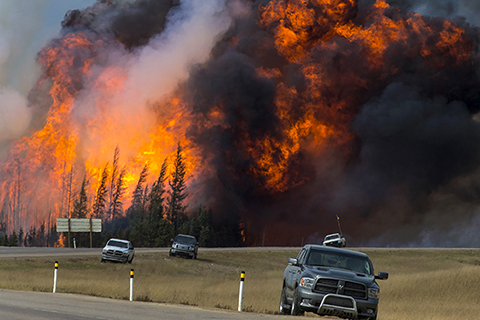
Now in its sixth year, a NOAA-led report published by the American Meteorological Society provides the results of more than two dozen studies of various extreme weather and climate events in 2016 and the role global warming did or didn't play in them.
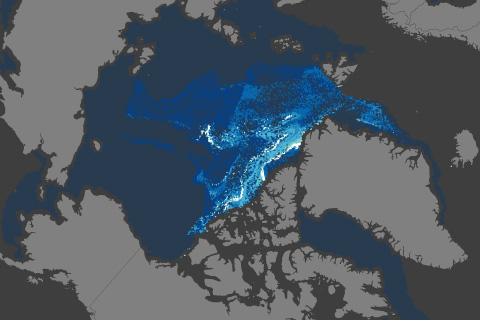
Very old ice—thick, strong, and more melt-resistant—has nearly vanished in the Arctic. In March 2017, it made up less than 1 percent of the ice pack.
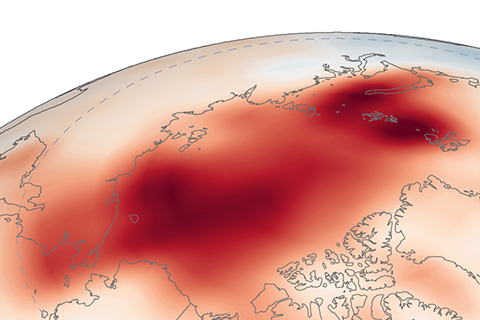
Spring and summer temperatures in the Arctic were cooler in 2017 than they have been in many years this decade, but the annual average surface temperature was still the second highest on record.
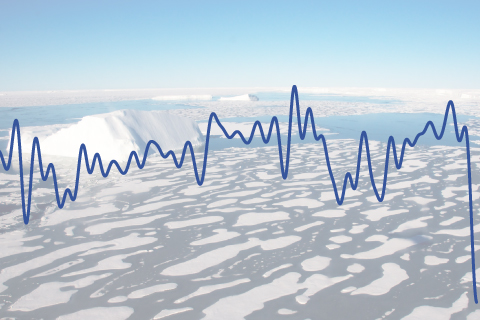
Paleoclimate records show that while there have been several periods over the past 1,450 years when sea ice extents expanded and contracted, the decrease during the modern era is unrivaled.
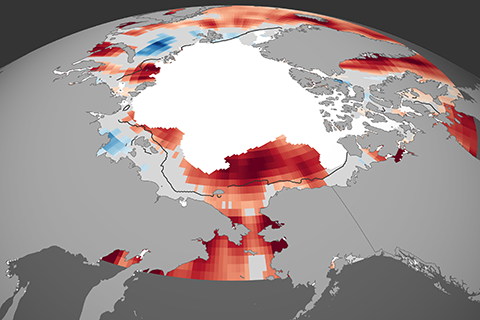
Since 1982, the rate of surface warming in some Arctic seas at the height of summer is more than quadruple the rate of warming in the global ocean.
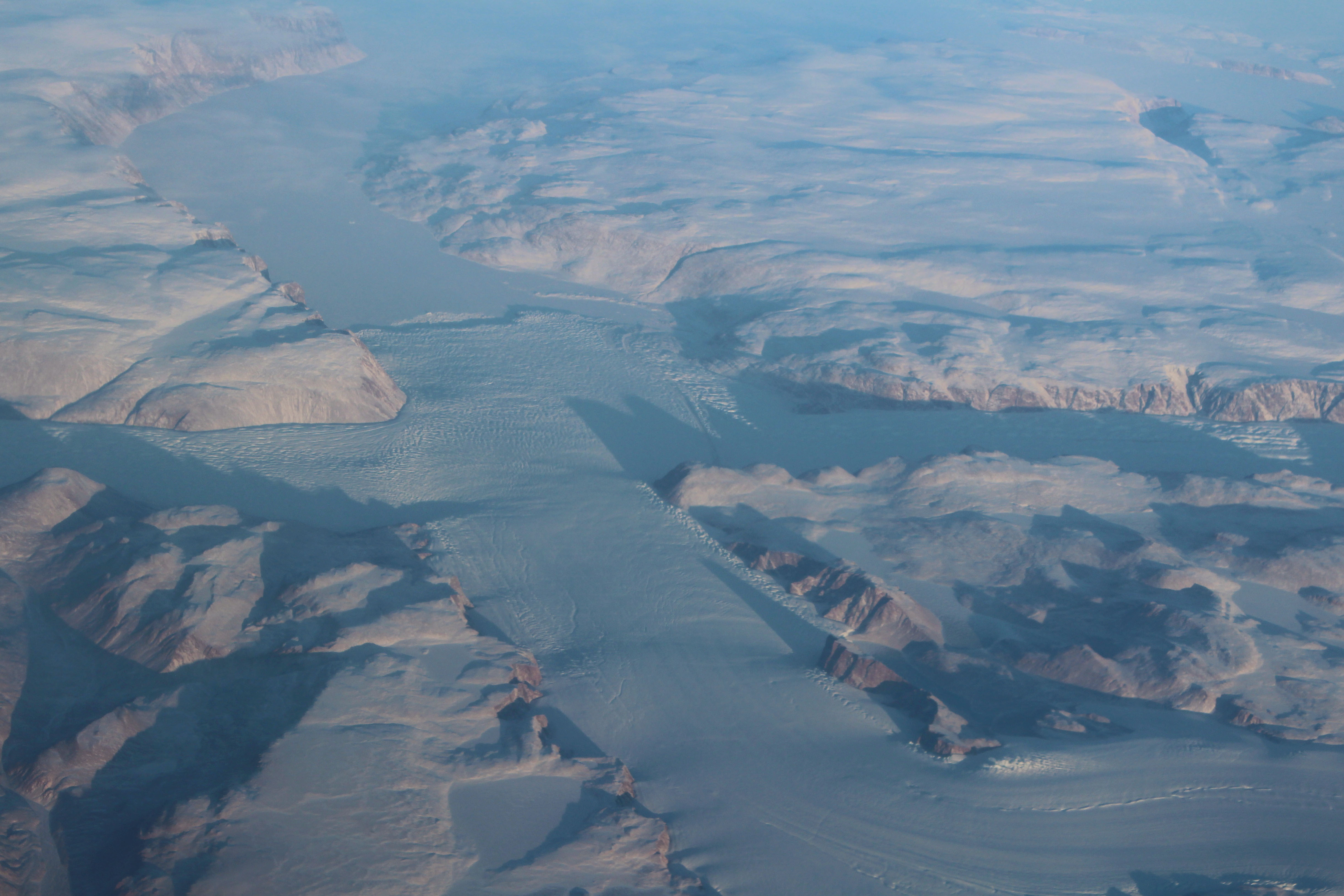
NOAA scientists have released the 2017 Arctic Report Card: the complete guide to climate conditions in the planet's Far North.