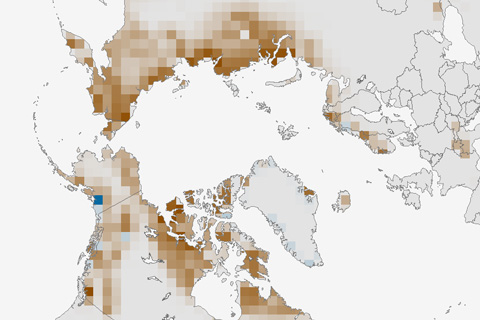
In 2012, sea ice melted to a record-breaking minimum extent. At the end of the summer melt season, ice covered only about half of the average area it did from 1979–2000.
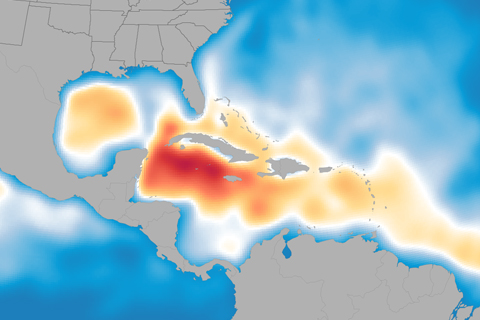
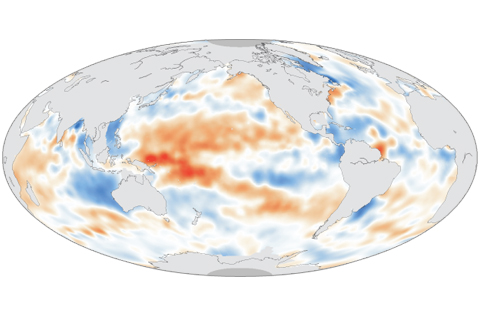
The ocean’s ability to store and release heat over long periods of time gives it a central role in stabilizing Earth’s climate system. But when the ocean absorbs more heat than it releases, its heat content increases. Warming causes water to expand, raising global sea level. Higher water temperatures can also threaten marine ecosystems, disrupting fisheries and the people who depend upon them. The upper ocean held more heat than average in 2012 in most of the major ocean basins, with the exception of the Pacific Ocean.
Sea surface temperature—the average temperature of water at the surface of the global ocean—is a key indicator of the ocean's status.
Observing temperature patterns in the lower stratosphere—second major layer of the atmosphere—gives scientists clues about our planet’s changing climate.
The Southwest received a double-whammy welcome to summer in June: the region was both much hotter and much drier than usual.
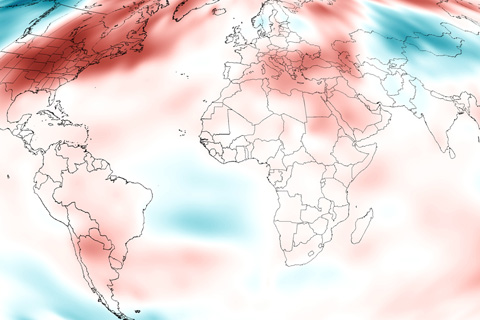
In June 2013, many areas of the world experienced higher-than-average monthly temperatures. According to the latest statistics from NOAA’s National Climatic Data Center, the globally averaged…
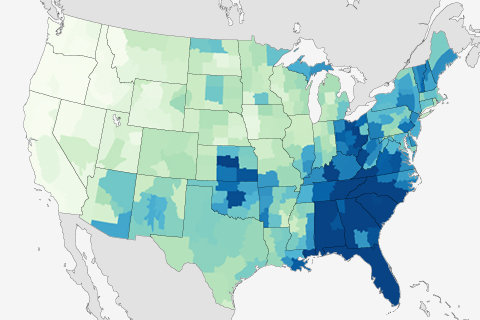
For the first six months of 2013, the contiguous United States has been nearly split in half by temperature and precipitation differences. Much of the East has been dealing with below- or near-normal temperatures, above-normal precipitation, and flooding while much of the West has been dealing with above-normal temperatures, below-normal precipitation, and drought.
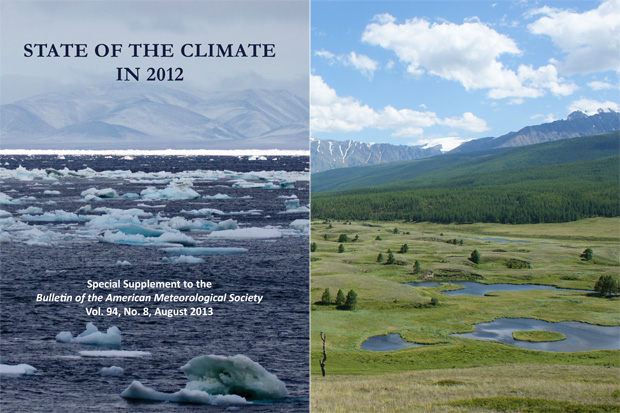
From devastaing fires to the year's strongest cyclone, explore this interactive map of significant weather and climate events documented in the State of the Climate in 2012 report.
They say the grass is always greener on the other side of the fence, and that was certainly true in June. Throughout the month, two very different stories played out in the contiguous United States. While the drought-stricken West fell into the grips of an intense heat wave, East Coasters were bombarded by summer thunderstorms.
Summer thunderstorms are likely to improve drought conditions in the Southwest, but drought will likely persist across much of the West.