
CPO’s Laura Petes is the lead author of “Science integration into U.S. climate and ocean policy,” which appeared in the August issue of Nature Climate Change . The pace of environmental change lends…
CPO’s Laura Petes is the lead author of “Science integration into U.S. climate and ocean policy,” which appeared in the August issue of Nature Climate Change . The pace of environmental change lends…
Nearly five million people in the United States live within four feet of the local high-tide level. In the next several decades, many of these regions will experience the effects of coastal flooding…
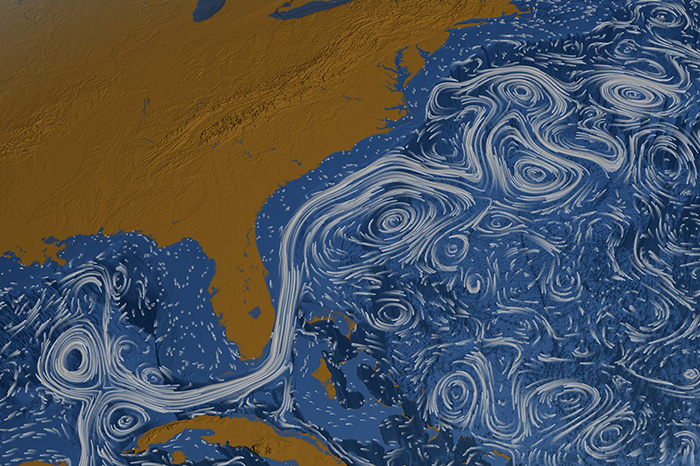
A new study shows a link between ENSO variations in the Pacific, and anomalies in the Florida Current three months later. This finding may give scientists a three-month lead time to better predict coastal sea level anomalies and possibly extreme weather events.
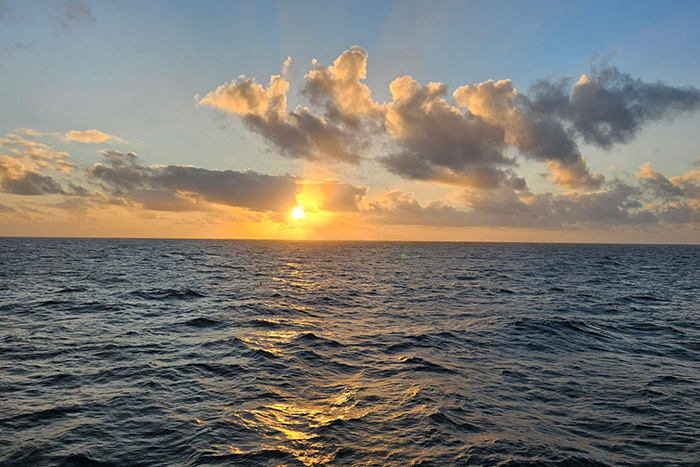
Every year, scientists at AOML participate in developing the annual Global Carbon Budget Report, an assessment of global carbon emissions. The effort includes the exchange of carbon between the ocean and the atmosphere.
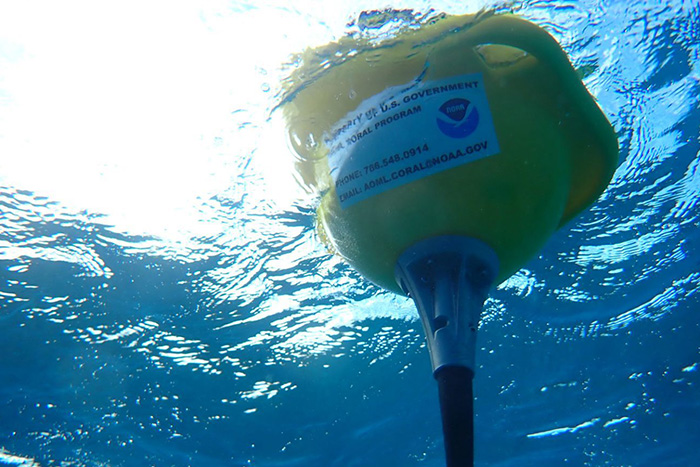
Scientists have deployed a new series of Sofar “Spotter” buoys at four of the seven Mission: Iconic Reefs within the Florida Keys National Marine Sanctuary identified as essential sites for restoration.
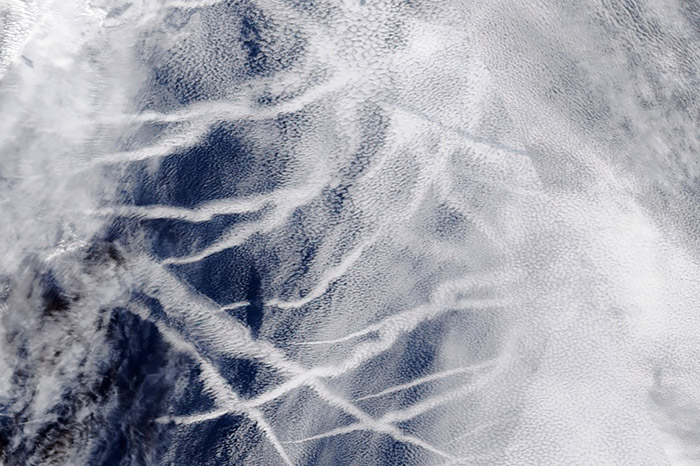
As atmospheric greenhouse gases rise and climate change impacts get costlier, the scientific community is redoubling efforts to investigate the potential risks and benefits of artificially shading Earth’s surface to slow global warming.
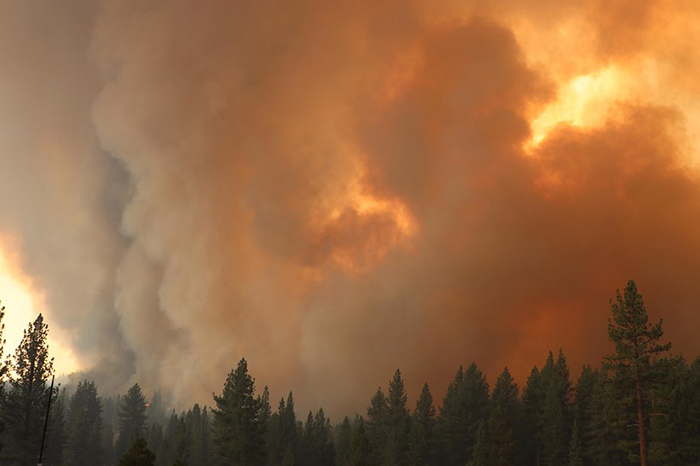
This summer’s western wildfire season is likely to be more severe than average but not as devastating as last year’s near-record, according to an experimental prediction method developed by scientists at the National Center for Atmospheric Research (NCAR).
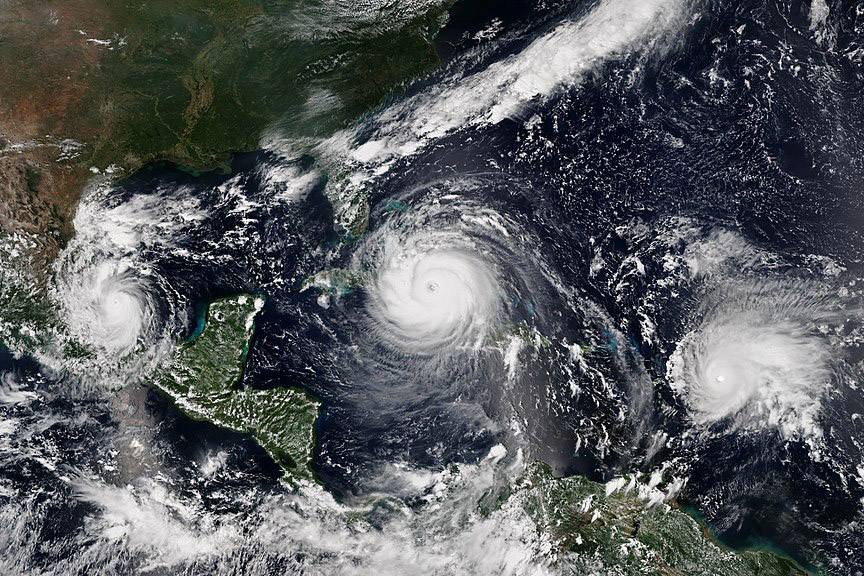
A new study finds that Atlantic Niño, the Atlantic counterpart of the Pacific El Niño, increases the formation of tropical cyclones off the coast of West Africa. The study is the first to investigate the links between Atlantic Niño/Niña and seasonal Atlantic tropical cyclone activity and the associated physical mechanisms.
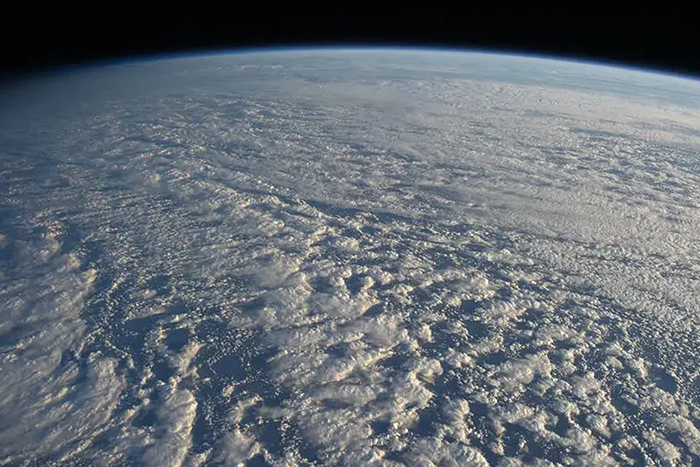
A new study adds to the growing evidence that cloud feedback likely amplifies warming, rather than reducing it. Cloud impacts in the tropical Pacific and Atlantic Oceans are 71% higher than previously thought.