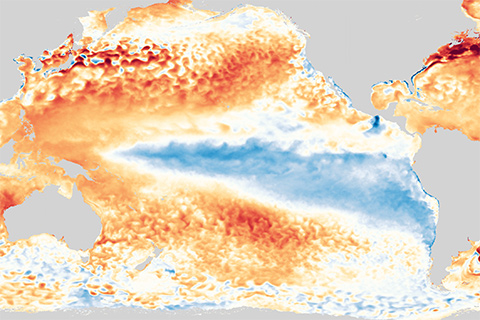
The tropical Pacific seems so far away, yet it affects weather and climate around the world. Our blogger updates you on the current La Niña event and what forecasters think is next.
The tropical Pacific seems so far away, yet it affects weather and climate around the world. Our blogger updates you on the current La Niña event and what forecasters think is next.
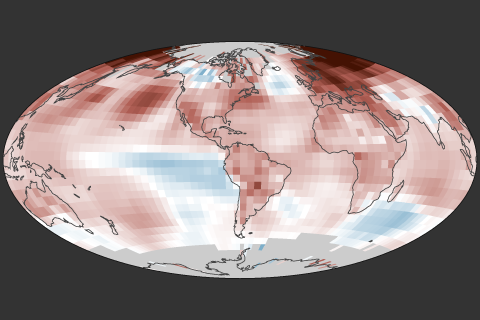
2020 was the second-warmest year on record for the globe overall, and land areas were record warm.
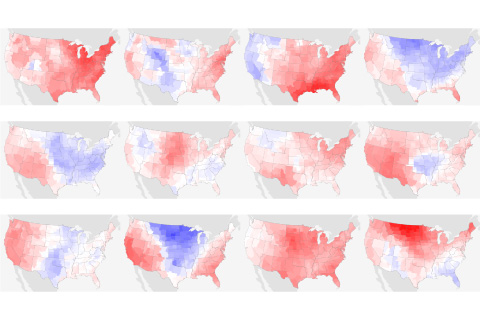
Nationwide warmth was accompanied by extreme precipitation differences: dry conditions in the West and wet conditions in much of the East.
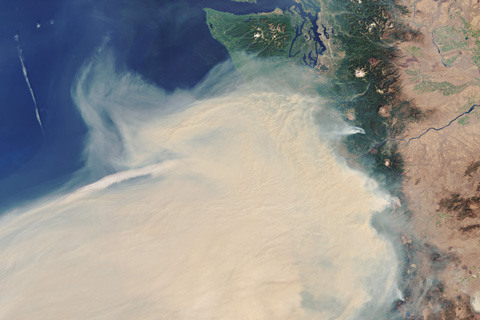
2020 smashed the previous record for billion-dollar weather and climate disasters. NCEI's Adam Smith gives us a full accounting of the year's events.
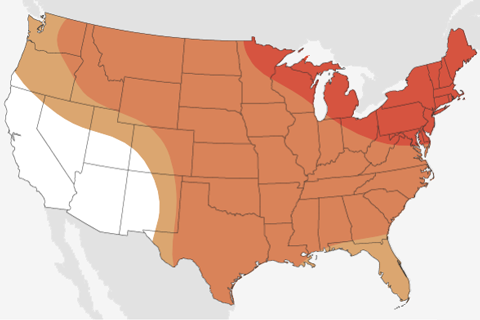
January 2021 is favored to be wetter and warmer than average for much of the country.
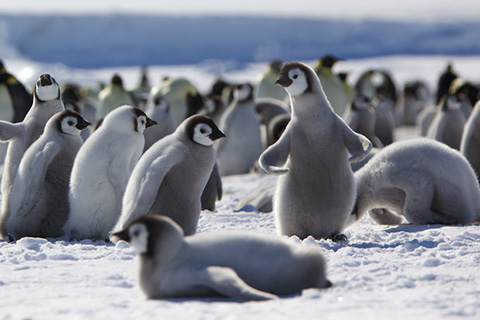
Let's take a trip to the land of penguins and see what ENSO means for Antarctica!
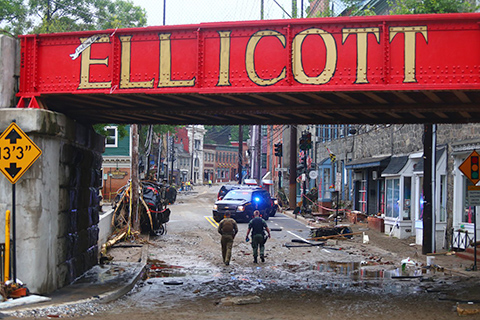
Desde incendios forestales más grandes e intensos hasta inundaciones repentinas más frecuentes, el calentamiento global ha aumentado el costo de los peligros naturales. El gasto actual en infraestructura no es suficiente para cubrir las reparaciones y mejoras.
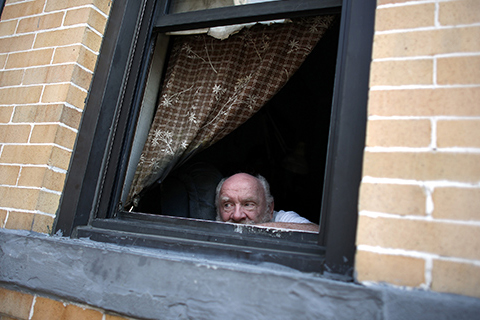
Desde las enfermedades relacionadas con el calor, pasando por la propagación de plagas y patógenos en nuevas zonas, hasta la acumulación de toxinas en los mariscos, es probable que el calentamiento global tenga graves repercusiones en la salud pública.
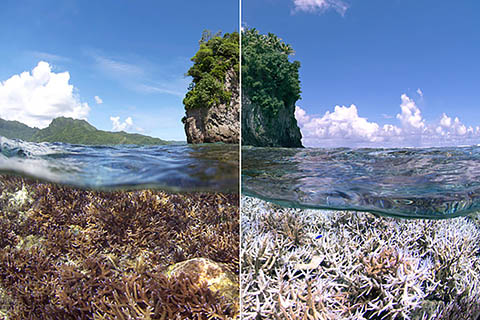
El calentamiento global y el cambio climático relacionado están impactando negativamente a las especies y hábitats de todo el país, incluyendo muchas que son económica y culturalmente importantes para los estadounidenses.
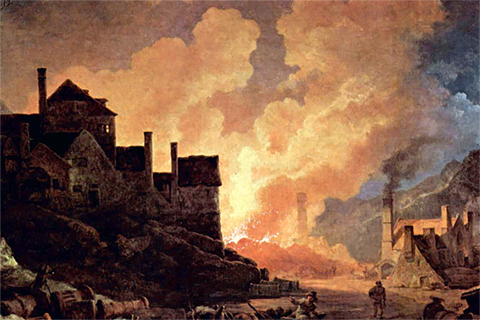
Existen evidencias científicas abrumadoras de que la Tierra se está calentando y una preponderancia de pruebas científicas de que las actividades humanas son la causa principal.