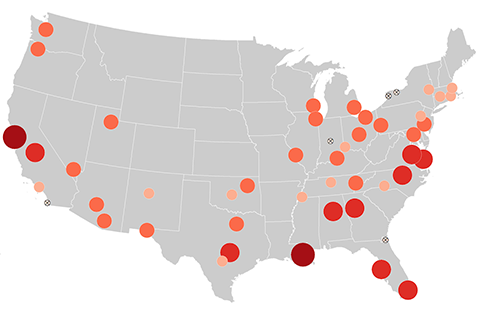
From heat waves to heavy rain, the National Climate Assessment's recently updated collection of indicators shows how climate is changing.
From heat waves to heavy rain, the National Climate Assessment's recently updated collection of indicators shows how climate is changing.
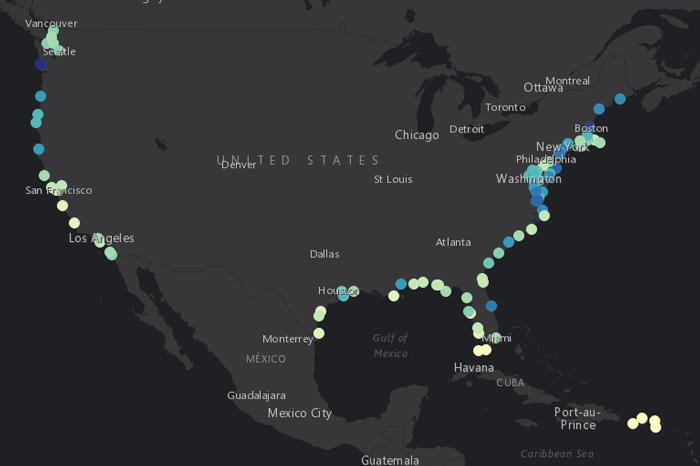
Costly and inconvenient, high-tide flooding of coastal communities is on the rise. Thanks to higher water levels from El Niño and sea level rise, the number of high-tide flood days in 2018 is projected to be 60% higher this year than would have been common around 2000. Find out what's predicted for your city in this interactive map.
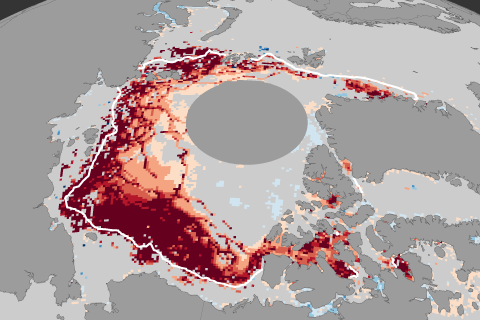
The 2018 Arctic sea ice minimum was not a record low, but it was well below the 1981–2010 average, and it continued the long-term trend of Arctic sea ice decline.
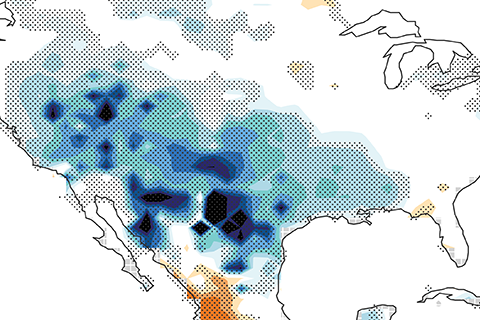
New research suggests the climate change could affect how ENSO impacts temperature and wildfires. Read on to learn what that means.
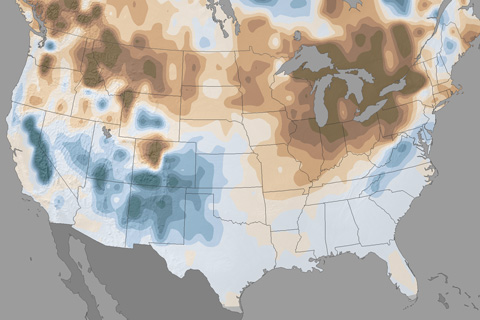
Forecasters think the tropical Pacific climate phenomenon known as El Niño is likely to visit this winter. What might that mean for snow?
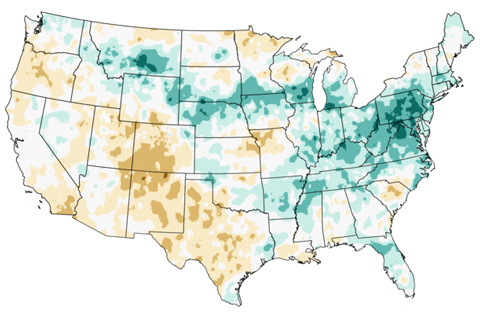
We live in a warming world. And we often characterize that warming through metrics of temperature. But that’s only a sliver of the story. Another sliver, and perhaps a more consequential one, is Big Rain.
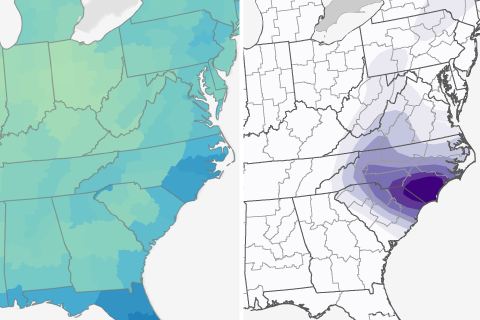
In the bull's-eye of heaviest rainfall predicted for Hurricane Florence, parts of North and South Carolina may see more than 4 times their average September rainfall in a single week.
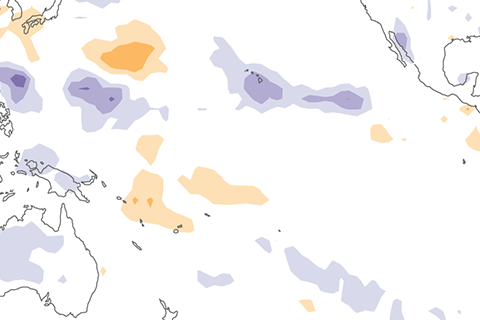
Forecasters are favoring the onset of El Niño conditions this fall. Our blogger gives you the details!
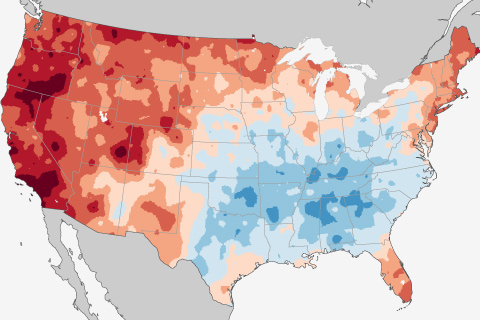
Warming in the West outstrips cooling in the East for a slight overall U.S. warming trend in the first month of fall.
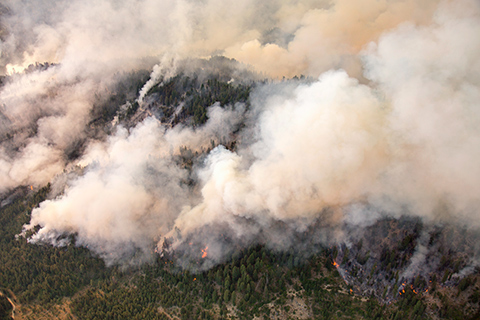
Wildfires are burning larger and more intensely than before, emitting smoke that poses a health risk to people. FIREX will provide information about what chemicals smoke emits in order to keep people healthy.