Climate scientists explain why they’re sure the primary cause of global climate change today is increasing human emission of greenhouse gases — mainly carbon dioxide.
Climate scientists explain why they’re sure the primary cause of global climate change today is increasing human emission of greenhouse gases — mainly carbon dioxide.
Climate scientists discuss what they know about global climate change today, and how they know it.

Carbon dioxide is everywhere: in the air, rising from cracks in the ocean floor, and in your soda can. Now it's showing up in the news! Find out why carbon dioxide is such a hot topic, and why it's going to be around for a long, long time.
Richard Feely discusses new findings about how increased carbon dioxide in the atmosphere is making the oceans more acidic, and how that will affect ocean ecosystems and the marine animals that inhabit them.
Richard Feely discusses new findings about how increased carbon dioxide in the atmosphere is making the oceans more acidic, and how that will affect ocean ecosystems and the marine animals that inhabit them.
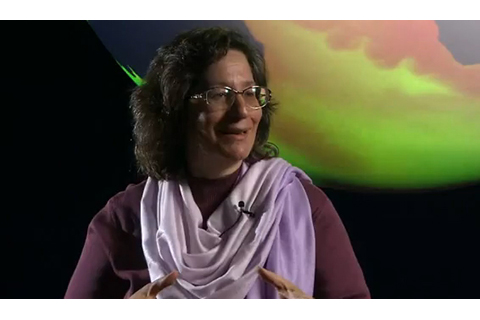
NOAA's Susan Solomon was awarded the 2009 Volvo Environment Prize for her pioneering contributions in atmospheric chemistry and physics.

In early March of 2020, communities around the country were preparing to respond to the COVID-19 pandemic. Schools and businesses faced closures, and people everywhere were dealing with…
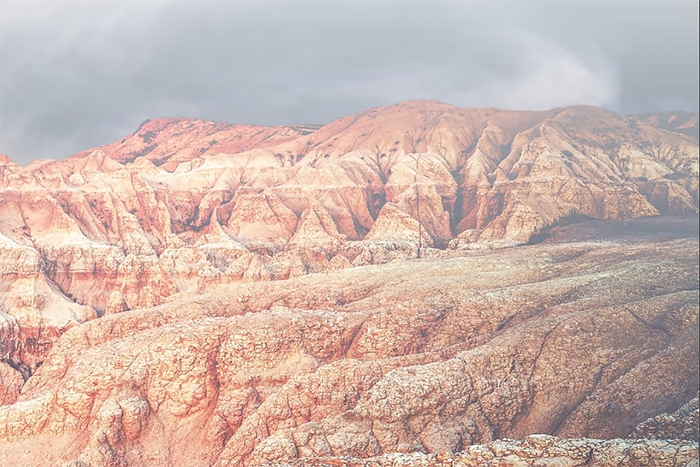
Approximately $2 million has been allocated to support tribal drought resilience. This investment will help tribal nations address current and future drought risk while informing decision making and strengthening tribal drought resilience in a changing climate.
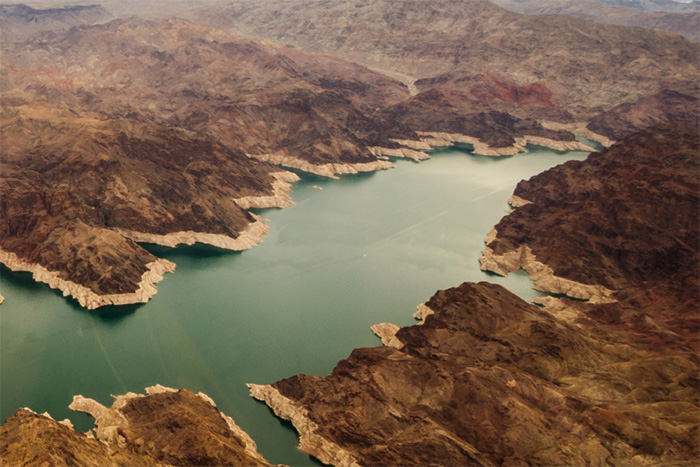
A new study concludes that, in southwestern North America, 2000–2021 was the driest 22-year period since at least the year 800. The study used tree rings to reconstruct past climates, including periods of megadroughts occurring between 800 and 1600.