
A new virtual reality simulation will use the idea that “seeing is believing” to show people why coastal evacuation orders are so important during storms.
A new virtual reality simulation will use the idea that “seeing is believing” to show people why coastal evacuation orders are so important during storms.
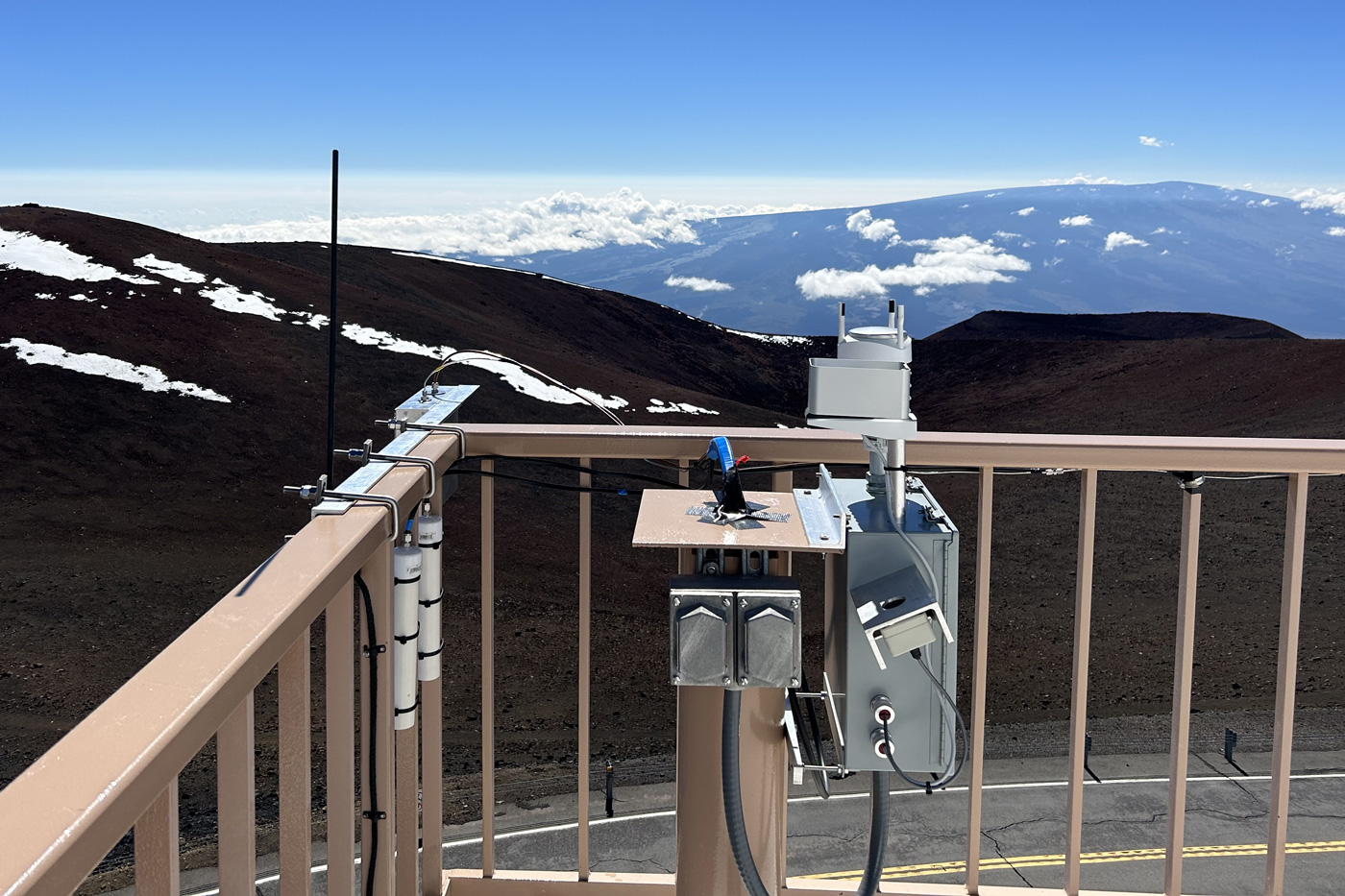
Annual increase in Keeling Curve peak is one of the largest on record.
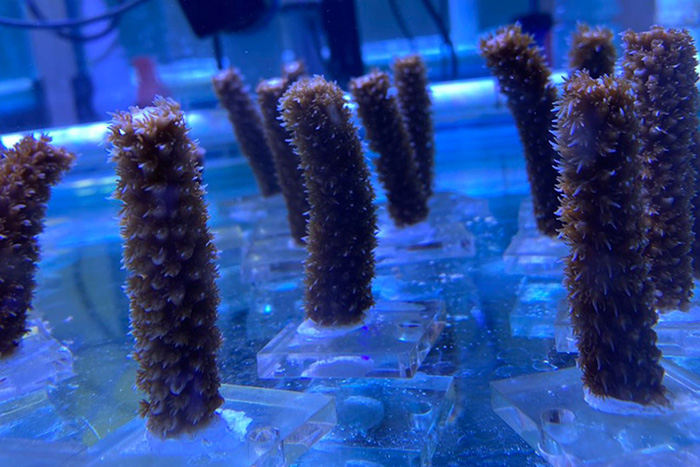
In a recent study published in the journal Coral Reefs, scientists at NOAA’s Atlantic Oceanographic and Meteorological Laboratory (AOML) found that staghorn coral (Acropora cervicornis) fragments exposed to an oscillating temperature treatment were better able to respond to heat stress caused by warming oceans.

CPO-funded researcher Dr. Melissa Kenney was the lead author on a paper published in the journal Climatic Change. The paper “Building an integrated U.S. National Climate Indicators System,” appeared…
The U.S. National Climate Indicators System is a climate dashboard, led by the U.S. Global Change Research Program (USGCRP), that monitors and analyzes specific physical, ecological, and societal ...
An above-normal 2020 Atlantic hurricane season is expected, according to forecasters with NOAA’s Climate Prediction Center, a division of the National Weather Service. The outlook predicts a 60%…
A CPO-funded study published in Geophysical Research Letters concluded that although tropical Pacific sea surface temperatures hit a record high during the 2015-2016 El Niño, impacts to marine ...

The use of sulfuryl fluoride as a pesticide has raised concerns due to its potent greenhouse gas properties. A new study reveals California as the largest emitter, particularly in coastal regions such as Los Angeles, Orange, and San Diego counties.
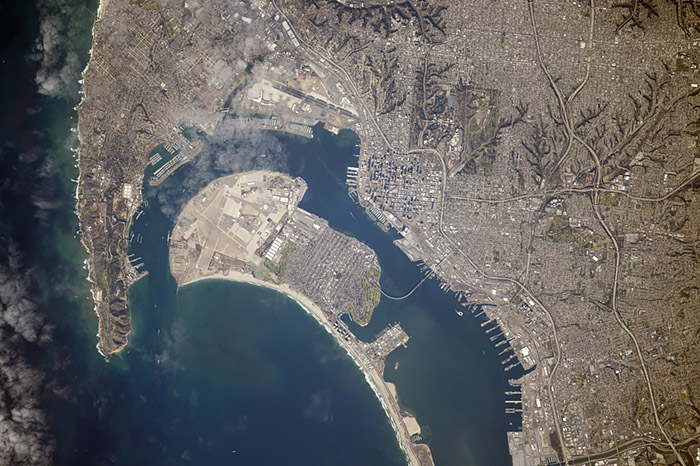
NOAA has worked with the American Planning Association to produce a new report proposing a framework for climate resilience planning in the San Diego region. Some of the threats covered in the report are unique to the region; some threats have already happened in other U.S. regions.