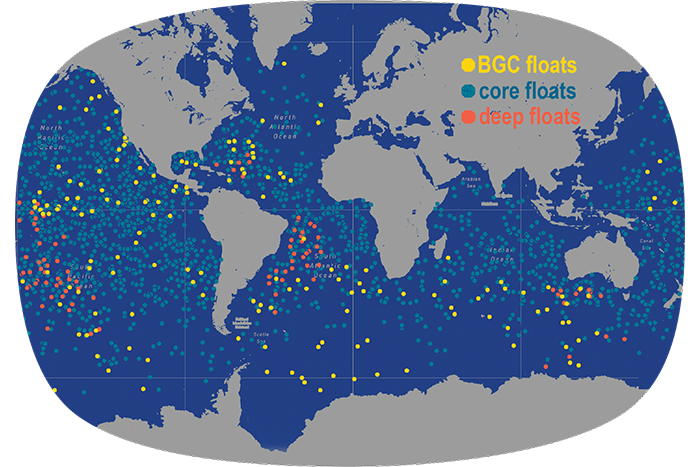
The Pacific Marine Environmental Laboratory seeks high school teachers and classrooms to join its Adopt-a-Float program. Floats will measure ocean variables to understand the impacts of climate and ecosystem changes.
The Pacific Marine Environmental Laboratory seeks high school teachers and classrooms to join its Adopt-a-Float program. Floats will measure ocean variables to understand the impacts of climate and ecosystem changes.
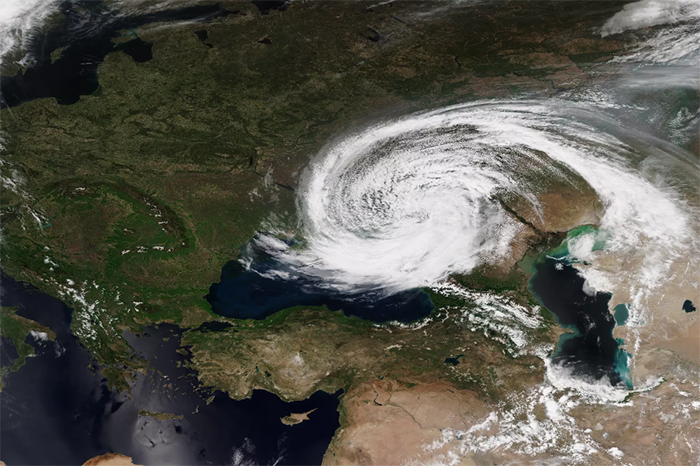
Modeling suggests that, under a warming climate, extreme near-surface wind speeds will increase by up to 3 percent towards the poles while decreasing by a similar amount in the lower midlatitudes.
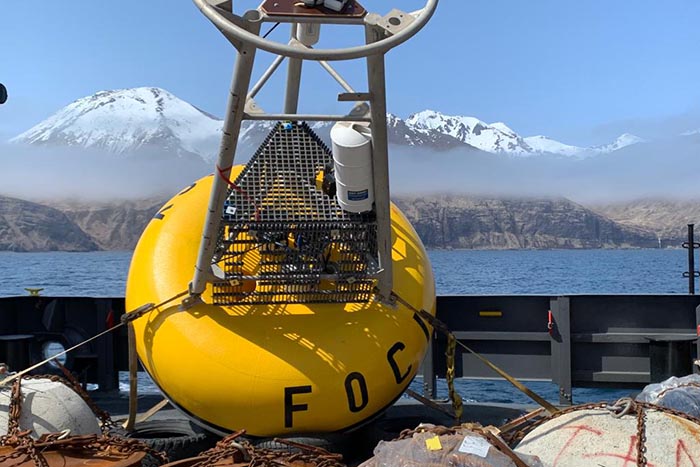
At current rates, the Global Carbon Budget estimates, there’s a 50 percent likelihood that global average air temperatures will regularly exceed the 1.5-degree Celsius target (2.7 degrees Fahrenheit) by 2031.
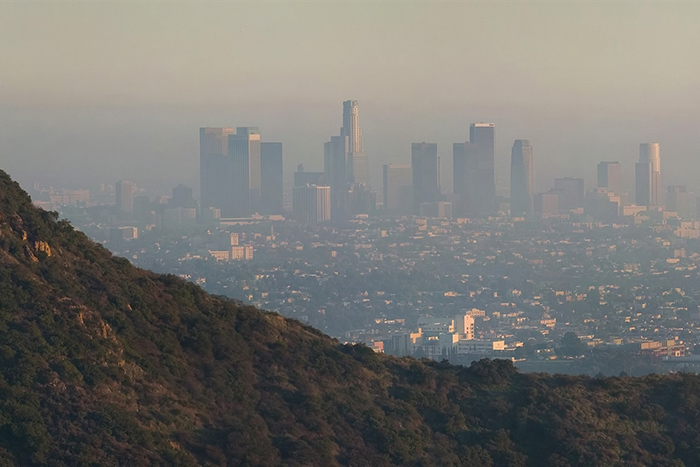
Population aging and economic development setbacks may outpace the health benefits of less air pollution and slowed climate change. This finding comes from a new study on air quality and the factors most likely to impact future premature deaths.
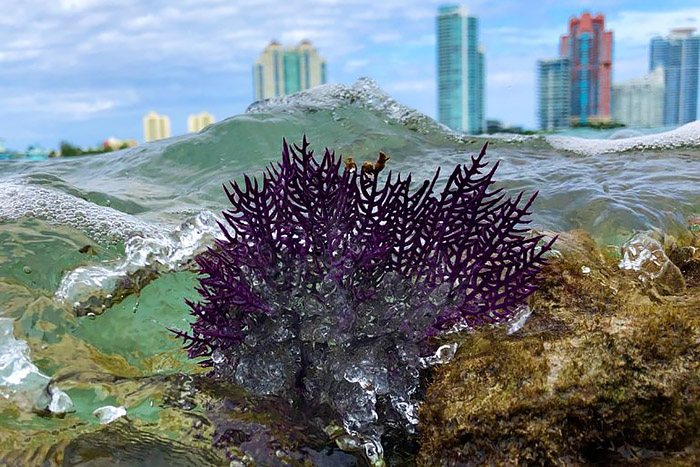
A new study finds the corals within the Port of Miami’s urbanized environment have demonstrated great resilience against unfavorable conditions, such as poor water quality, excess nutrients, high temperatures, high salinity, and low pH levels.
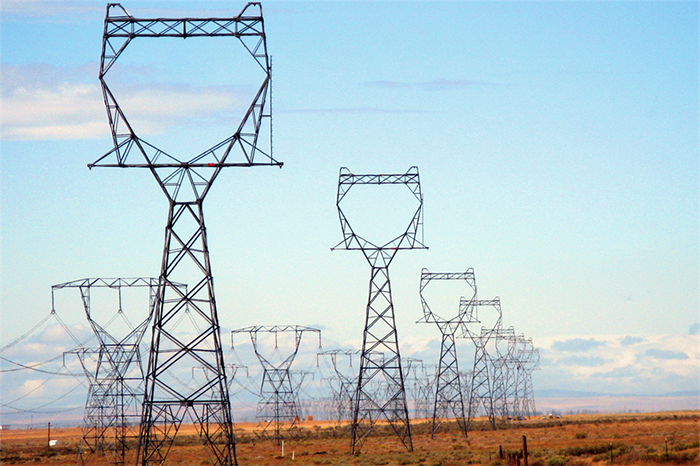
A new NOAA analysis shows US emissions of the super-potent greenhouse gas sulfur hexafluoride have declined over 2007-2018, likely due to successful mitigation efforts by the Environmental Protection Agency (EPA) and the electric power industry.
