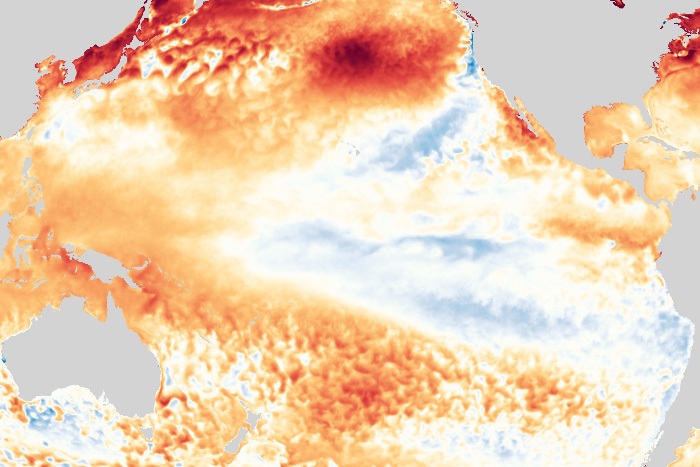
La Niña conditions are likely to develop soon. Our blogger gives you the low-down on all things tropical Pacific.
La Niña conditions are likely to develop soon. Our blogger gives you the low-down on all things tropical Pacific.
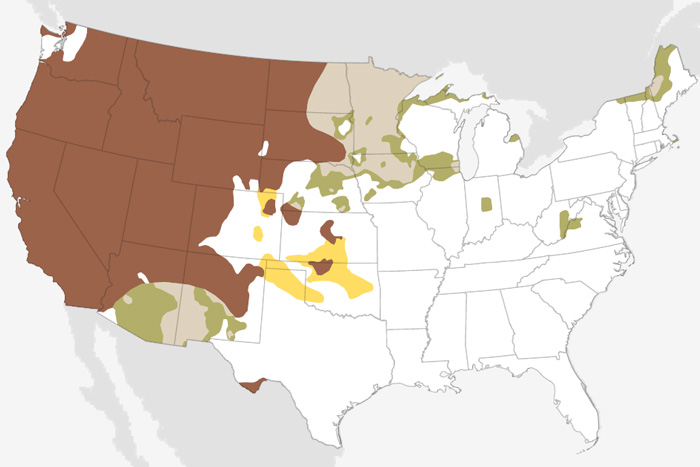
Large parts of the country show no tip in the odds toward either a cold or warm September temperature outcome. The rainfall associated with Hurricane Ida's remnants is likely to be enough on its own to lead to a wetter-than-average September for areas in its path.
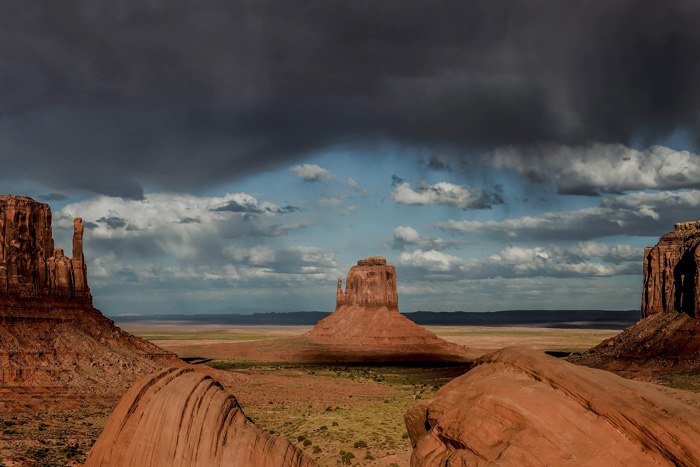
Let's take a tour through North America's summer monsoon, a critical source of rainfall for the U.S. Southwest and Mexico.
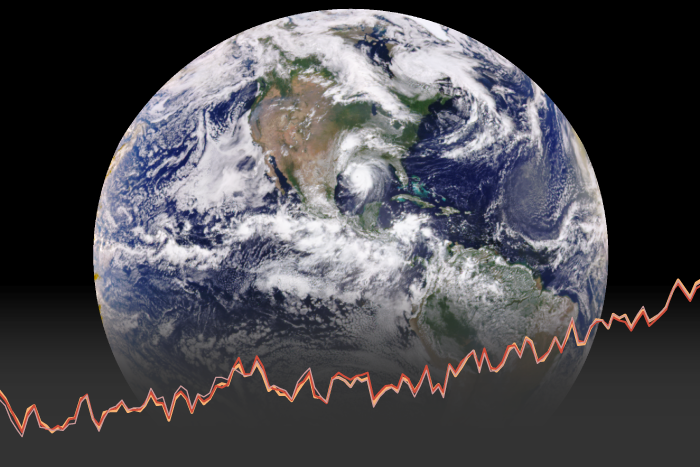
International report confirms 2020 was among three warmest years on record.
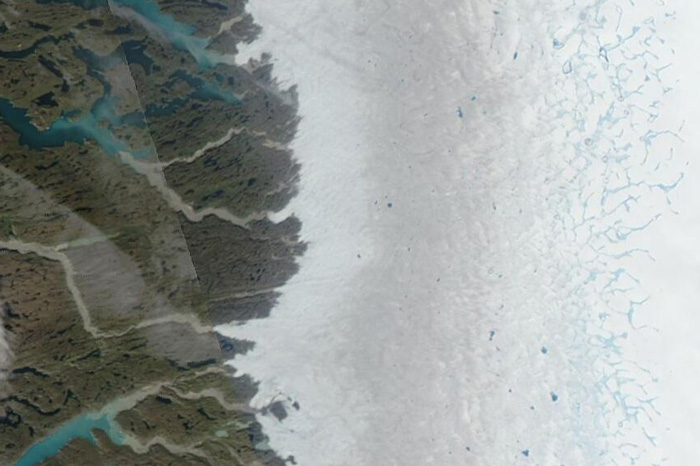
In mid-August 2021, a late-summer heatwave struck Greenland, causing widespread melt on the ice sheet and rain at the summit.
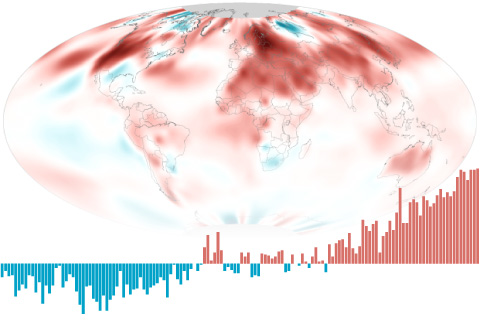
Global average surface temperature in July—the hottest month of the year on average—set a new record in 2021. It's virtually certain that the year will go on to become one of the ten warmest years in the historical record.
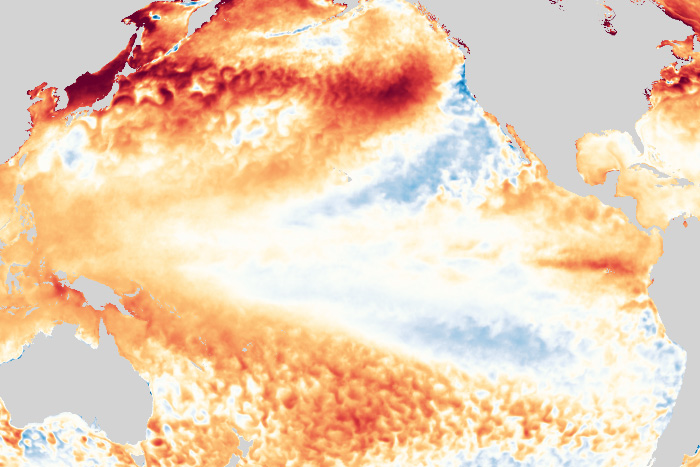
Neutral conditions are hanging on, but for how long? Our blogger explains why a return to La Niña this fall/winter is looking more likely.
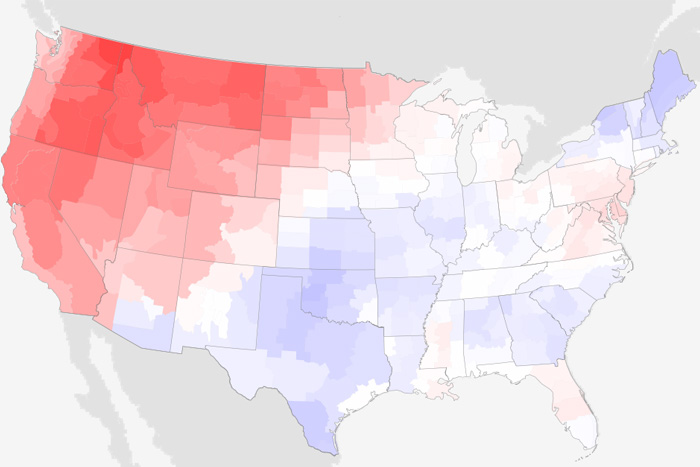
Stories of drought, extreme heat, and fires dominated the weather headlines for the West in July. The central and eastern U.S. were wet and relatively cool.
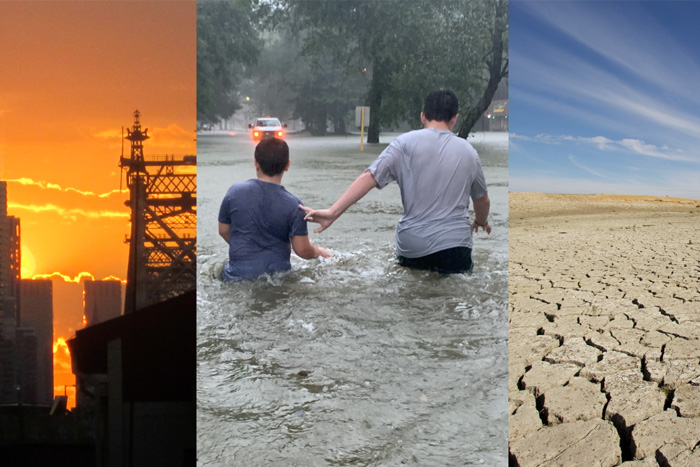
The findings of their review of more than 14,000 studies are clear: climate change is affecting nearly every part of the planet, and there is no doubt that human activities are the cause.
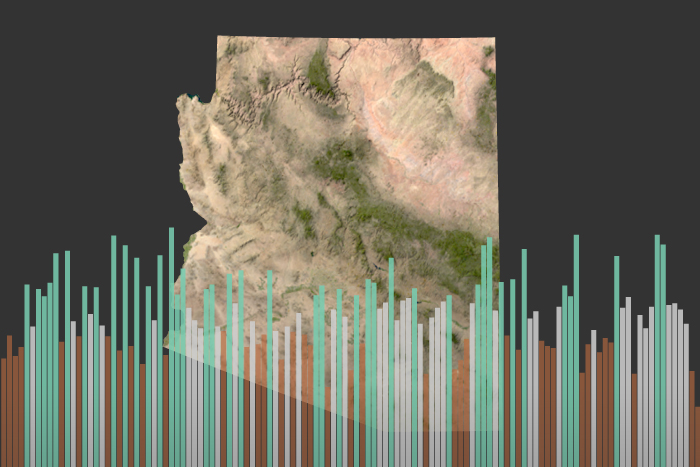
Much of the U.S. Southwest is near-desert. What does drought even mean in a place like that?