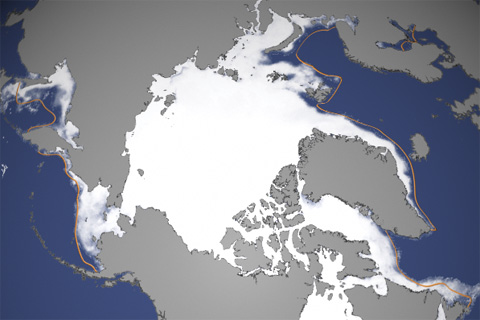
It’s finally here! Yesterday, scientists from the National Snow and Ice Data Center announced the ultimate sign of spring: Arctic sea ice reached its winter peak on March 21, 2014, and the annual melt season is underway.
It’s finally here! Yesterday, scientists from the National Snow and Ice Data Center announced the ultimate sign of spring: Arctic sea ice reached its winter peak on March 21, 2014, and the annual melt season is underway.
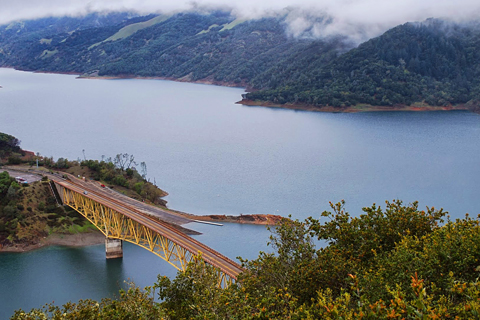
Federal law may protect the river habitat in the name of endangered fish, but on land, grapevines are king. This article is the first in a two-part series about how scientists are helping find compromise amid local tensions over water supplies.
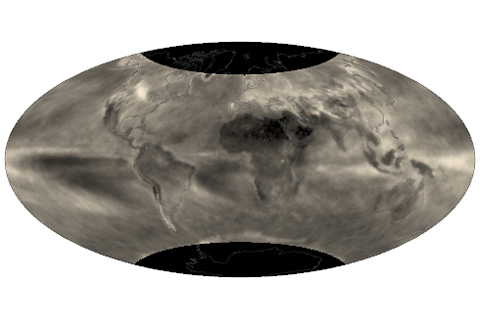
How much sunlight Earth reflects naturally varies a lot. The bigger the range of natural variability, the greater the odds that any evidence of a manmade effort to brighten up the planet would be lost in the “background noise.”
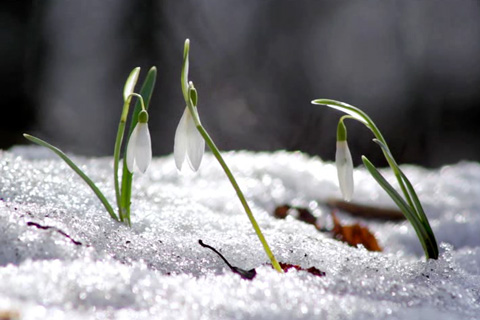
On March 20, 2014, NOAA's National Weather Service issued its Spring Outlook, covering flooding, drought, temperature, and precipitation through June. A cold and snowy winter in the northern plains and Midwest has raised the potential for moderate flooding, but fortunately no areas are in major flood risk this year.
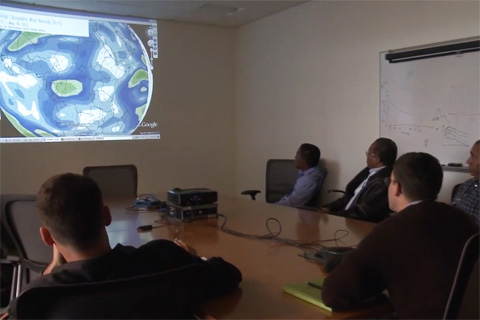
Climate change is a global phenomenon, affecting weather events around the world. Therefore, people around the globe need climate information to anticipate potentially damaging floods, droughts, crop and pest conditions, and disease outbreaks. For 20 years, the scientists at the International Desks of NOAA’s Climate Prediction Center have provided climate outlooks for weeks and months into the future and trained visiting meteorologists to translate climate data into information that can help decision makers in different parts of the world.
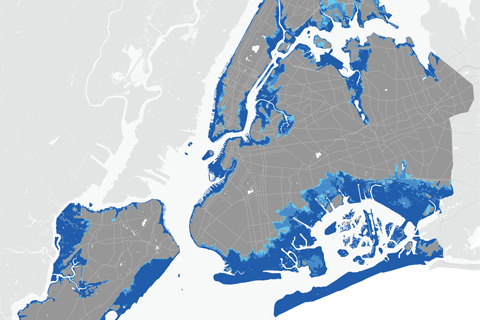
If mid-century projections of sea level rise prove true for New York City, four times as many people may be living in the 100-year floodplain than were previously estimated based only on observed changes.
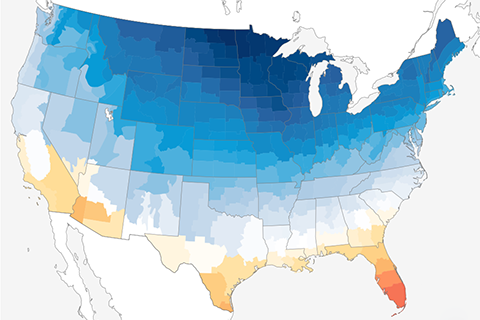
Average temperatures across the contiguous United States in February ranged from frigid to balmy.
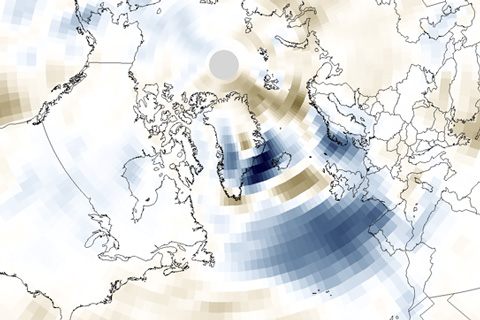
The North Atlantic has spawned an unusually high number of hurricane-force storms this winter, already surpassing last winter's total—and the season isn't over yet.
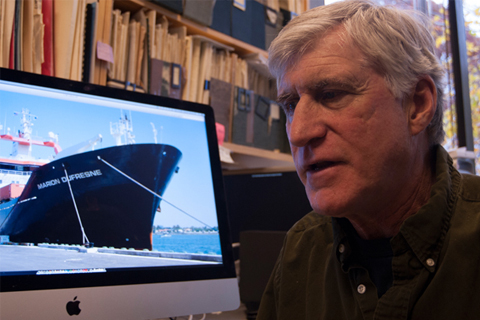
In October 2003, a little-known think tank in the Department of Defense quietly released a report warning that climate change could happen so suddenly it could pose a major threat to our country's national security. Why was the Pentagon worried about abrupt climate change? Because new evidence from Greenland showed it had happened before.
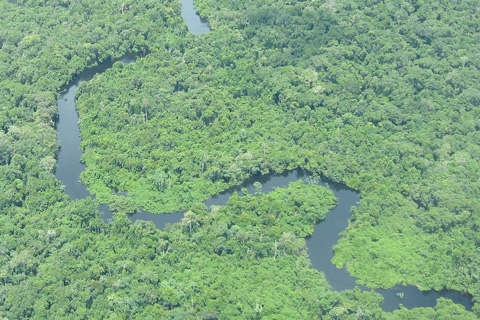
The Amazon Rainforest is a living warehouse for carbon dioxide. As climate changes, the lush tropical ecosystems of the Amazon Basin may release more carbon dioxide into the atmosphere than they absorb. NOAA scientist John Miller talks about how climate conditions in 2010 and 2011 created a natural experiment on how drought affects the Amazon's carbon balance.