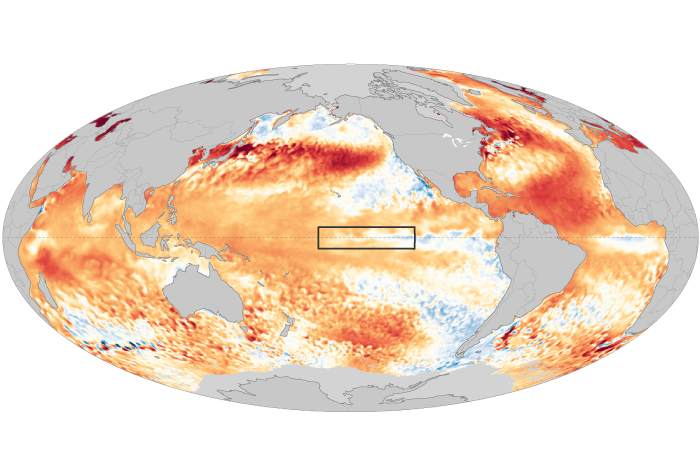
ENSO is taking some time off, but there's a 79% chance of La Niña later this year. The ENSO Blog is always in session, bringing you the scoop on the current forecast.
ENSO is taking some time off, but there's a 79% chance of La Niña later this year. The ENSO Blog is always in session, bringing you the scoop on the current forecast.
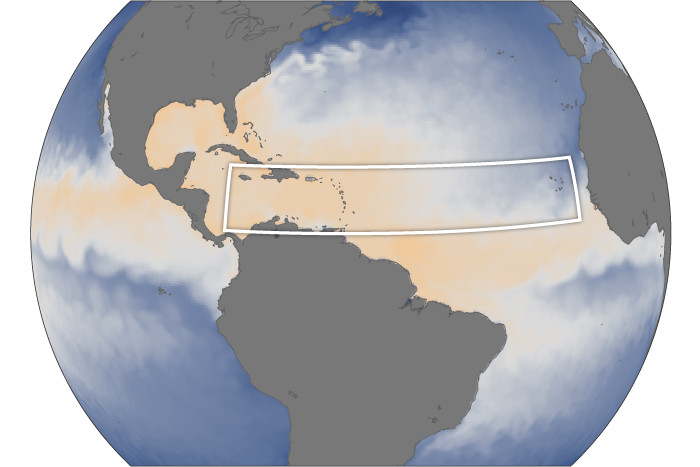
Sea surface temperatures in the Atlantic are more hurricane-friendly so far this season than in the record-setting 2020 season.
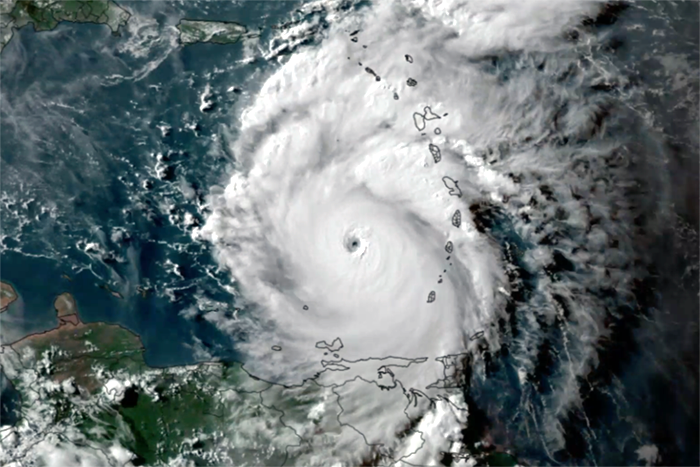
Hurricane Beryl, the first hurricane of the season, rapidly intensified and became a Category 5 storm, breaking records and stunning scientists along the way.
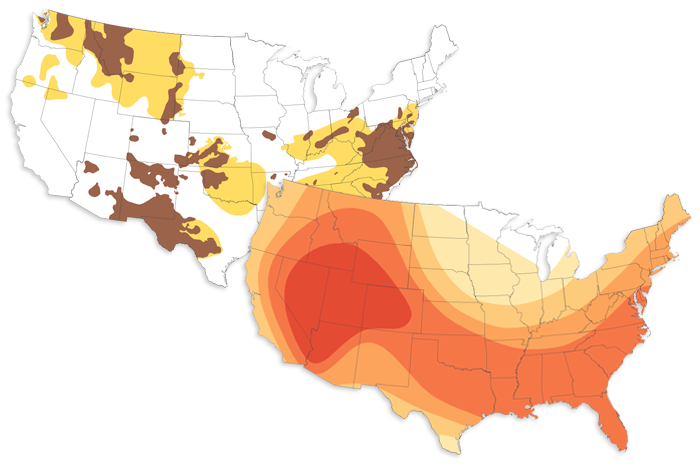
Across the United States, only Alaska has higher-than-average odds of a cool July. Elsewhere, July is favored to be much warmer than average. That heat forecast plays a big role in expectations for significant drought expansion this month.
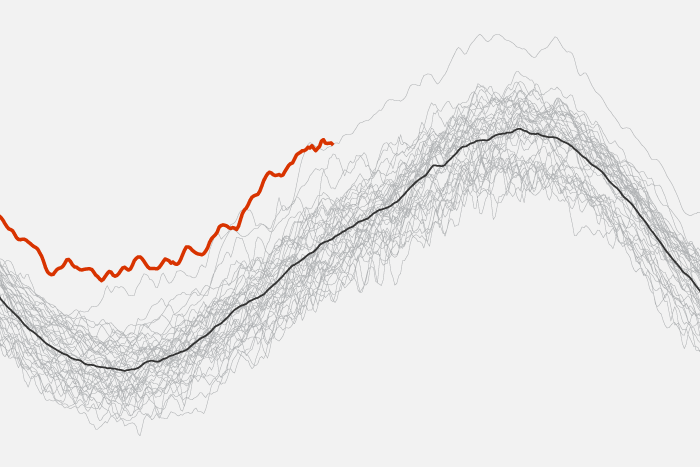
Matthew Rosencrans of the NOAA Climate Prediction Center tells us why NOAA predicts a very active Atlantic hurricane season.

Warming makes similar events more likely, but models may fail to capture important ocean-ice-atmosphere interactions.
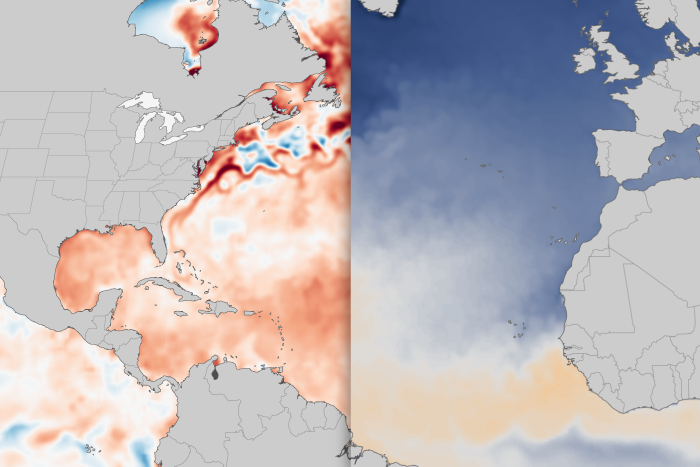
Temperatures across the North Atlantic Ocean have been record hot for more than a year.
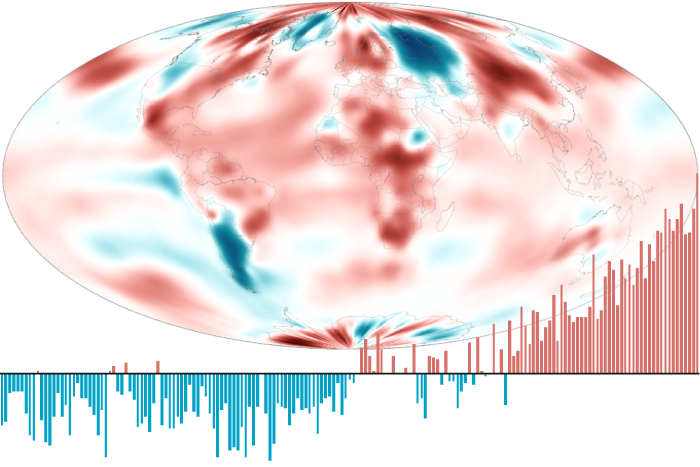
Global temperatures were record warm across both land and ocean in May, capping off the warmest spring on record.
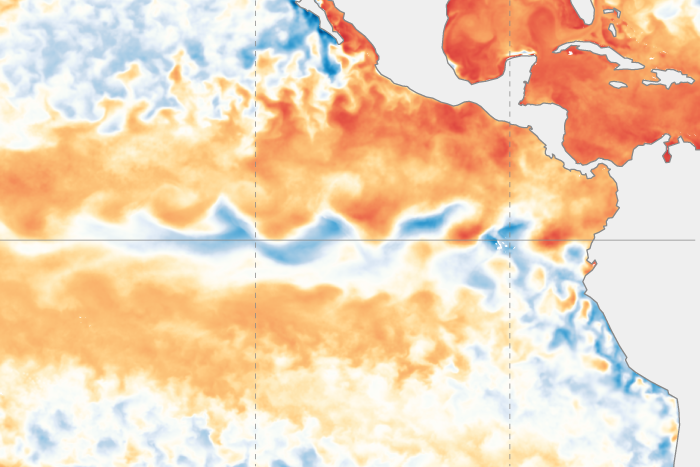
The strong 2023-24 El Niño is over. Based on past events, does a strong El Niño portend a strong La Niña? Maybe, but it's complicated.
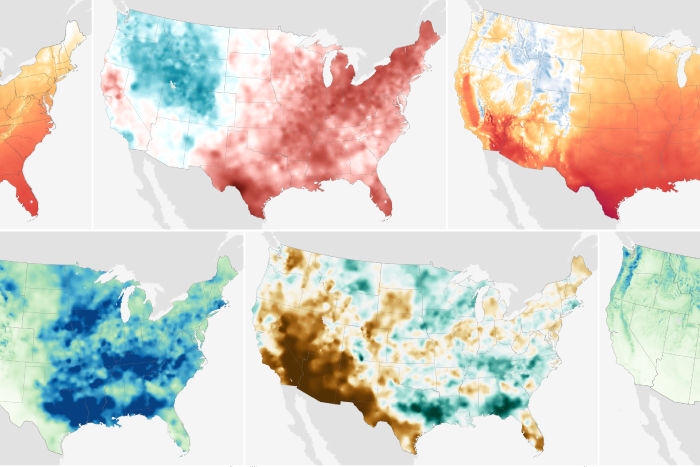
Several rounds of severe storms devastated the Midwest and Great Plains. Four new billion-dollar weather and climate disasters were confirmed in May.