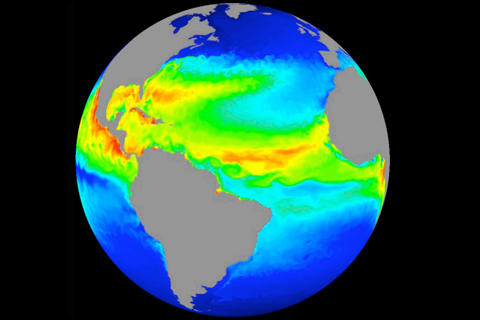
Improved computer models help scientists understand Earth’s ocean.
Improved computer models help scientists understand Earth’s ocean.
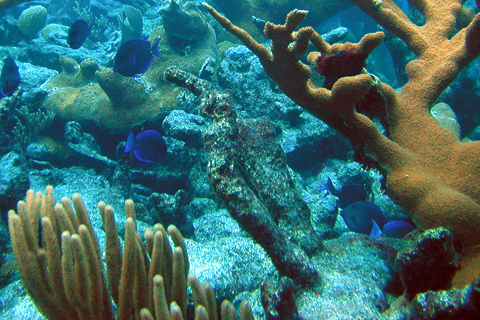
Coral reefs are important and productive ocean ecosystems, providing shelter and protection for diverse sea life. NOAA's latest seasonal outlook for coral bleaching shows potential for bleaching along the Pacific coast of Mexico and islands in the equatorial central Pacific Ocean.
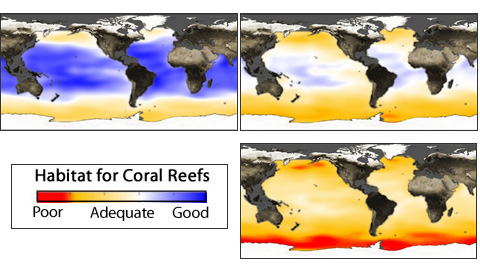
As the ocean absorbs atmospheric carbon dioxide, the pH of the water drops. The more acidic water harms corals and other shell-building sea life.
“If the sea level goes up two or three feet along the coast of Maine in this century, that’s a very significant change.”
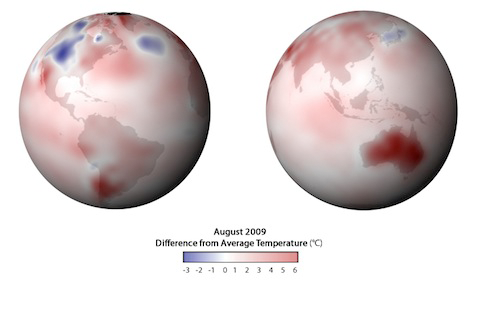
Global land and sea surface temperatures in August 2009 broke several records. The world’s ocean surface temperature was the warmest for any August on record.

Rhode Island's coasts are already feeling the impacts of rising seas. The Rhode Island Coastal Resources Management Council and Rhode Island Sea Grant are working with the legislature to explicitly address sea level rise and climate change in the state's building code.

NOAA Earth scientists discuss their roles and responsibilities in sharing what they know about the climate system with the public.

Climate scientists explain why they’re sure the primary cause of global climate change today is increasing human emission of greenhouse gases — mainly carbon dioxide.

Climate scientists discuss what they know about global climate change today, and how they know it.

Carbon dioxide is everywhere: in the air, rising from cracks in the ocean floor, and in your soda can. Now it's showing up in the news! Find out why carbon dioxide is such a hot topic, and why it's going to be around for a long, long time.