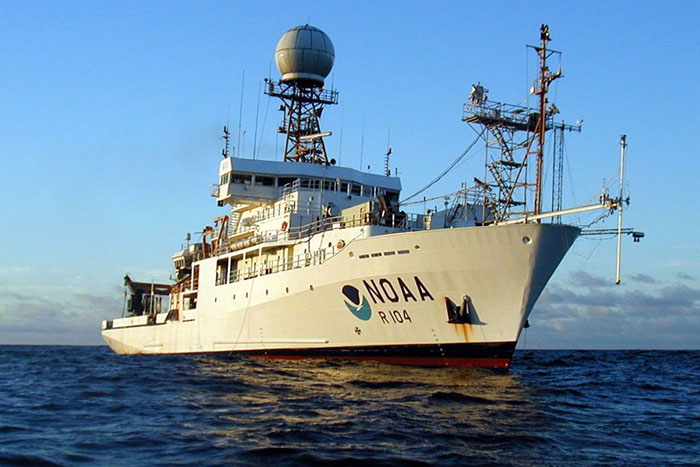
On March 6, a team of scientists on the NOAA Ship Ronald H. Brown departed from Suape, Brazil for a 55-day cruise to the northerly waters of Reykjavik, Iceland, with 150 planned stops along the cruise track.
On March 6, a team of scientists on the NOAA Ship Ronald H. Brown departed from Suape, Brazil for a 55-day cruise to the northerly waters of Reykjavik, Iceland, with 150 planned stops along the cruise track.

The first results of The Last Millennium Climate Reanalysis, a research project partly funded by CPO’s Climate Monitoring Program , were recently accepted for publication in the Journal of ...
The study may have large implications for the climate and weather forecasts made by ocean models in the future.
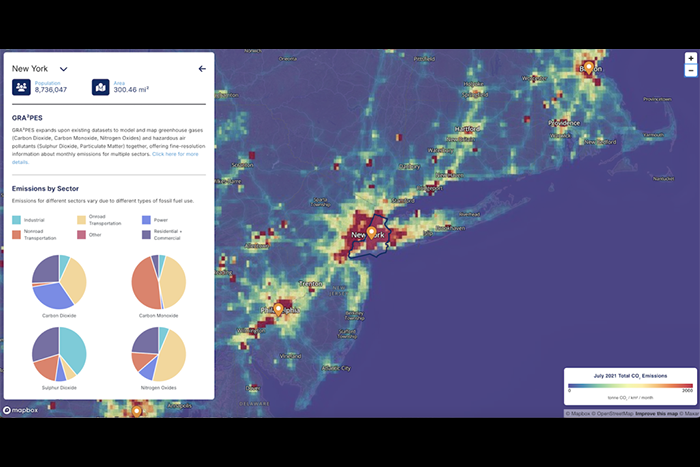
A new U.S.-based system to combine air quality and greenhouse gas pollution sources into a single national research database is now available in the U.S. Greenhouse Gas Center portal.
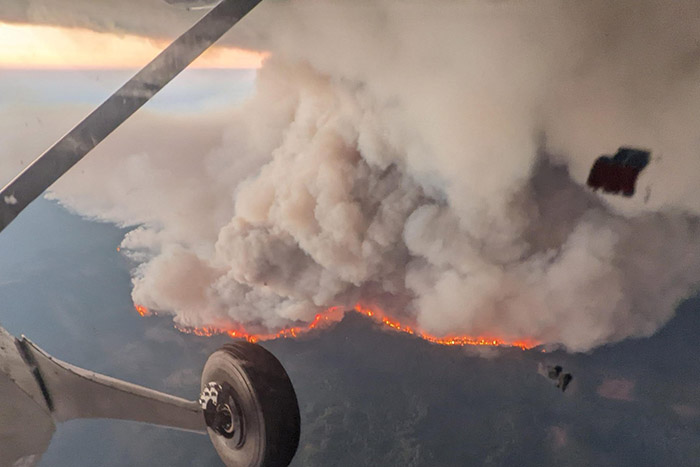
A new study shows it’s possible to collect measurements of fire and smoke chemistry, weather conditions, and smoke plume dynamics in real time around an active wildfire.
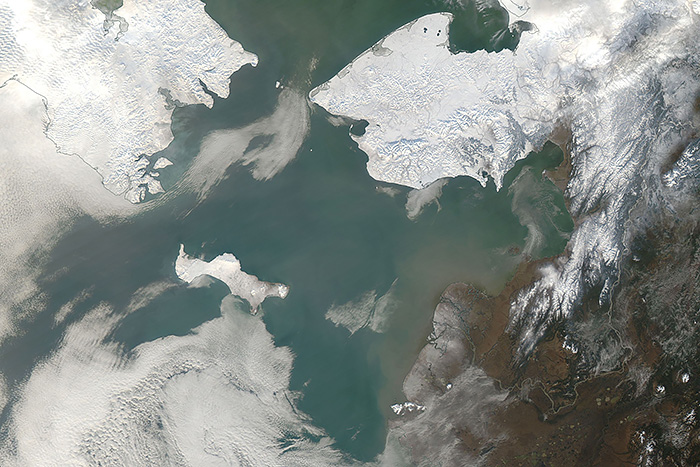
An annual survey is underway to provide fisheries and oceanographic data to support sustainable management of the fast-changing Bering Sea. These surveys help decision makers better understand the impacts of events such as sea ice loss.
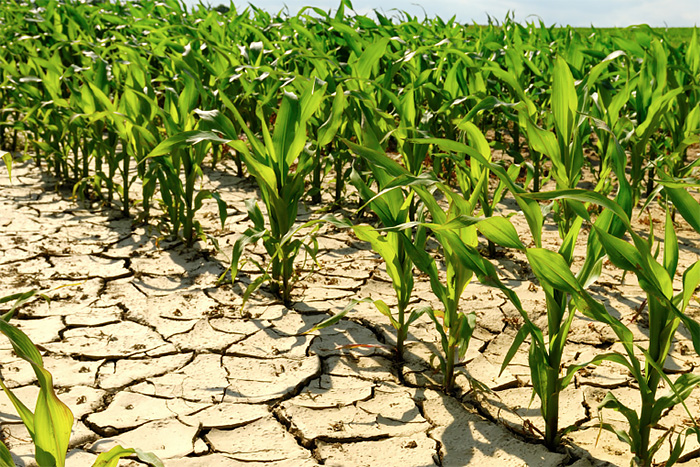
Extreme heat has implications for power grid infrastructure, food production and nutrition, childhood education, worker health and safety, and crime.
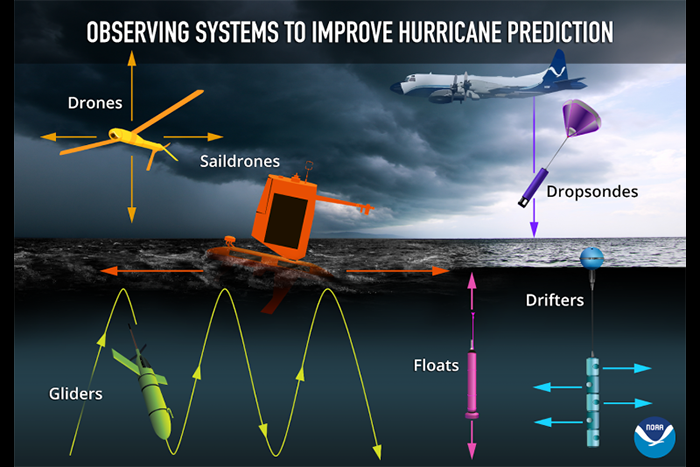
NOAA is improving hurricane forecasts in five ways: developing of NOAA’s next-generation tropical cyclone model, collocating ocean observing instruments, improving small uncrewed aircraft systems, developing new instruments, and flying aircraft further east to study how storms begin.
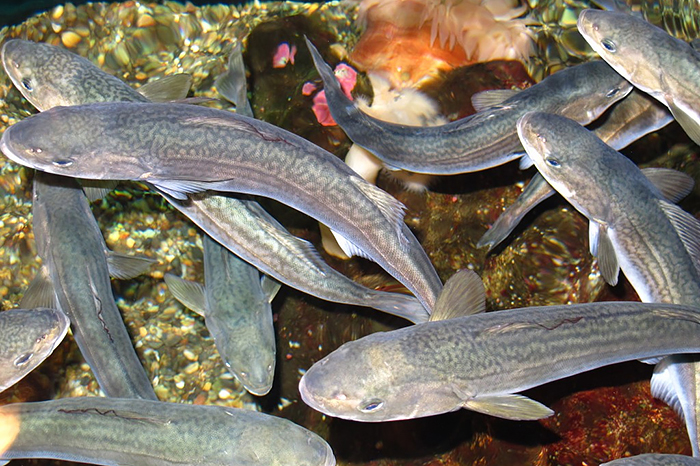
Benefits include improved wildfire forecasts, safer drinking water, better flood predictions, sea floor mapping, and healthier fisheries.