
Three papers funded by CPO's Climate Observation Division (a Review Article, Perspective, and Correspondence) appeared in the February Issue of Nature Climate Change addressing monitoring and ...
Three papers funded by CPO's Climate Observation Division (a Review Article, Perspective, and Correspondence) appeared in the February Issue of Nature Climate Change addressing monitoring and ...
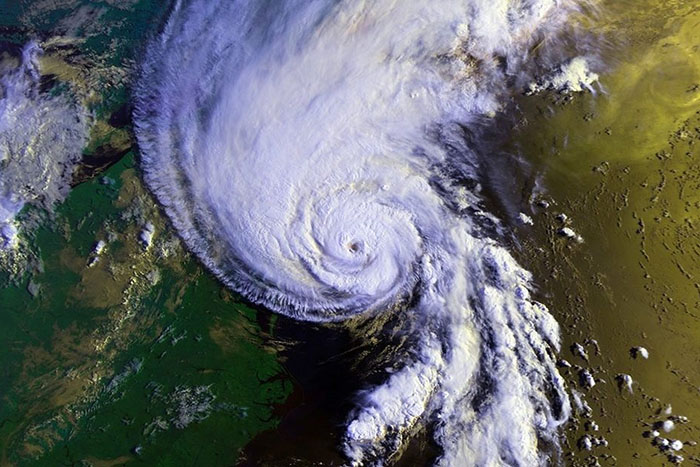
A new study finds improvements in how models simulate surface wind responses to sea surface temperature changes are key to enhancing prediction skill.
Modeling volcanic eruptions based on actual sulfur dioxide emissions, rather than preset assumptions, better matches historical cooling patterns recorded in tree rings.
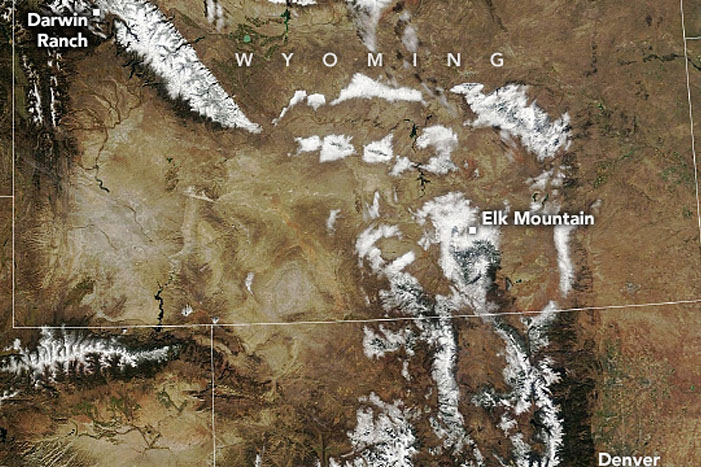
Weather forecasts struggle to predict how much snow will persist or melt. Scientists are addressing this challenge with a more advanced system that better accounts for factors like snow grain size, shape, and impurities like dust or soot.
A letter recently published in Nature Climate Change details work partially funded by the CPO overviewing a strong agreement in measurements of Earth’s energy imbalance by Argo Profiling Floats and …

Higher-resolution models don’t consistently improve accuracy of extreme rainfall predictions, a new study finds. A better approach may balance model resolution and model intricacies.

Nitrogen oxide is an air pollutant with health and environmental consequences, so researchers try to accurately gauge human-caused NOx emissions. Emission inventories and satellite observations have given different estimates of NOx. A new study shows the source of the discrepancy
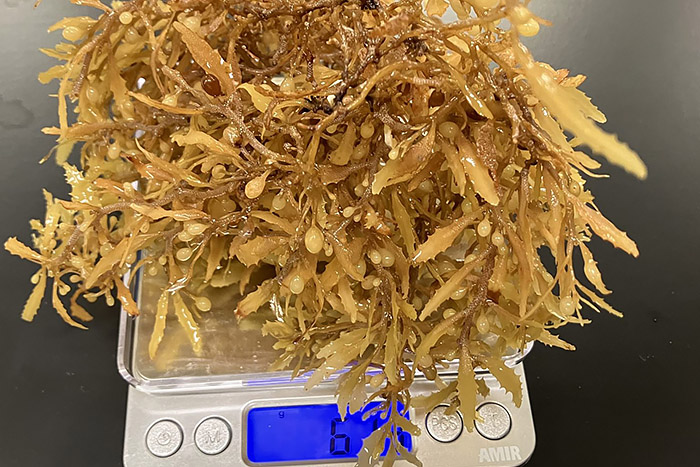
A new study compared wind data alongside Sargassum Inundation Risk (SIR) maps against citizen science reports from the coasts of Florida, Gulf of Mexico, Bahamas, and Caribbean regions. The study found that including shoreward wind velocity greatly improves the agreement with coastal observations of Sargassum beaching compared to SIR indicators alone.
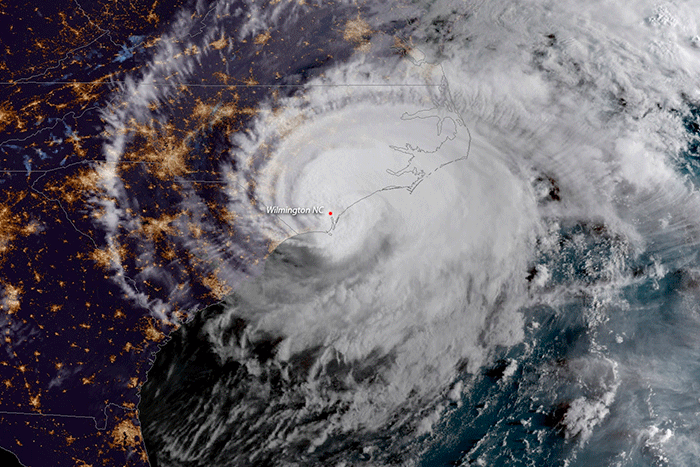
Tropical cyclones are still not fully understood at a fine level of detail. A newly published climate-model study demonstrates a better understanding of the processes of tropical cyclone formation, which will help to develop models and future projections.
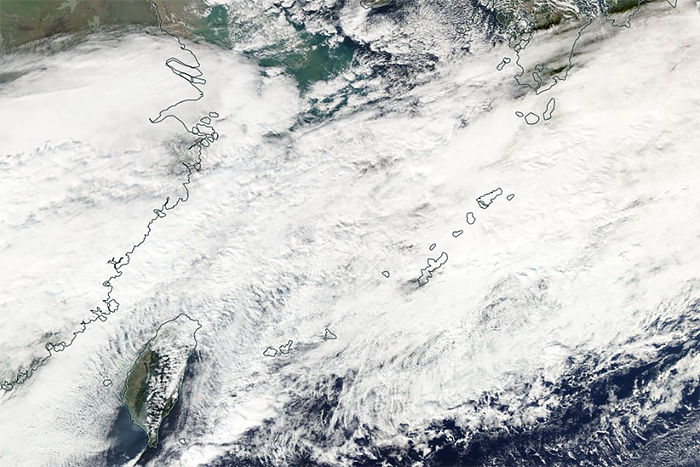
A new study examines how rising global temperatures may affect weather patterns in the region stretching from the east coasts of China and Taiwan, and Japan.