News & Features

NOAA’s hurricane gliders are heading to sea this week off the coasts of Puerto Rico, the Gulf of Mexico and the eastern U.S. to collect data that scientists will use to improve the accuracy of ...
Marine heatwaves across the world’s oceans can displace habitat for sea turtles, whales, and other marine life by 10s to thousands of kilometers. They dramatically shift these animals' ...
Marine heat waves across the world’s oceans can displace habitat for sea turtles, whales, and other marine life by 10s to thousands of kilometers. They dramatically shift these animals’ preferred ...
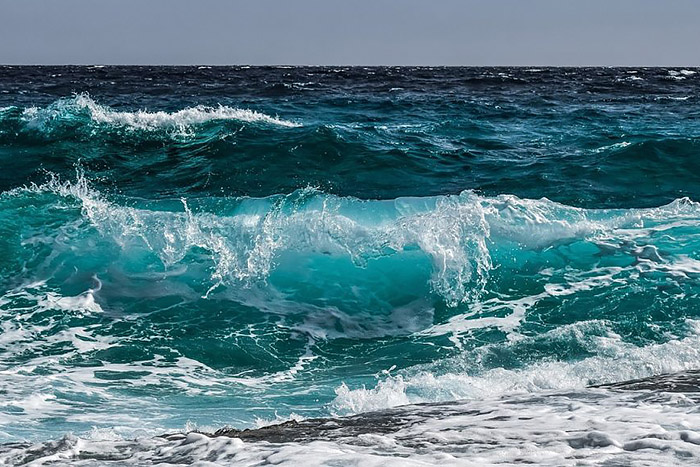
Between the Indian and Pacific Oceans, enhanced water mixing is causes colder sea surface temperatures. A new study finds sea surface temperatures are influenced on daily and seasonal timescales.
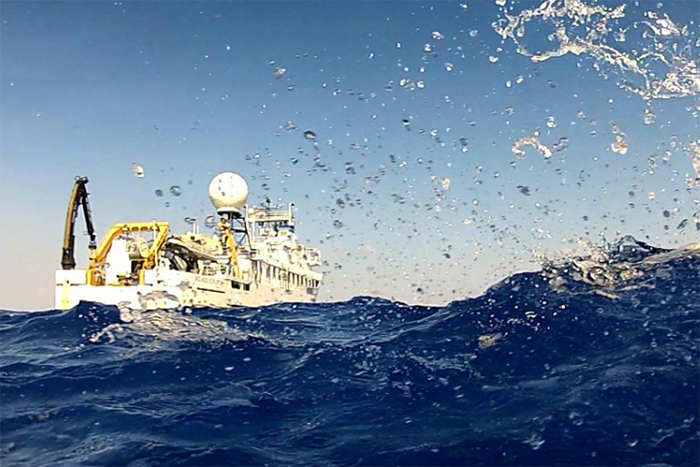
Our ocean and coasts are home to a diversity of life from the smallest single-celled plankton, to the largest animal on Earth, the blue whale. The ocean provides us with vital resources and plays a large role in the climate of our planet.
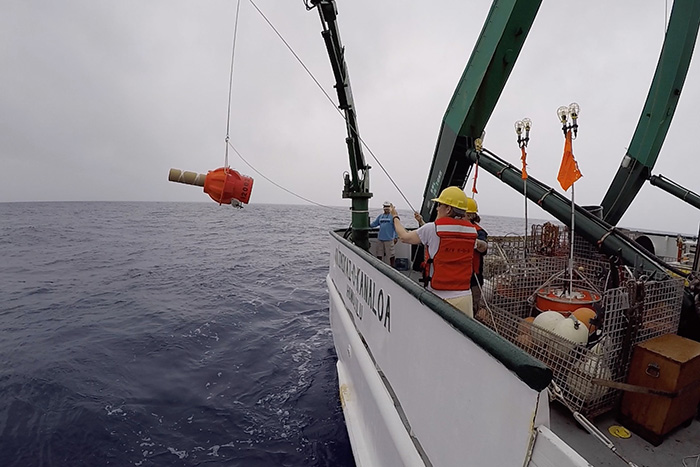
Observations from deep ocean robots and historic data from research vessels have heightened confidence that parts of the global deep ocean are warming at a rate of 0.0036–0.0072°F (0.002–0.004°C) each year.
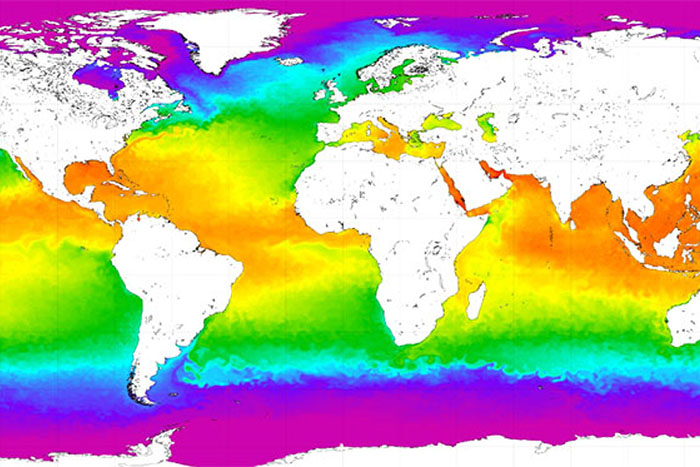
In the mid- and high latitudes, ocean currents drive most changes in sea surface temperatures over long periods of time, overpowering atmospheric influences by two to three times. In subtropical regions, atmospheric forces have more influence.
The ocean is the flywheel that propels the climate system, storing huge amounts of heat and carbon in a vast reservoir that covers 70 percent of Earth’s surface. Measuring changes in that heat ...