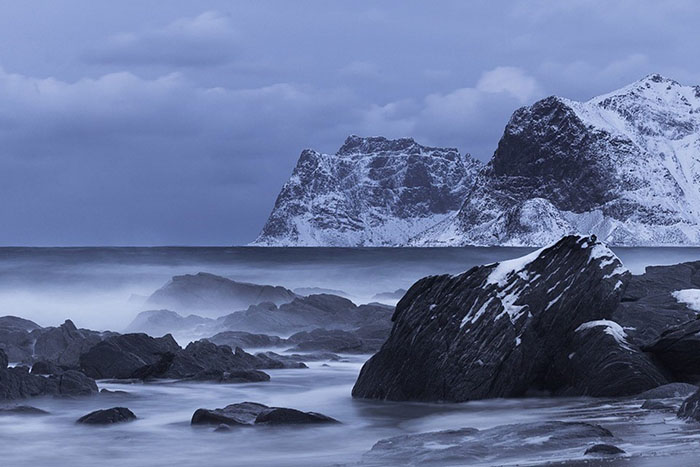
New research finds large-scale circulation shifts have helped increase atmospheric river activity, boosting summer moisture in the Arctic.
New research finds large-scale circulation shifts have helped increase atmospheric river activity, boosting summer moisture in the Arctic.
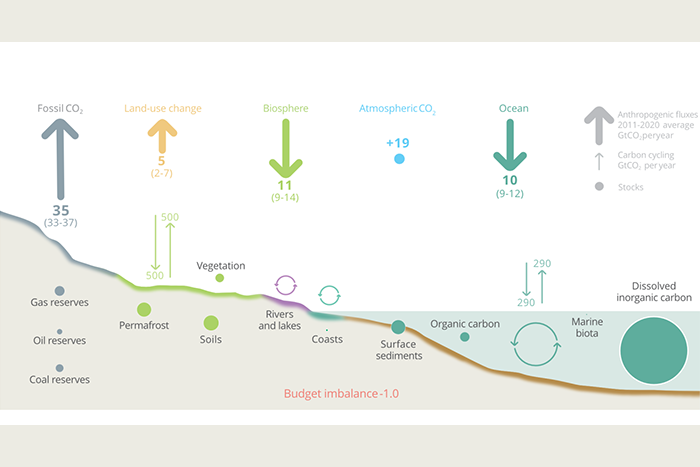
While carbon dioxide emissions of declining in some regions, they continue to rise overall. A new report indicates global action to reduce fossil fuel consumption is not happening fast enough to prevent dangerous impacts from climate change.
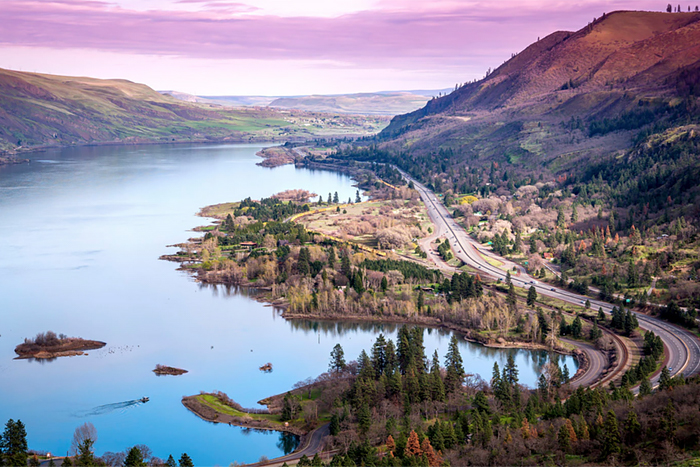
Researchers with the Pacific Northwest Climate Impacts Research Consortium (CIRC) have projected widespread increases in flood magnitude throughout the Columbia River Basin in a warmer climate. By 2050, much of the Pacific Northwest could experience increased flood magnitudes. The webinar associated with this study, recorded March 5, 2021, is now available online.
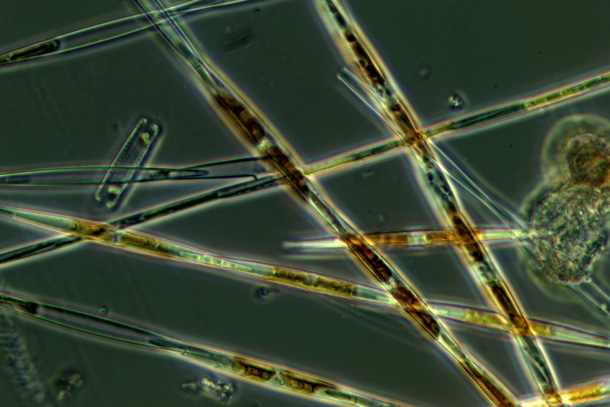
A record breaking algal bloom impacts sea life up and down the western coastline of North America.
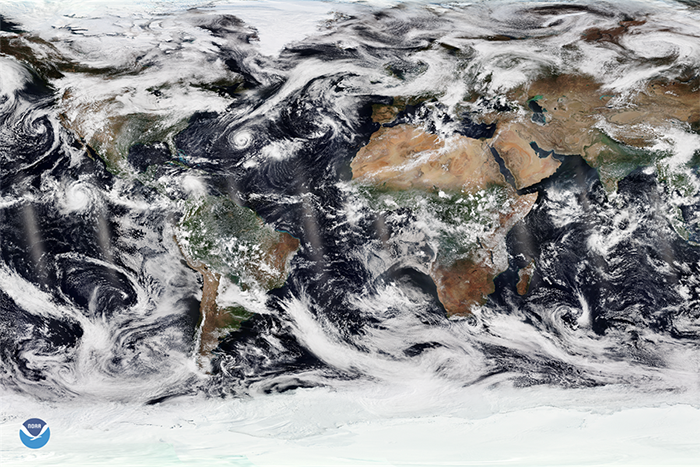
A new NOAA study finds that reducing particulate air pollution in Europe and North America has contributed to an increase in the number of tropical cyclones in the North Atlantic basin, and a decrease in the number of these storms in the Southern Hemisphere.
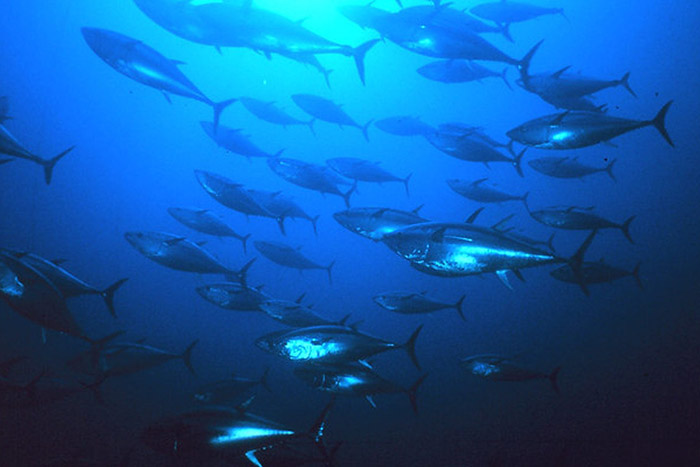
Along the west coast of the U.S., the dynamic and very biodiverse California Current System (CCS) supports a variety of fisheries and marine services. A new study improves accuracy in predicting future CCS conditions.
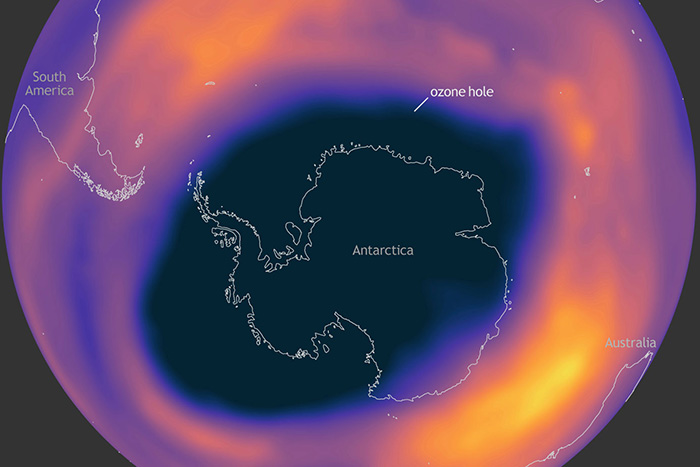
Recent research has suggested possible ozone recovery in the upper stratosphere and decreasing ozone in the lower stratosphere. A new study supports a declining ozone trend in the lower stratosphere but no ozone “recovery” in the upper stratosphere.

Grants are intended to support island communities with broad efforts to build climate resilience and advance sustainable development goals.