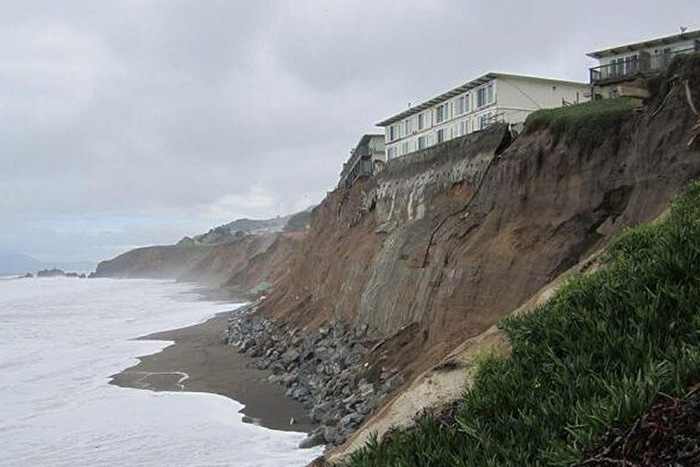
Recurring sea level patterns to show it’s possible to predict large-scale sea level patterns and even anticipate coastal variations up to 8 years in advance.
Recurring sea level patterns to show it’s possible to predict large-scale sea level patterns and even anticipate coastal variations up to 8 years in advance.

Closer examination to impacts across space and time will help public health officials identify and communicate to the most vulnerable communities as smoke plumes spread.
Editor's note: AGU released the following story by science writer Rachel Fritts on October 13, 2020 on NOAA-led research. New research reveals temperatures in the deep sea ...
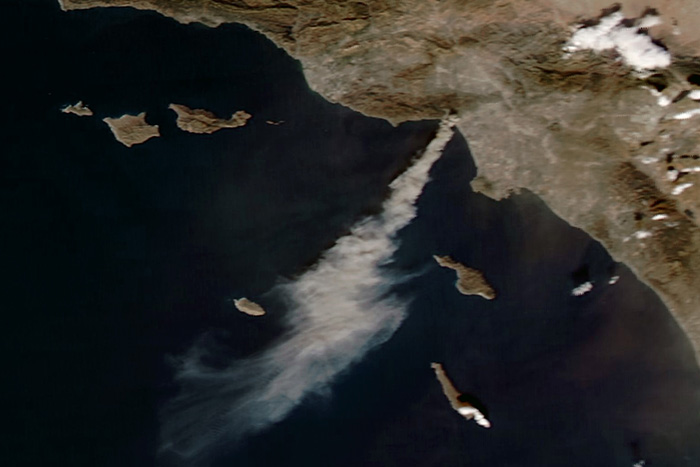
As the Los Angeles area faces severe wildland-urban interface fires, scientists are racing to understand the complex mix of pollutants from burning homes, vehicles, and infrastructure that remains largely unknown.
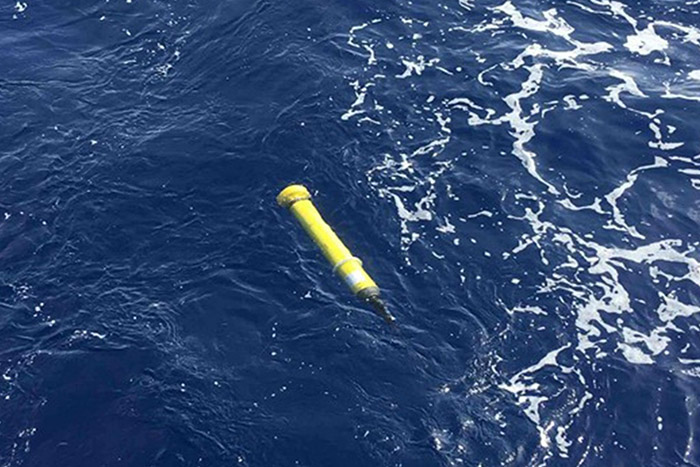
The Atlantic Meridional Overturning Circulation (AMOC) shapes climate, weather, and marine life. A cost-effective method can estimate the AMOC at a 22.5°S, a critical location at the edges of the South Atlantic subtropical gyre.
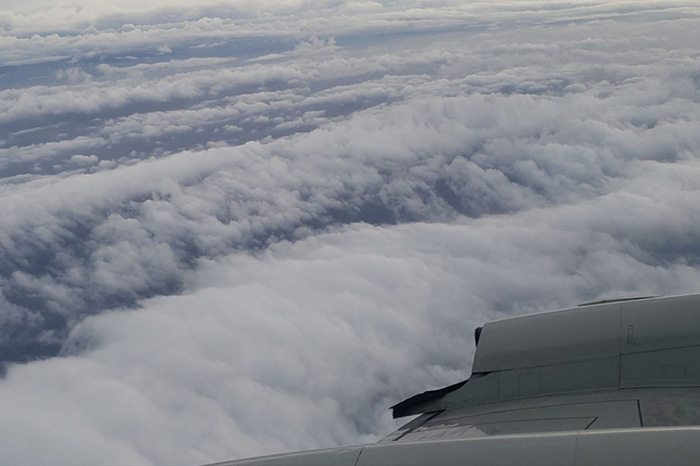
After a year and a half of coordination and planning, the Hurricane and Ocean Testbed (HOT) has been successfully launched in the newly designed William M. Lapenta Laboratory. This testbed establishes a physical and virtual collaboration space for researchers and forecasters.
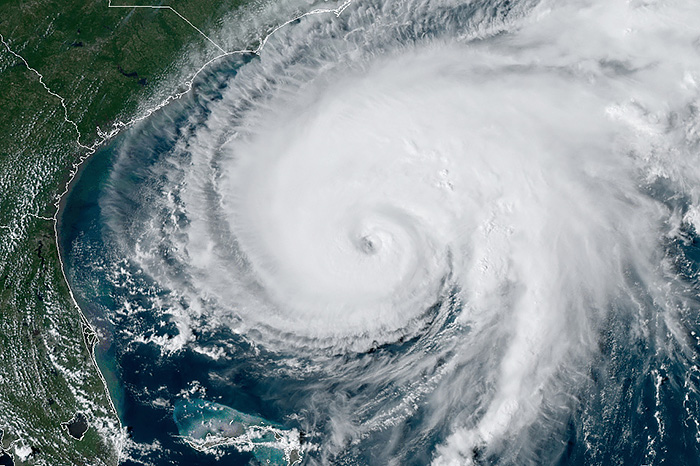
A new study finds that global warming contributed to a 13-percent decline in tropical cyclones worldwide over the 20th century. The North Atlantic bucked this trend, though. More frequent North Atlantic hurricanes could be caused by decreasing human-caused aerosols.
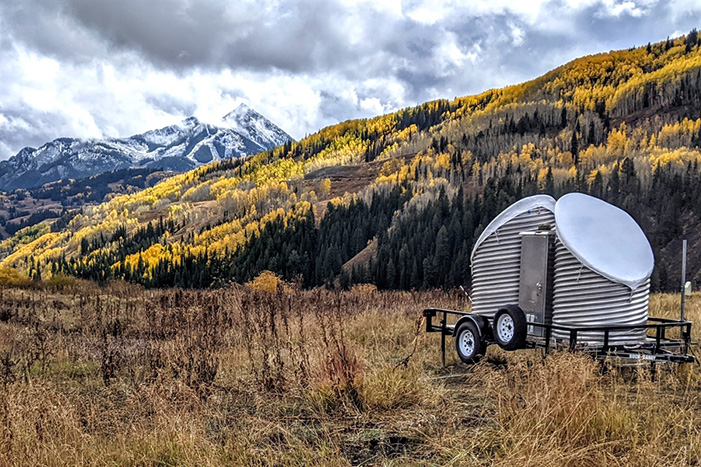
NOAA scientists have installed a state-of-the-art observing network in a remote basin near Crested Butte to study how precipitation forms in complex, high-altitude terrain. Their goal: improving weather and river flow prediction in a watershed critical to the region’s water supply
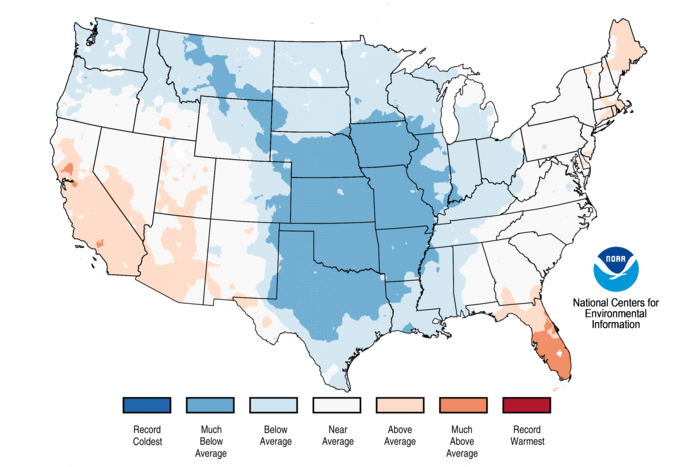
Accelerated Arctic warming may drive extreme winter weather in the United States, according to new research.
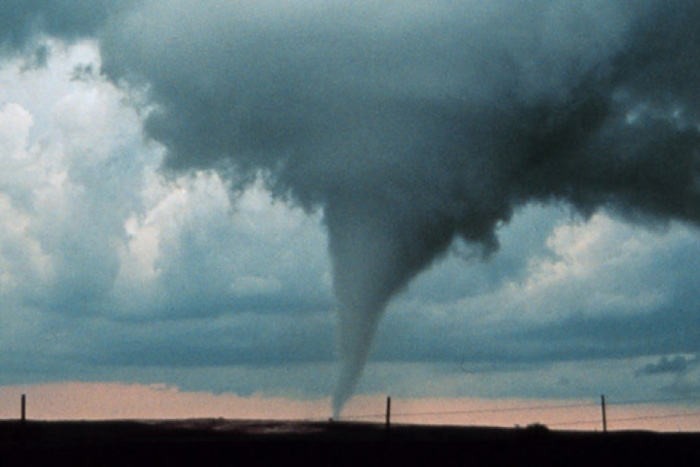
Tornados, like most weather phenomena, are hard to predict more than several days in advance. By focusing on active tornado seasons that may be linked to climate signals, researchers at NOAA’s Atlantic Oceanographic and Meteorological Laboratory have made a small but important step in seasonal tornado that shows promise in predicting active seasons up to two months in advance.