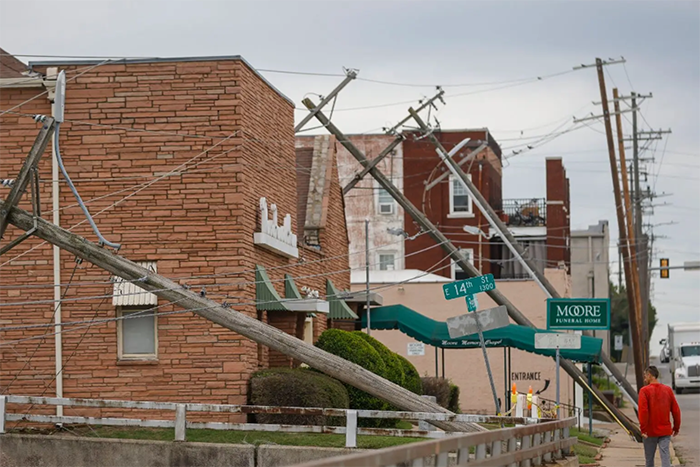
Field work in Tulsa, Oklahoma, made several findings, including residents’ concerns about climate hazards combined with distrust of government, and a local government grappling with multiple environmental issues.
Field work in Tulsa, Oklahoma, made several findings, including residents’ concerns about climate hazards combined with distrust of government, and a local government grappling with multiple environmental issues.
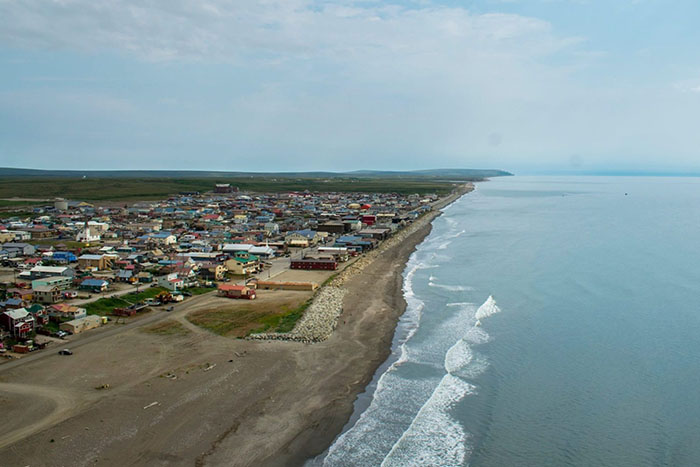
New resources can help researchers, academics, and federal and state agencies working in rural Alaska understand the current landscape and complexities of Tribal communities.
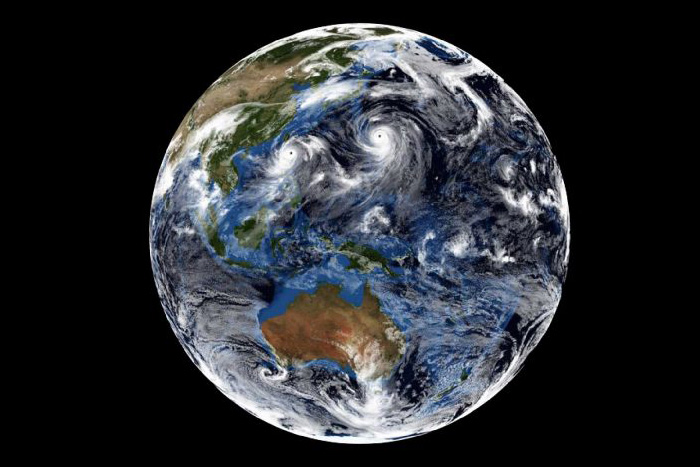
In celebration of Earth Month, GFDL shares how the lab is investing to meet weather and climate goals through some of its advanced global models: CM4, SPEAR, ESM4, and SHiELD. These models enhance our comprehension of the Earth system.

By addressing the vulnerability of structures to extreme snow loads, a new study aims to revolutionize design standards outlined by the American Society of Civil Engineers, an integral part of building codes in the United States.

A study published on Nature Climate Change reports that natural variability could be responsible for up to 50 percent of the September Arctic sea ice decline since 1979. The findings of the study do…
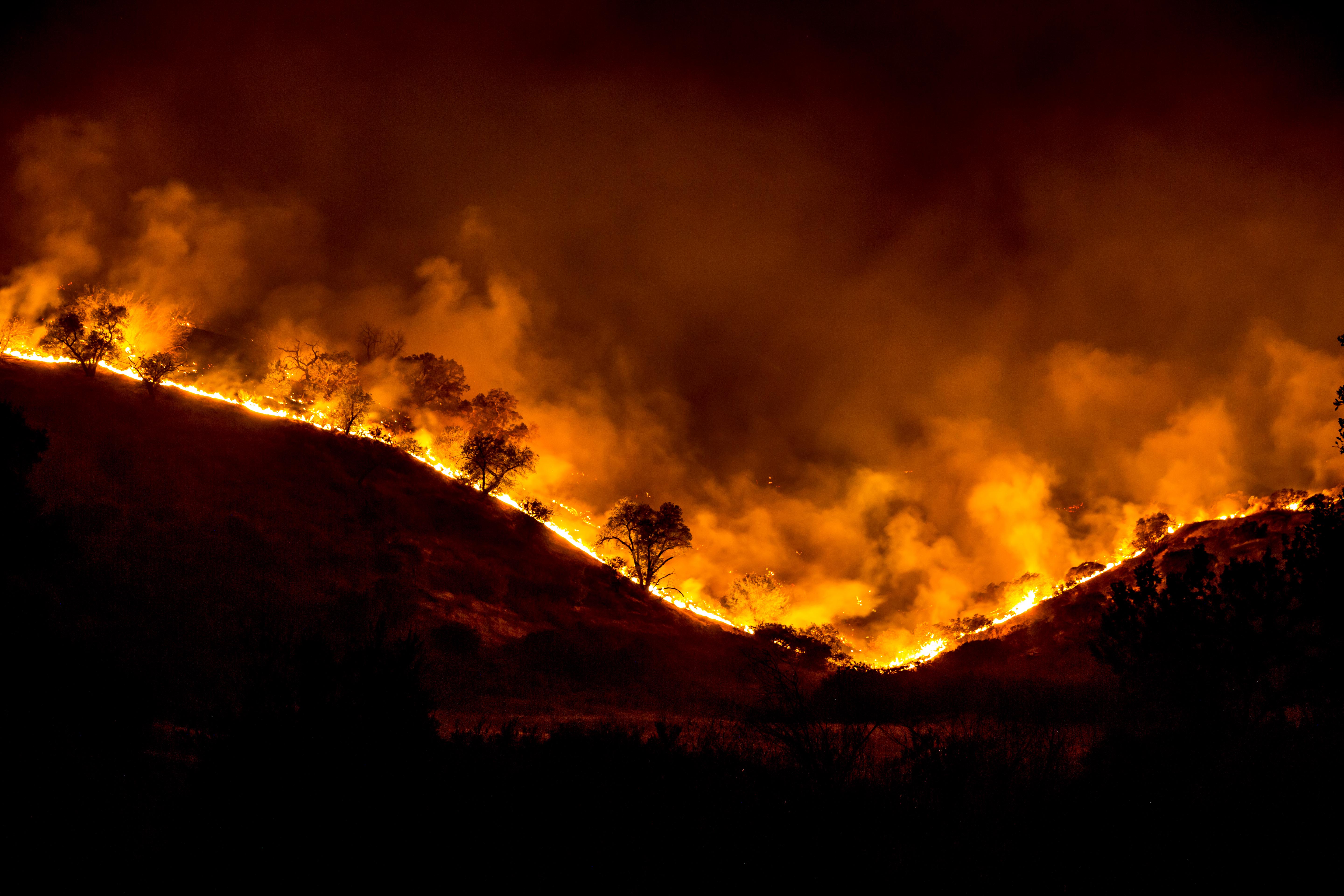
A new modeling study shows that the emission inventories underestimate volatile organic compound emissions from wildfires when compared to aircraft observations by a factor of 3 to 7.
A new study that uses satellite data to analyze gases emitted from wildfires with the aim of enhancing understanding of wildfire emissions beyond current forecasts.
A paper explaining CPO-supported research with underwater Spray gliders appeared in Geophysical Research Letters. Spray gliders provide high-resolution observations along the U.S. East Coast, ...
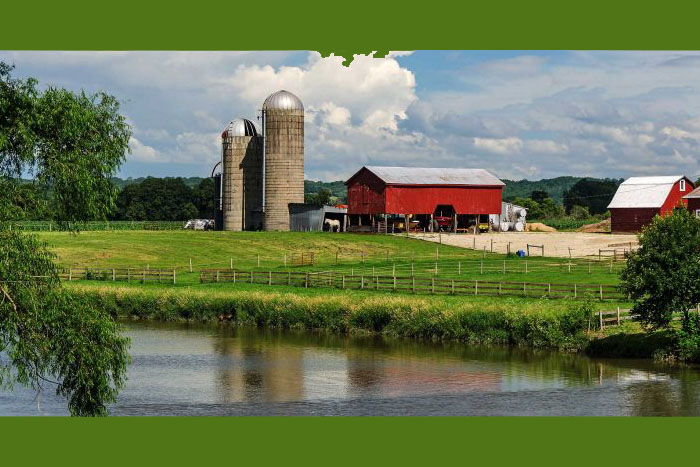
Nitrogen fertilizer usage has helped feed nearly half the global population. But nitrogen emissions to the atmosphere have contributed to acid rain, air pollution, stratospheric ozone depletion, and the radiative forcing underlying climate change.
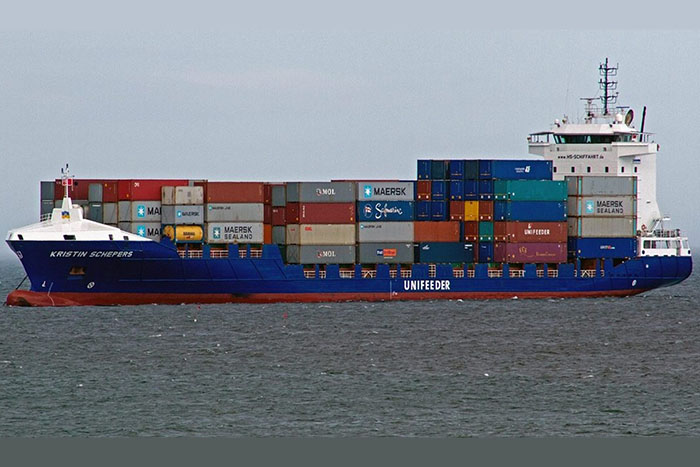
New international shipping regulations have drastically cut sulfur emissions from ships. While crucial for improving air quality and public health, reducing ship tracks also reduces their cooling effects.