
Did you miss last month's learning sessions about tools and information available on the Water Resources Dashboard? We've got you covered: see below for recordings and check out our Water Resources…
Did you miss last month's learning sessions about tools and information available on the Water Resources Dashboard? We've got you covered: see below for recordings and check out our Water Resources…
Did you miss last month's learning sessions about tools and information available on the Water Resources Dashboard? We've got you covered: see below for recordings and check out our Water Resources…
All regions and economic sectors in the United States depend on adequate and reliable water supplies. Too much or too little water can endanger the health and welfare of citizens and businesses. ...
Dr. Ashley Ward (Carolinas RISA) discussed the relationship between high heat days and preterm births in North Carolina.
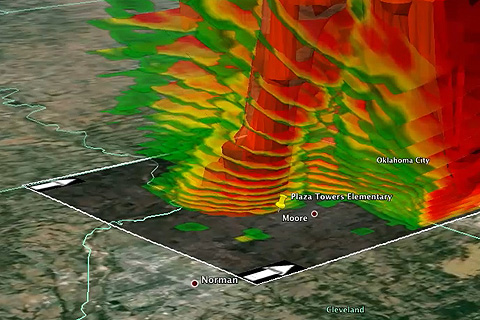
(VIDEO) Visualizing data makes it easier to understand exactly how an extreme weather event affected people’s lives, livelihoods, and property and how those things could be affected in the future. Knowing how to access and analyze the wide variety of datasets needed to study those events can be a challenge, however. NOAA's Weather and Climate Toolkit makes the job easier.
Wherever you live in the United States, there’s a National Weather Service (NWS) forecast office near you. With over 160 local, regional, and national offices across the country, NWS experts are not…
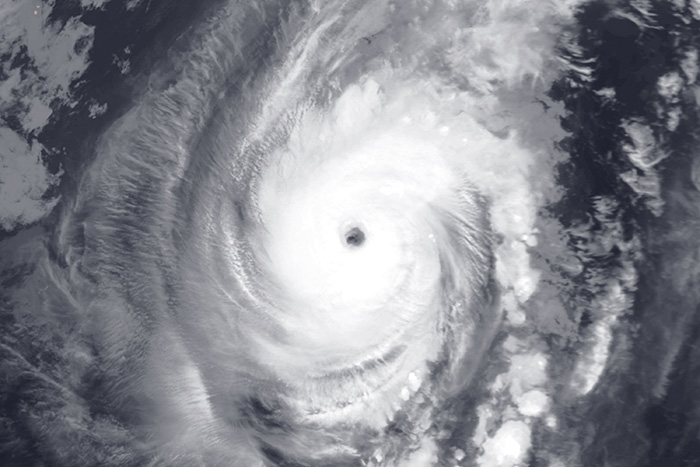
A new study, based on 2007 Super Typhoon Yutu, finds that warming temperatures at Earth’s surface and within the storm itself affect storm intensification.
The North Carolina Department of Health and Human Services is hosting the Quarterly Webinar for Epidemiology Public Health Preparedness and Response on October 27 at 12 PM EDT . Ashley Ward from ...
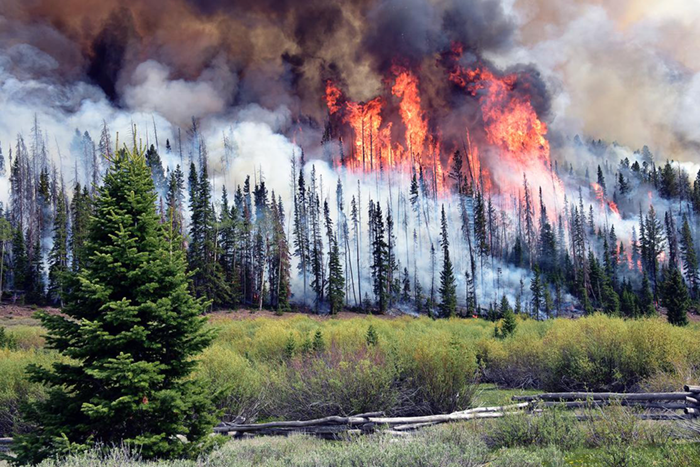
Wildfires emit short-lived, nitrogen-containing gases that can contribute to air-quality issues. Modeling these gases has been difficult because their chemical reactions are rapid and spatially dispersed. A new field campaign studies the reactions to improve models.
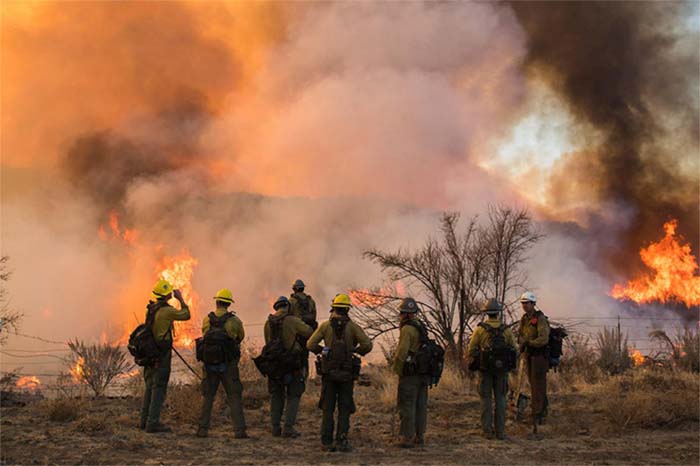
A new study using data from a NOAA-supported field campaign has found that nearly one-fifth of the wildland firefighters in that campaign had smoke exposure above the recommended occupational exposure limit.