
Winter? For some regions of the country it was as if it never happened at all.
Winter? For some regions of the country it was as if it never happened at all.
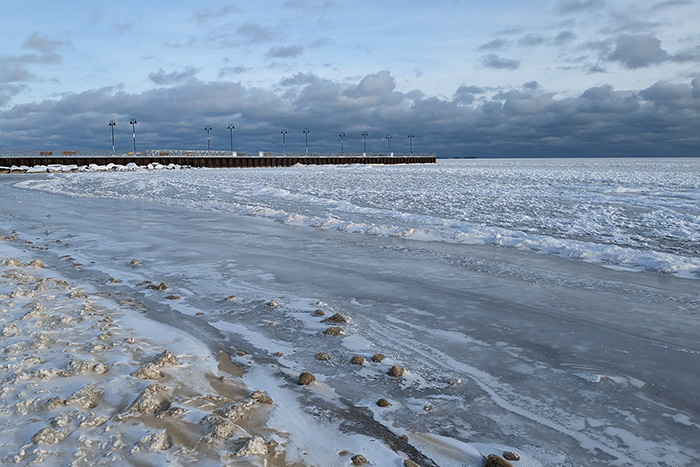
A deep look at the water in the Great Lakes shows that winters are about 14 days shorter than they were in 1995. This finding marks the first use of subsurface temperature readings to determine how climate change may affect seasons in and around the Great Lakes.
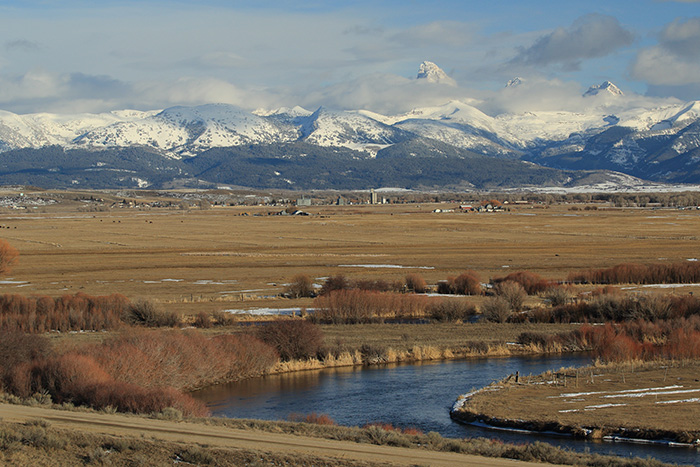
A slowly-developing La Niña is favored to influence conditions most of the United States from December 2024 through February 2025.
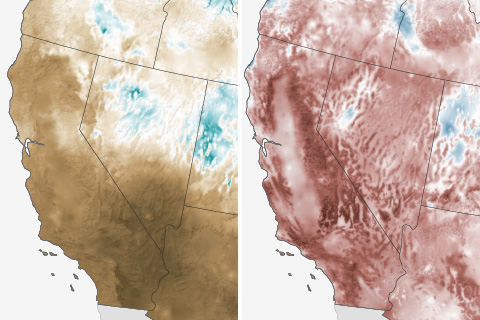
A few storms found their way to the drought-stricken California coast late this winter, but they barely made a dent in the state's huge water deficits. As the North Pacific winter storm season recedes, there is little likelihood for substantial drought recovery.
I n honor of Women's History Month, NOAA is highlighting a few of its female scientists and funded researchers who are making significant strides in the climate sciences and other science fields. …
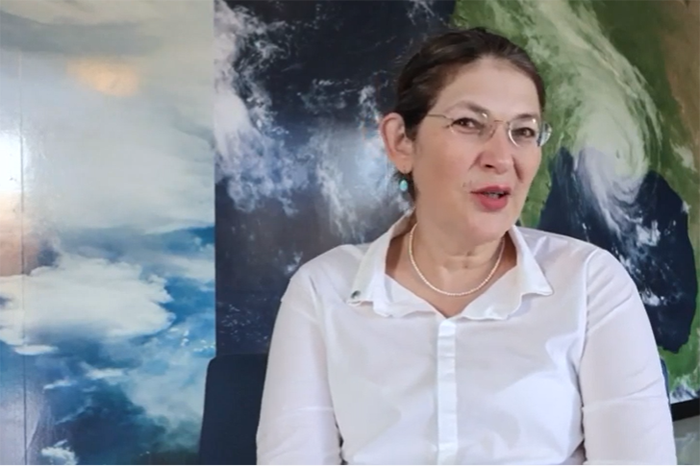
For women’s history month, NOAA focuses a spotlight on climate modeler Elena Shevliakova.
A report of the Sustainable Urban Coasts in the Urban Northeast workshop, hosted in October 2014 at Stevens Institute of Technology in Hoboken, New Jersey, was published online by Local Environment…
November 30 marked the official end to the 2022 Atlantic hurricane season. This year, NOAA’s AOML coordinated the longest series of missions into a single tropical system, deployed new uncrewed aircraft technology, and included a novel capability in hurricane modeling.