News & Features

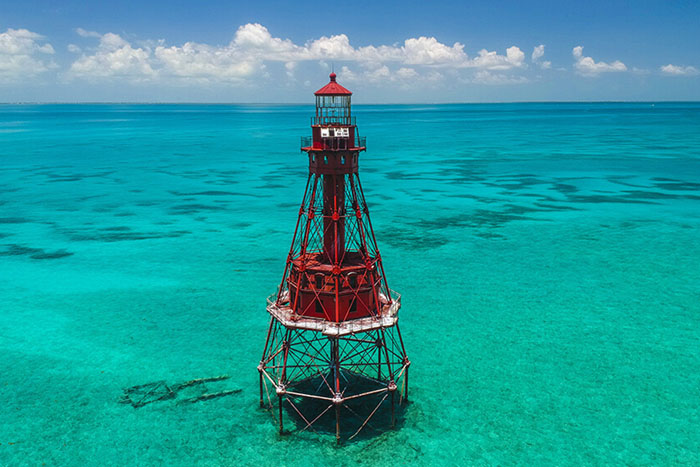
On June 21, 2021, Ben DeAngelo, CPO Deputy Director, and Billy Sweet, Oceanographer with NOAA’s National Ocean Service (NOS), presented to Florida Keys officials. The presentation discussed the causes and impacts of climate change, and covered sea level rise science, projections, and risk management.
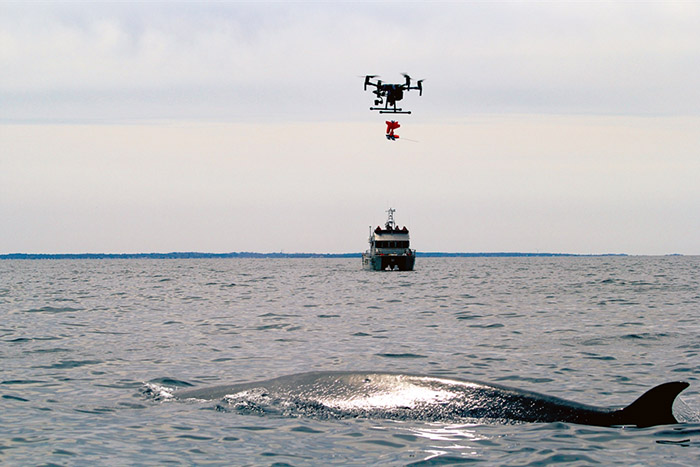
The newly released report includes more than 60 stories about NOAA’s 2022 research and development accomplishments across NOAA’s mission. Accomplishments including improvements in air-quality, storm-surge, and wind forecasts.
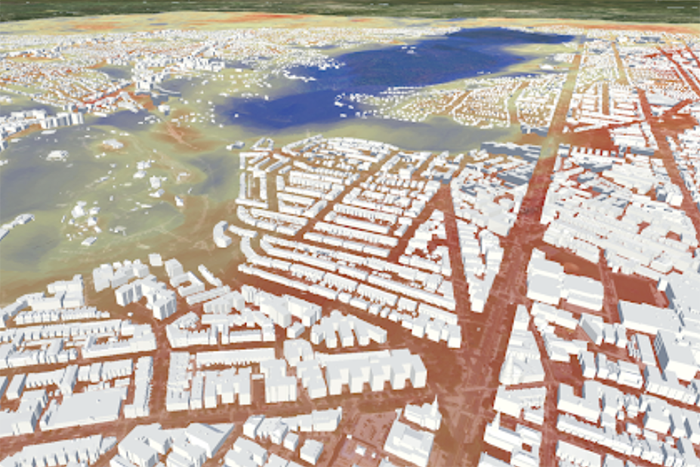
The US Center at COP27 will feature a virtual reality experience developed in part by NOAA’s Science on a Sphere.
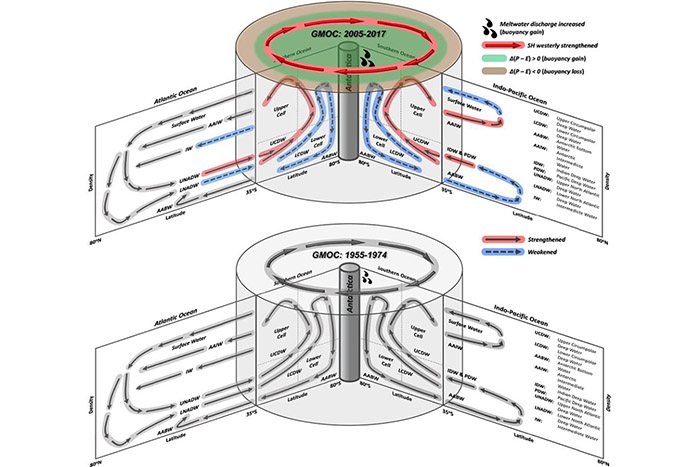
The Global Meridional Overturning Circulation (GMOC), commonly known as the global ocean conveyor belt, has changed significantly in the Southern Ocean since the mid-1970s. A new study finds a broadening and strengthening of the upper overturning cell and a contraction and weakening of the lower cell.
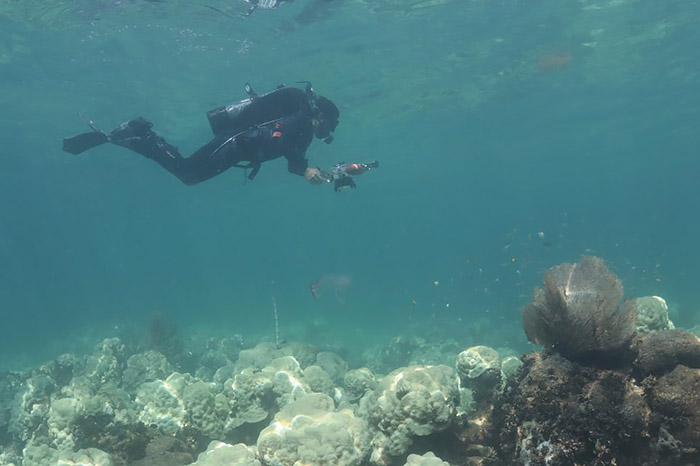
Concern over the ongoing marine heat wave across South Florida and the surrounding region led NOAA scientists to check on Cheeca Rocks, an inshore reef within the Florida Keys National Marine Sanctuary. Scientists visited on July 31 and August 1, 2023, and what they found was bleak.
Scientists at NOAA’s Geophysical Fluid Dynamics Laboratory are tapping into machine learning to better understand the impacts of climate change on our oceans and atmosphere.
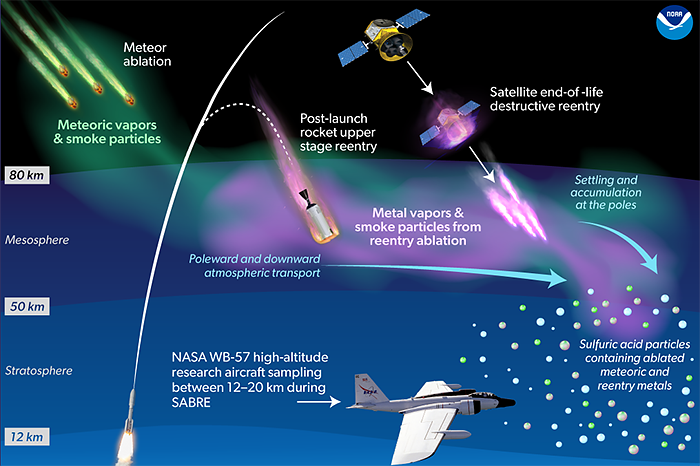
Besides meteoric “space dust,” the atmosphere more than seven miles above Earth’s surface is peppered with particles containing metals from satellites and spent rocket boosters vaporized by the intense heat of reentry.